Sixty per cent of alcohol sold in Kenya is illicit, with the amount increasing by 27 per cent since 2022, according to a study by Euromonitor International.
The study by the firm, which provides global business intelligence, market analysis and consumer insights, shows the illicit alcohol market continues to grow in volume and value, with that of illicit trade surpassing the legal market in the past two years.
Illicit alcohol generally refers to alcohol that is produced, distributed or sold in violation of regulations, including production and taxes, while illegal alcohol on the other hand specifically refers to alcohol that is prohibited by law, meaning it is against the law to produce, distribute, or sell.
The study commissioned by the Alcoholic Beverages Association of Kenya (ABAK) established that the government is losing Sh120 billion annually in foregone taxes, mostly because of homemade brews and illegally made spirits.
The fiscal loss which has grown 68 per cent is mostly due to the artisanal brewing and illicit manufacturing of spirits mainly in Nairobi.
Homemade brews like muratina and chang’aa make up most of the 60 per cent illicit alcohol people drink but the real money in the illegal alcohol trade comes from smuggling, counterfeit brands and tax cheating, according to the firm.
Most of the money lost by the government is because of tax leakage, about Sh73 billion, followed by counterfeit and fake brands, which cost an estimated Sh64 billion.
The study derived from product information from 50 different outlets across the country, store visits, interviews with staff and supply chain players, and online survey for 1,008 consumers, has established that higher alcohol taxes are pushing more people toward cheaper, illegal options.
“The illegal options are powered by the smuggling of ethanol, which has increased, and the study also found that losses from smuggling alone have doubled since 2022,” ABAK chairman Eric Githua said.
The smuggling of ethanol increased, with the tax loss related to smuggling increasing by 144 per cent since 2022.
Githua said the study calls for a collaborative effort to help tackle the menace of illicit alcohol in the country.
“Our aim when we commissioned this study is to help the government understand the size of the problem, comparing it to the 2023 study, as well as identify ways to combat this issue,” he said.
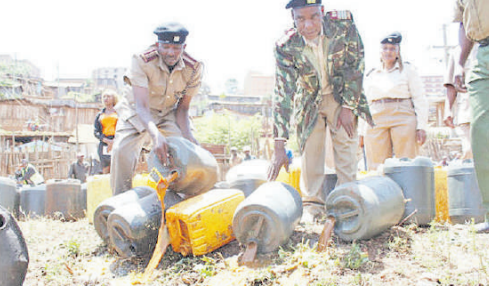
The study was carried out to establish the prevalence of illicit alcohol in the country, which has over the years continued to claim lives and maim consumers as the Government struggles to contain the menace.
Because of the clandestine and informal nature of the illicit alcohol trade, it is difficult to obtain official data, and government agencies often lack accurate statistics because such activities are unregulated unreported, and frequently operate outside legal frameworks.
Illicit alcohol continues to be widespread, impacting spirits, beer and wine.
While counterfeit and contraband alcohol are key types of illicit alcohol, artisanal brews such as Busaa and Changaa are much more widely available and are increasingly produced on a commercial scale.
Industry PS Juma Mukhwana said the study establishes a good foundation for generating the policies and actions necessary to curb the production and sale of illicit liquor.
“As we seek to eliminate illicit alcohol, we must learn from studies such as this one to create strategies and tactics that maintain the sanctity of best manufacturing practices in the industry. As a government, we are keen on supporting such efforts to create an enabling environment for manufacturers to thrive,’’ Mukhwana said.
The study also established that while consumers know what makes alcohol illegal, like when it is smuggled or fake, and they understand the risks, many of them still buy and sell illegal alcohol, and in many communities, it is seen as normal and socially acceptable.
Consumers are motivated to buy illicit alcohol because of its lower prices, accessibility through informal channels like street vendors and residential homes, and the desire for premium brands at lower costs, according to the study.
“The prevalence of illicit alcohol is driven by high excise taxes on legal alcohol, affordability and accessibility, weak enforcement and corruption, and the cultural acceptance of homemade brews,” the report states.
To combat illicit alcohol, the study recommends three tactics: tighten ethanol regulations and harmonise excise duties regionally, increase consumer awareness through social media and public campaigns, and strengthen enforcement mechanisms and penalties.