
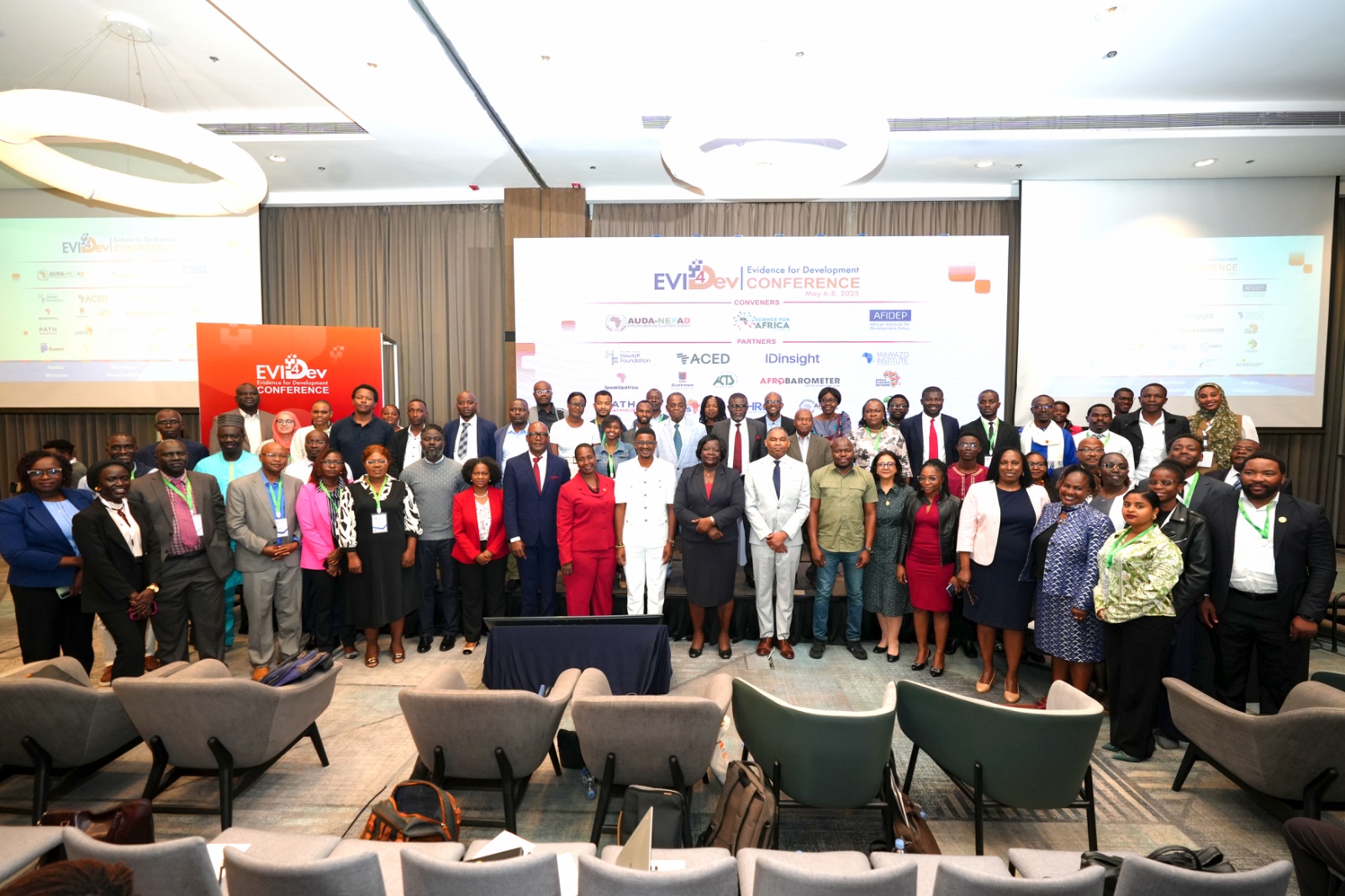
A high-level conference aimed at bolstering science, technology, innovation (STI), and evidence-based policymaking for Africa’s development kicked off today in Nairobi, bringing together over 300 delegates from more than 25 countries across the continent.
Held under the theme “Optimising the Role of Data, Evidence, and Innovations in Africa’s Efforts to Create Wealth, Empower Citizens, and Foster Responsive Governance,” the conference aims to strengthen the continent’s knowledge ecosystems in line with the AU’s Agenda 2063 and the global Sustainable Development Goals (SDGs).
Kenya’s Cabinet Secretary for Education, Julius Migos Ogamba, in remarks delivered by Dr Roselida Owuor of the Ministry of Education, stressed the need for aligning Africa’s education systems with the continent’s scientific ambitions.
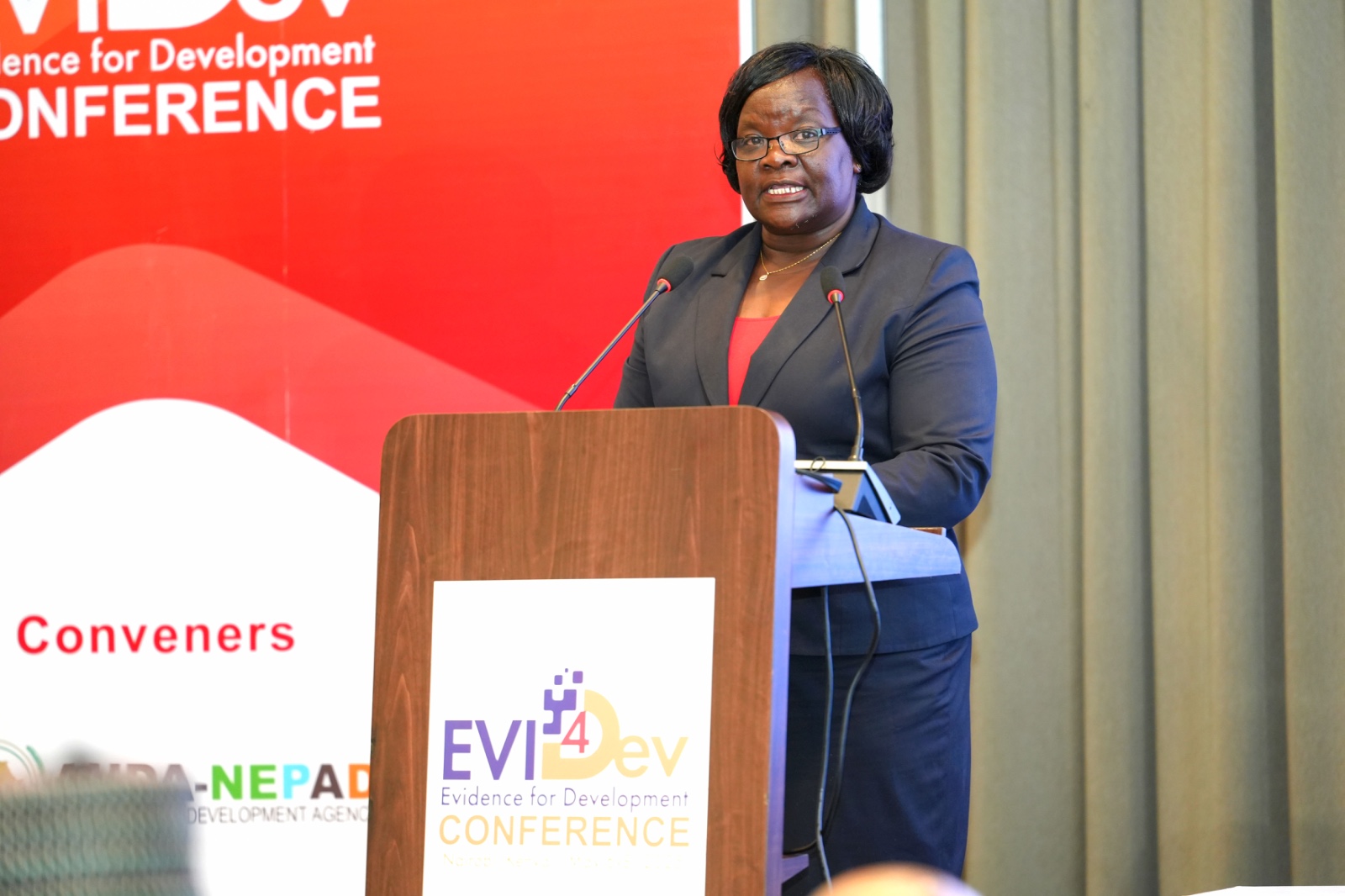
“Data, evidence, and innovation are not mere buzzwords. They are lights for sustainable development which allow us to identify challenges, inform decisions, and allocate resources effectively,” he said, warning that inadequate investment and poor data quality continue to hinder progress.
Malawi’s Minister of Higher Education, Dr Jessie Kabwila, echoed the call for stronger investment in research and academic institutions, noting Africa’s low tertiary enrolment rate and underfunded research sector.
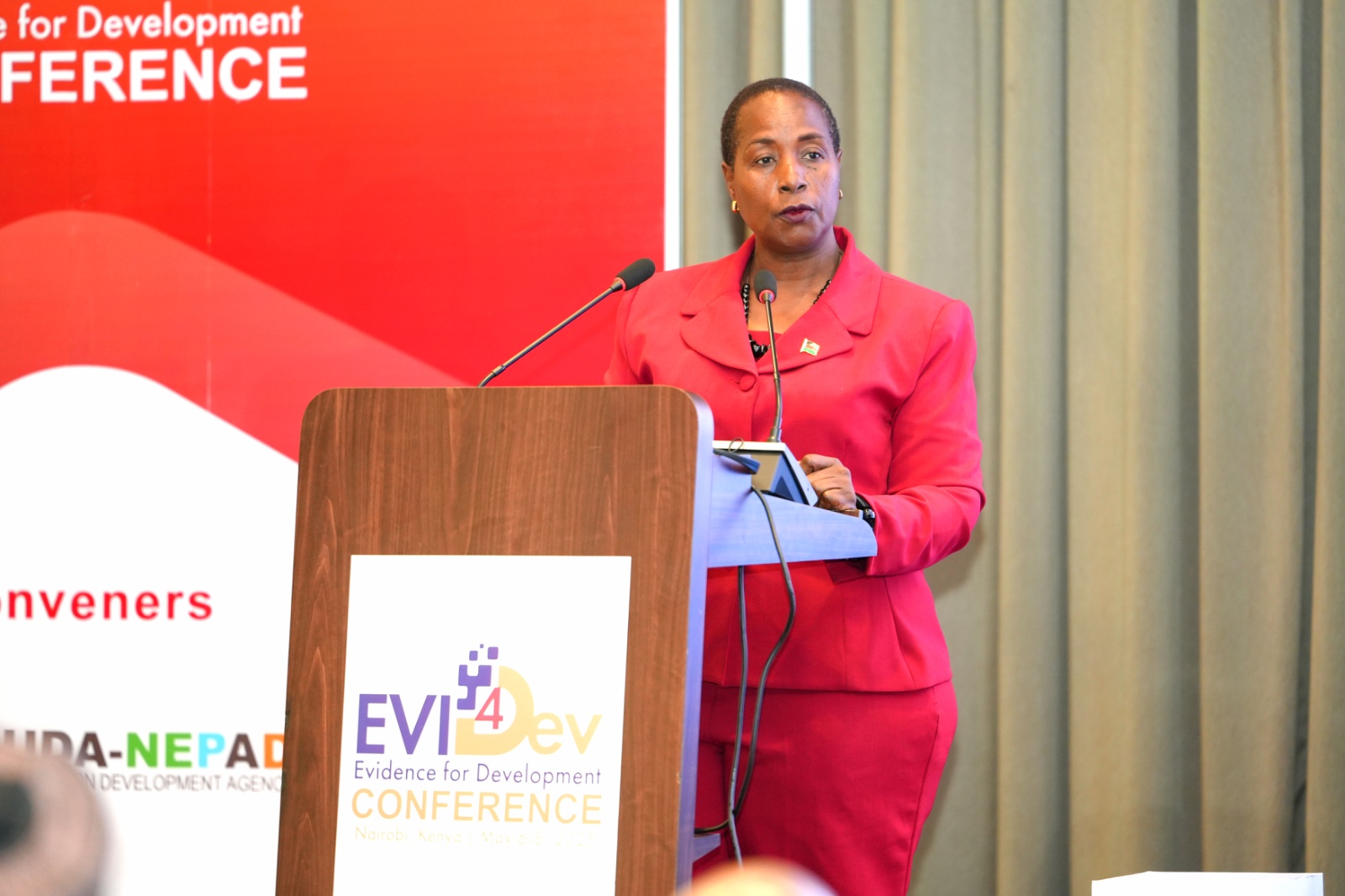
“Africa invests around 0.5% of its GDP in research and development, compared to the global average of 2.2%,” she said.
AFIDEP Executive Director Dr Eliya Zulu highlighted the cost of inefficiencies and corruption on the continent, citing an annual loss of over $140 billion.
“Evidence can and should help us trace these leakages, identify systemic weaknesses, and design better safeguards for public resources,” he said.
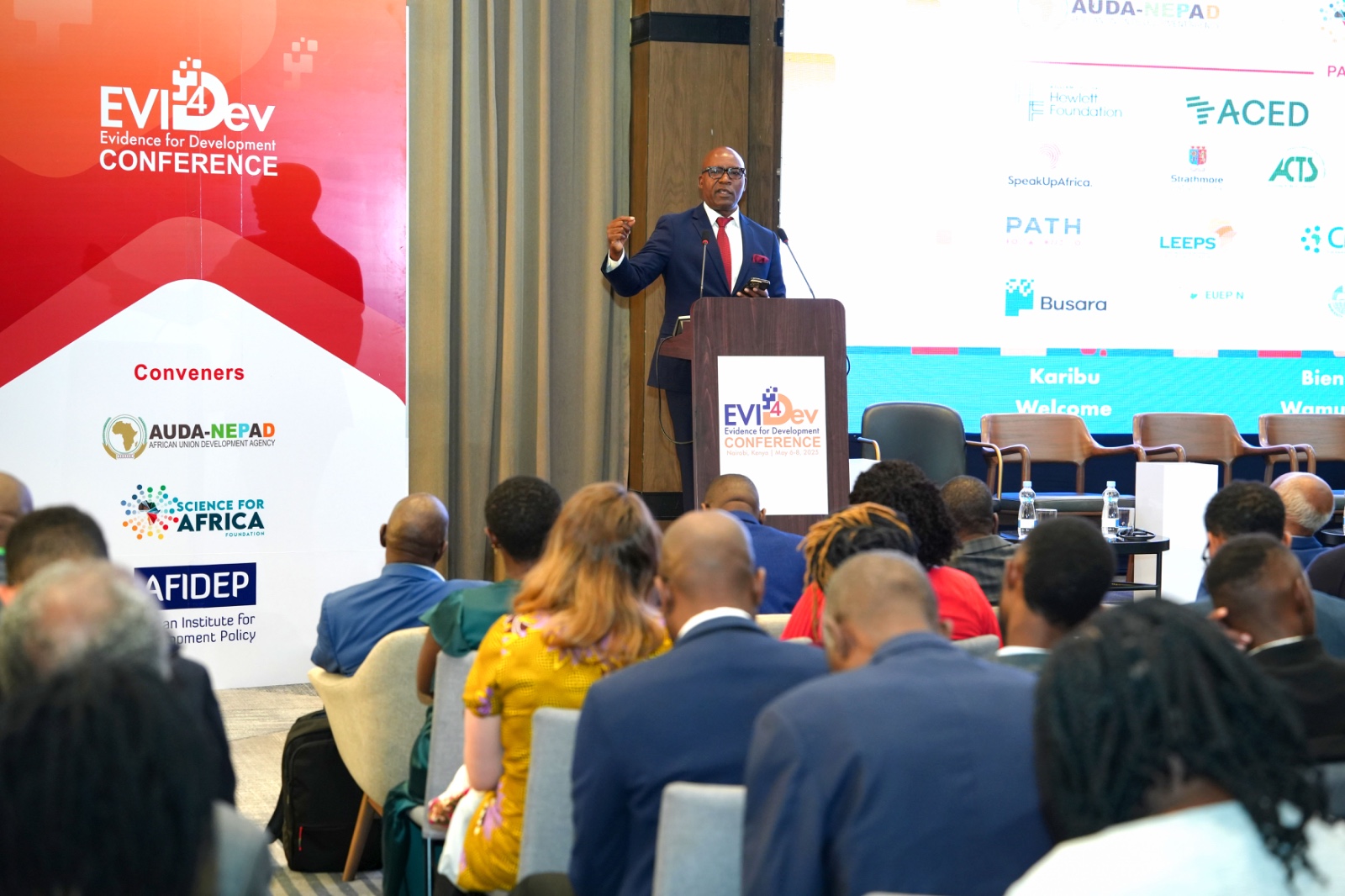
Prof. Brando Okolo, Senior Advisor for Science, Technology, and Innovation at AUDA-NEPAD, emphasized the need to ensure the integrity of data used in policymaking.
“True progress depends not just on having evidence, but on ensuring its truth,” he stated.
In his keynote address, Dr Tom Kariuki, CEO of the SFA Foundation, urged collaboration across sectors and borders to unlock the full potential of innovation for development.
“Transformative change doesn’t happen in silos,” he said. “We need funders, governments, researchers, communities, and the private sector—not as stakeholders, but as co-owners.”
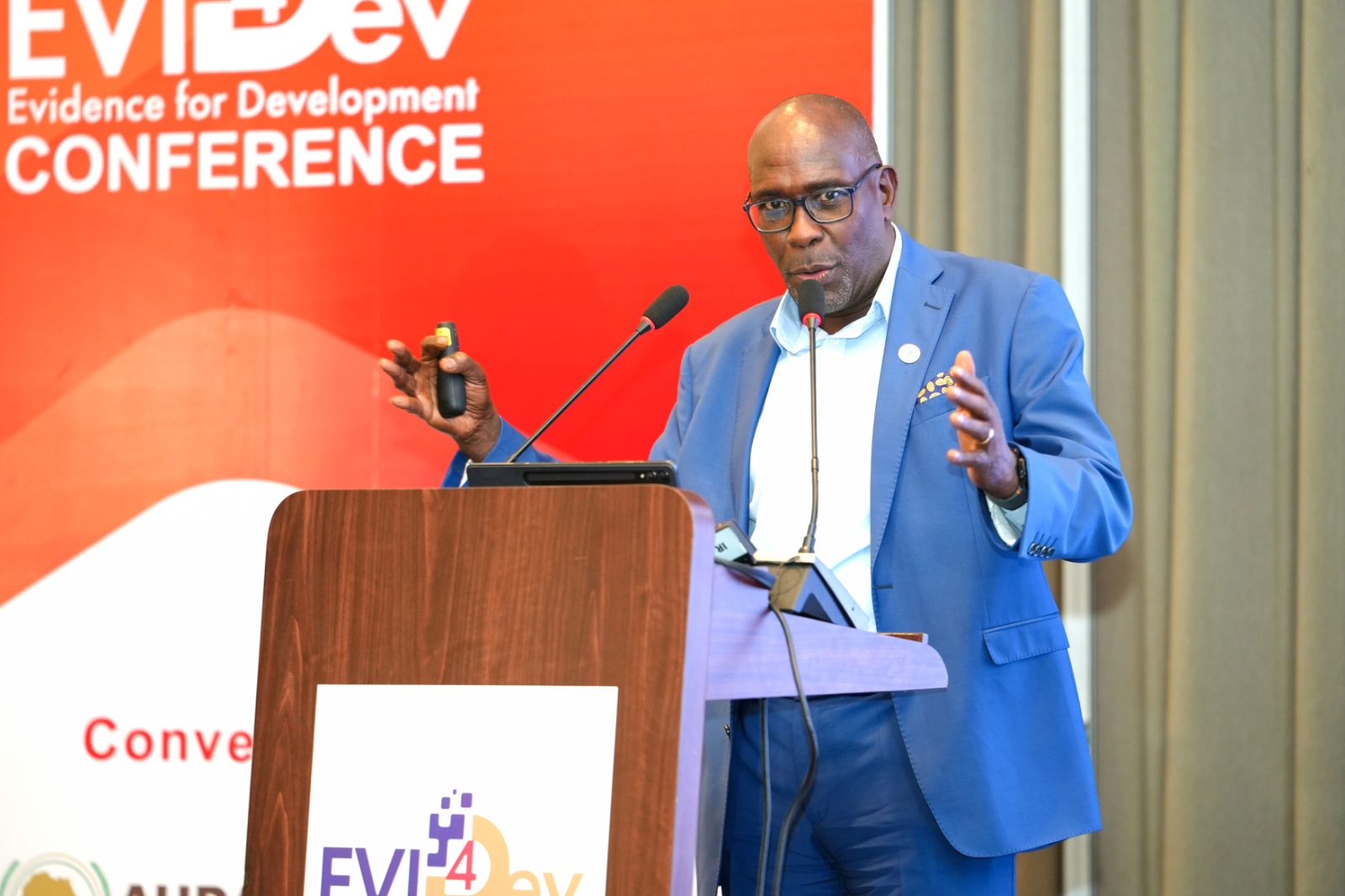
The inaugural Evidence for Development Conference is running from May 6 to 8.
It has drawn senior government officials, researchers, private sector leaders, civil society organisations, and youth innovators to discuss the central role of STI in shaping Africa’s future.
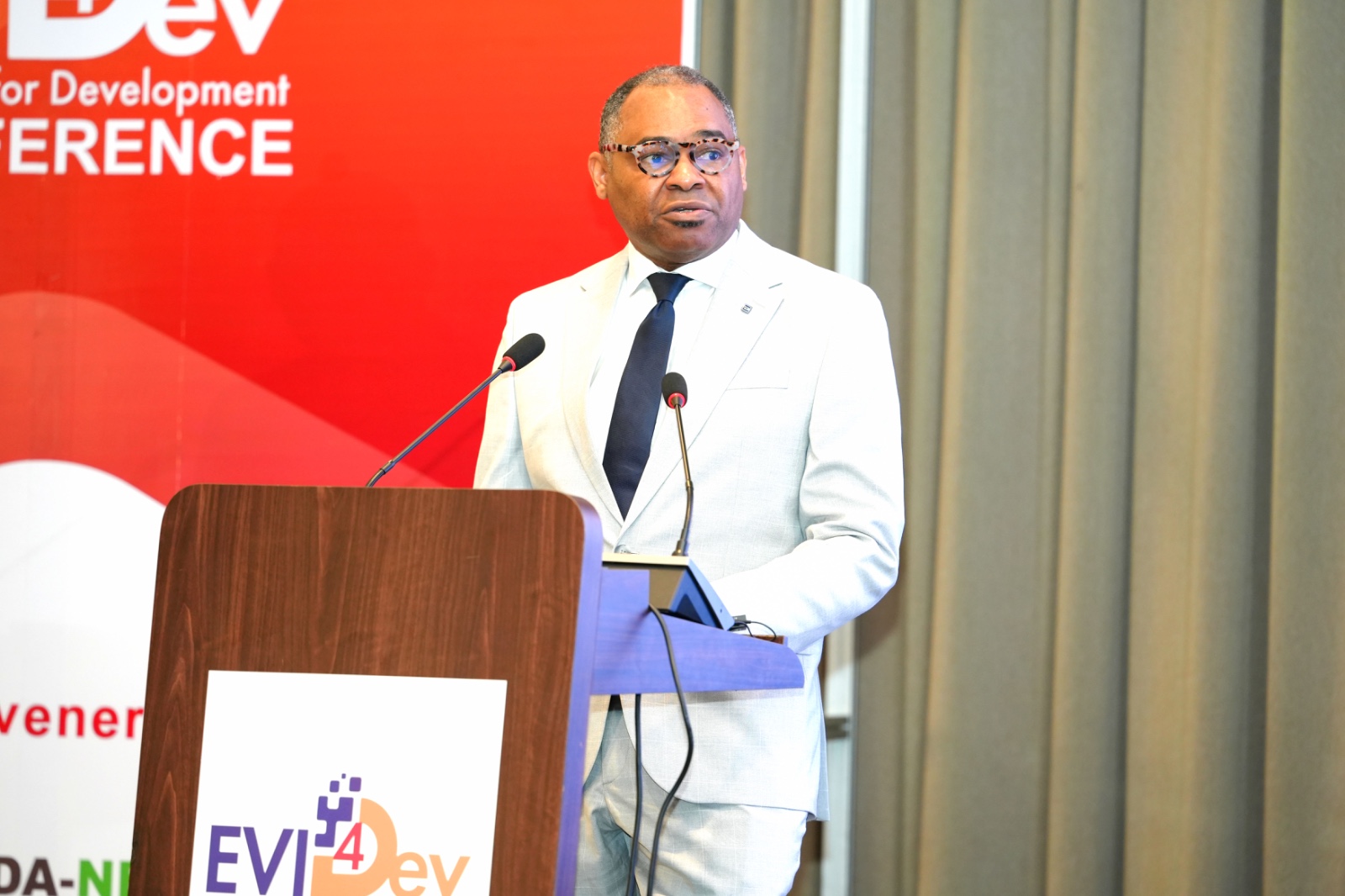
The conference has been co-convened by the African Institute for Development Policy (AFIDEP), African Union Development Agency (AUDA-NEPAD) and the Science for Africa (SFA) Foundation, among other partners.
The meeting is expected to conclude with actionable recommendations to strengthen Africa’s STI and evidence ecosystems and fast-track progress toward a knowledge-driven future.

![Africa CDC Director General Dr Jean Kaseya at a past event. [Photo: Arthur Mbuguah, WHM]](https://cdn.radioafrica.digital/image/2026/10/8ced213c-affb-4dff-97ca-1b6bac1f958e.webp)