The national government has assured Kwale residents that titanium mineral royalties amounting to Sh2.6 billion will be released before June 30 this year.
Mining Principal Secretary Hary Kimtai said the government would disburse Sh1.7 billion to the Kwale government and an additional Sh900 million to the affected local communities.
He said that the funds, which have been delayed for years, would be paid as part of the rightful share from the lucrative titanium mining operations in the region before Base Titanium’s mining licence expires on June 30.
“What is owed to counties and communities must be given to them, because it is law and must be followed to the letter," Kimtai said.
Base Titanium, a subsidiary of Australia's Base Resources, has been mining ilmenite, rutile and zircon in Kwale since 2013.
Its licence is set to expire on June 30, sparking concerns among local leaders and residents over whether the communities would receive their share before operations wind down.
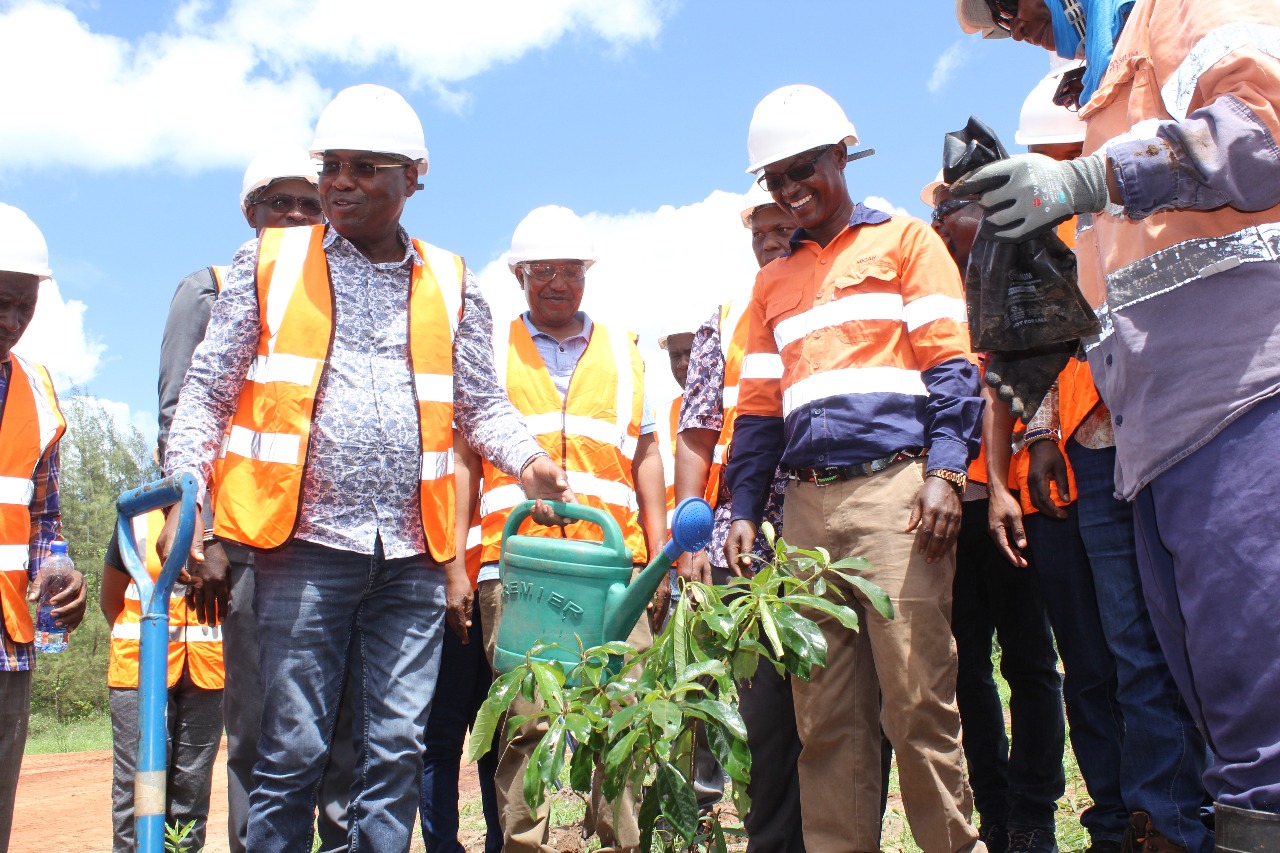
Speaking during an inspection tour of the Base Titanium mining site in Kwale, Kimtai said the ministry is working with the National Treasury to ensure the money is released before the licence expires.
He acknowledged the delay in disbursing the royalties but emphasised the government’s commitment to transparency and accountability in mineral revenue sharing.
Kimtai also said releasing the royalties is part of the mine closure agreement and reaffirmed that it is the ministry's responsibility to ensure the county and affected communities receive what they are entitled to.
He added that local stakeholders would continue to be engaged in discussions on post-mining land use and future mining operations in the region.
The PS further revealed that discussions are ongoing to grant Base Titanium a licence extension of up to 15 years — not for continued mining — but to allow time for the rehabilitation and restoration of mined-out areas.
He said that rehabilitation efforts are currently 55 per cent complete, and more time is needed to ensure effective restoration and long-term environmental monitoring.
“The company has told us that the Tailings Storage Facility requires more time for rehabilitation and close monitoring, because if rushed, it could be disastrous — and we agree with them,” Kimtai said.
The government will engage the National Land Commission and National Environment Management Authority to review laws related to expired mining leases and develop clear legal guidelines on post-mining land use and environmental obligations.
Kimtai clarified that Base Titanium will be allowed to continue rehabilitation activities in specific areas where restoration has not yet been completed.
He said that some of Base Titanium’s infrastructure, including a dam and a 132KV high-voltage power station, has already been handed over to the Coast Water Works Development Agency and Kenya Power, respectively, to enhance water supply and electricity connectivity for local communities.
Additionally, some of the company's equipment will be disposed of locally, while others will be re-exported or transferred to support community development initiatives.
Kimtai said consultations are ongoing with the Post Mining Land Use Committee on the future use of the land, with a final decision to be made after public participation forums are concluded.
He also encouraged international investors to consider opportunities in Kenya’s mining sector, noting the country’s rich mineral resources and progressive policies that support a favourable business environment.