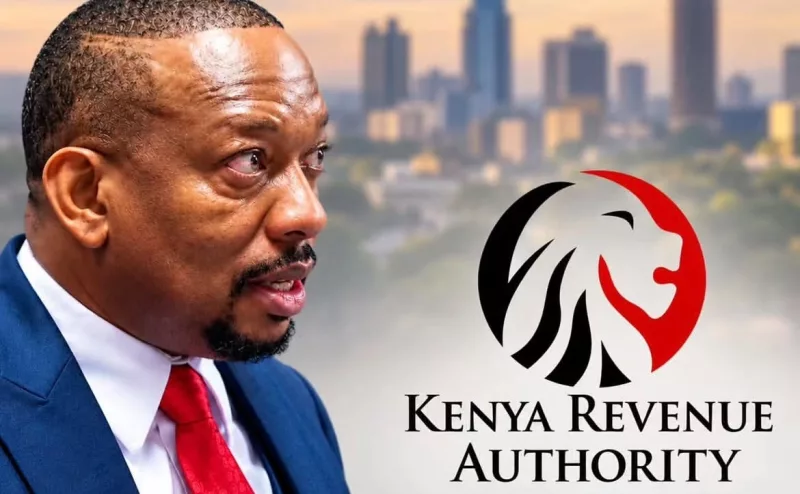
Starting 1st May 2025, Kenyans using OpenAI services such as ChatGPT will be required to pay a 16% Value Added Tax (VAT), in line with local tax regulations.
OpenAI announced that the new tax would apply specifically to paid subscriptions and advised Kenyan users who have a KRA PIN to update their tax information to ensure correct invoicing.
While this move aligns with the broader push by governments to tax digital services, the reaction from Kenyans, especially on social media, has been nothing short of fiery.
Many have taken to platforms like Instagram and X (formerly Twitter) to vent their frustration, ridicule the government’s priorities, and share memes and jokes expressing disbelief.
One user, @rick__arts, labelled the government as “serikali ya kishenzi” – a harsh Swahili term for a senseless or ruthless government.
Another user, @only_.jona_aaaah, joked that the authorities seemingly don’t want students to graduate, while @realmichaelbundi called the policy yet another example of stifling innovation and digital growth in Kenya.
The tax comes as a blow to university students, developers, digital creatives, and other knowledge workers who have come to rely on tools like ChatGPT for academic work, coding assistance, and productivity support.
“The moment citizens start enjoying anything, boom! Tax!” lamented @hillpurps, summing up a shared feeling that taxation often follows any sign of digital progress or innovation.
Humour, of course, is the Kenyan way of coping. From sarcastic suggestions to “tax the air we breathe” to calls to “shift to DeepSeek” and “use VPNs”, users are already exploring alternatives.
Others, like @kim.z.khalifa, mocked the situation with questions like, “Kupika chapo na AI pia utalipa VAT?” (Will making chapatis with the help of AI also be taxed?)
The backlash has also reignited political frustrations, with users blaming President William Ruto's administration, sarcastically referring to "Kasongo" (a meme term often linked to unpopular policies) and even forecasting dramatic actions like “drawing coffins” in protest.

It's worth noting that the VAT applies only to the premium, paid versions of OpenAI tools. As @liam_tech_guy clarified, “It’s not applicable to all, only for paid versions” – similar to how Netflix subscriptions already include VAT in Kenya.
Many feel that essential tools for education and innovation should be accessible and affordable, not taxed into luxury status.
As one user, @athaliahthumi, put it plainly: “Kama hawataki tupite exam si waseme” – if they don’t want us to pass our exams, they should just say so.