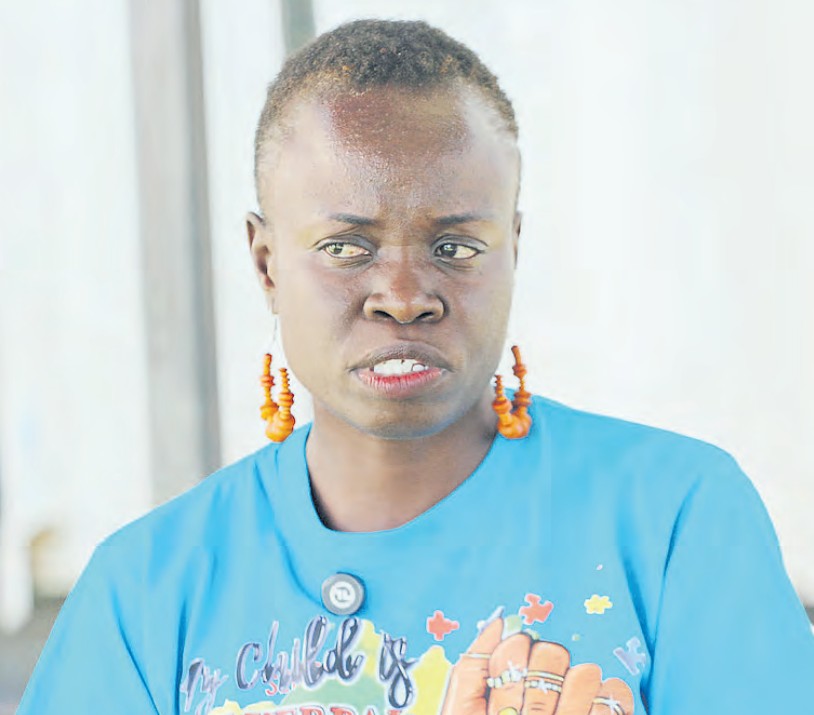
In late October 2017, Betty Oyugi visited a private hospital in Kisumu with her son, who was running a mild fever.
However, after tests, the doctor asked an odd question, “Is that how your baby normally cries? The pitch seems unusually high.”
Oyugi was taken aback, but the conversation was quickly dismissed.
“It felt strange. I kept thinking about what the doctor had said. Those words didn’t sit right with me, especially the fact that she didn’t want to explain anything.“
When Oyugi couldn’t shake off the doctor’s comment, she reached out to a relative who was a paediatric cardiologist in Nairobi.
The relative suggested further examination, after which she advised Oyugi to consult a neurologist, as there was a possibility her son could be autistic.
The neurologist confirmed that her son was autistic, marking the beginning of a journey Oyugi never expected.
“I wasn’t prepared for this. It was supposed to be a normal hospital visit,” she says, her voice tinged with emotion.
“I cried my heart out. It was like everything came crashing down. I was lethargic, overwhelmed and even depressed.”
NAVIGATING EMOTIONAL TOLL
Oyugi was suddenly thrust into a world she had not anticipated, one marked with financial strain.
The therapy sessions cost Sh3,000 each and with weekly sessions, the expenses began to pile up.
“I was trying to figure out how to balance work, finances and therapy. It was tough. But at the end of the day, I had no choice but to keep going because my child needed it.”
Beyond the financial burden was the fact that autism is misunderstood.
“People will always look at you differently, especially when they don’t understand. But I decided that I wouldn’t let the negativity affect how I treat my child,” she said.
“I show him love and care because that’s how I want others to see him.”
Over time, Oyugi’s bond with her son deepened.
“I’ve learned to communicate with him in ways that don’t require words. Even though he’s not verbal, I can tell how he feels by his expressions.”
Through it all, her relationship with God has also been a source of strength.
“My faith in God keeps me going. I want other parents to know that they’re not alone, and we can face this journey together. Our lives have changed, but we are stronger for it.”
DAILY ROUTINE AND CHALLENGES
As a parent raising a child with autism, Oyugi’s life is marked by routine and consistency.
“We wake up at 5am and I help him get ready. He knows how to brush his teeth and do his toileting, but I assist him with his bath and getting dressed. By 6:45am he’s on his way to school.”
When he comes back in the evening, there is someone to receive him from the bus at the gate. He follows the same routine every day.
Advised against sending him to a special school, Oyugi’s son attends an inclusive school, where children who are abled differently learn alongside their peers.
“At the inclusive school, he interacts with other children and we were told this would help him learn faster. Although he still doesn’t talk, he understands everything and can communicate his needs.”
During school holidays, Oyugi has to ensure that someone is home to watch over her son.
“Although he’s very calm compared to other children, I still need to make sure he’s safe, so we don’t risk him accidentally hurting himself or drinking dangerous substances like detergents.”
When out of town, Oyugi ensures that her son’s caregiver sticks to the same routine to avoid any disruptions.
“When I travel for work, I make sure to check in with him through video calls, so I can see his face and make sure he’s okay. It’s important for him to feel stable, so I call the caregiver everyday at 5am to check in and make sure everything is going well.”
SUPPORT AND ADVOCACY FOR CHANGE
“My family has been a constant support system. I know I can trust them to take care of my son whenever I’m not around. I’ve also made sure to teach them how to care for him, so there’s always someone who can step in when needed.”
Oyugi is also part of a local support group called the Autism Warriors in Kisumu. However, lack of resources in Kisumu is a setback.
“There is no autism centre here or even schools that specifically handle autistic children.”
There is also the challenge of medical care.
“I don’t have insurance, so we have to pay out of pocket for the therapy and treatments.”
EXPERT’S PERSPECTIVE
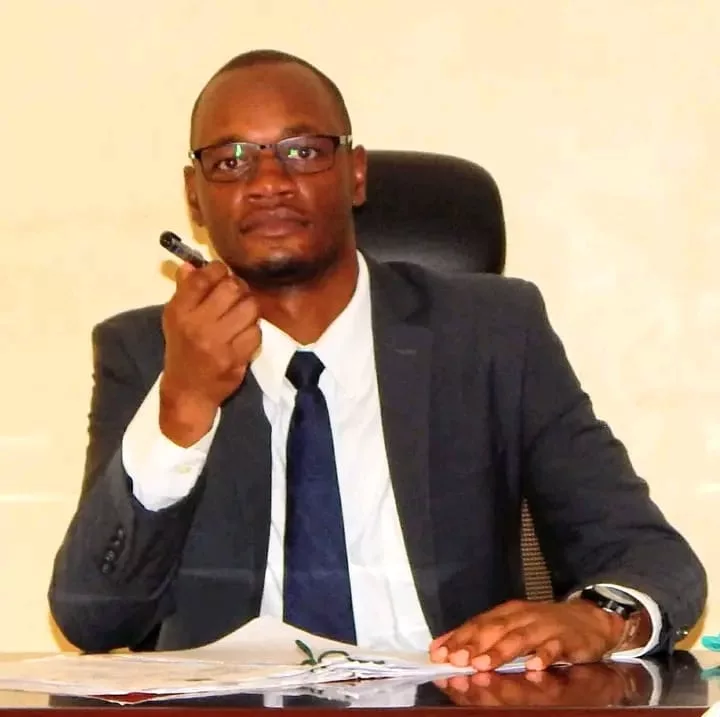
George Omamo, working with the County Department of Medical Services, Public Health and Sanitation and the Coordinator for Disability and Rehabilitation Services, provides insight into autism.
The condition arises during foetal development, when the brain’s cells are meant to differentiate and multiply to ensure normal brain function.
However, in some cases, this process goes awry, leading to developmental issues. Children born physically well may have underlying brain defects that manifest later.
The signs of autism vary, but some may appear at around three months of age.
Parents might not immediately recognise the condition but may notice that the child struggles to speak, crawl, or interact like other children.
Some children may exhibit hyperactivity.
In Kenya, diagnosing autism can take years due to limited resources and medical infrastructure.
“It can take up to three or even four years before a diagnosis is reached. In contrast, in developed countries, autism is often diagnosed much earlier, sometimes within the first few months of life”.
A VISION FOR THE FUTURE
The journey from diagnosis to acceptance was not easy.
Looking ahead, the mother is passionate about creating more resources for families like hers.
“I would love to see an autism centre in Kisumu, where families can access services and support. We need to invest more in the future of these children,” she says.