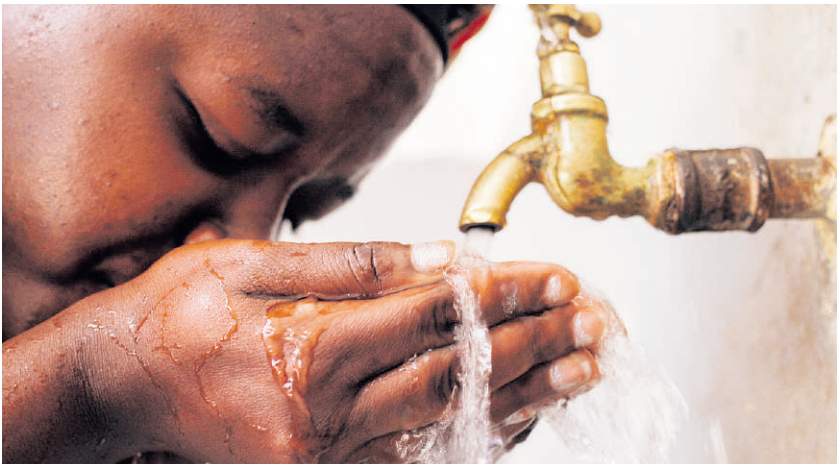
At least six in 10 Kenyans have sufficient access to clean drinking water, but only four enjoy basic sanitation, a report by a civil society coalition says.
The lobbies have urged the government to invest in clean water and sanitation services to improve the quality of life.
The report submitted to the United Nations says, although progress has been recorded, more resources are needed for people access enough clean water.
“Forty-one per cent of the population have at least basic sanitation services. This number is slightly higher in urban areas (47 per cent) than in rural areas (38 per cent). Two-thirds (66 per cent) of the population are connected to a sewer system or safely dispose of excreta on-site or remove it for treatment off-site.”
Despite improved access to water and sanitation in urban areas, there are significant inequalities affecting informal settlements, particularly in terms of availability of public water supply and affordability.
A UN assessment of the right
to water in informal settlements
found that the majority (35 per
cent) of surveyed households spent
between three and 10 per cent of
household income on water —
which is above the international
standard for affordability (three
per cent) – while a significant proportion (17 per cent) spent more
than 20 per cent of household income.
The activists say 58 per cent of diarrhoea is associated with poor access to water. Slums and rural areas have no toilets.
“The lack of clean water and
sanitation contributes to frequent
cholera and other diarrheal disease
outbreaks. It is a leading contributor to Kenya’s slow decline in child
mortality through diarrheal diseases, malnutrition and acute respiratory infections,” the report says.