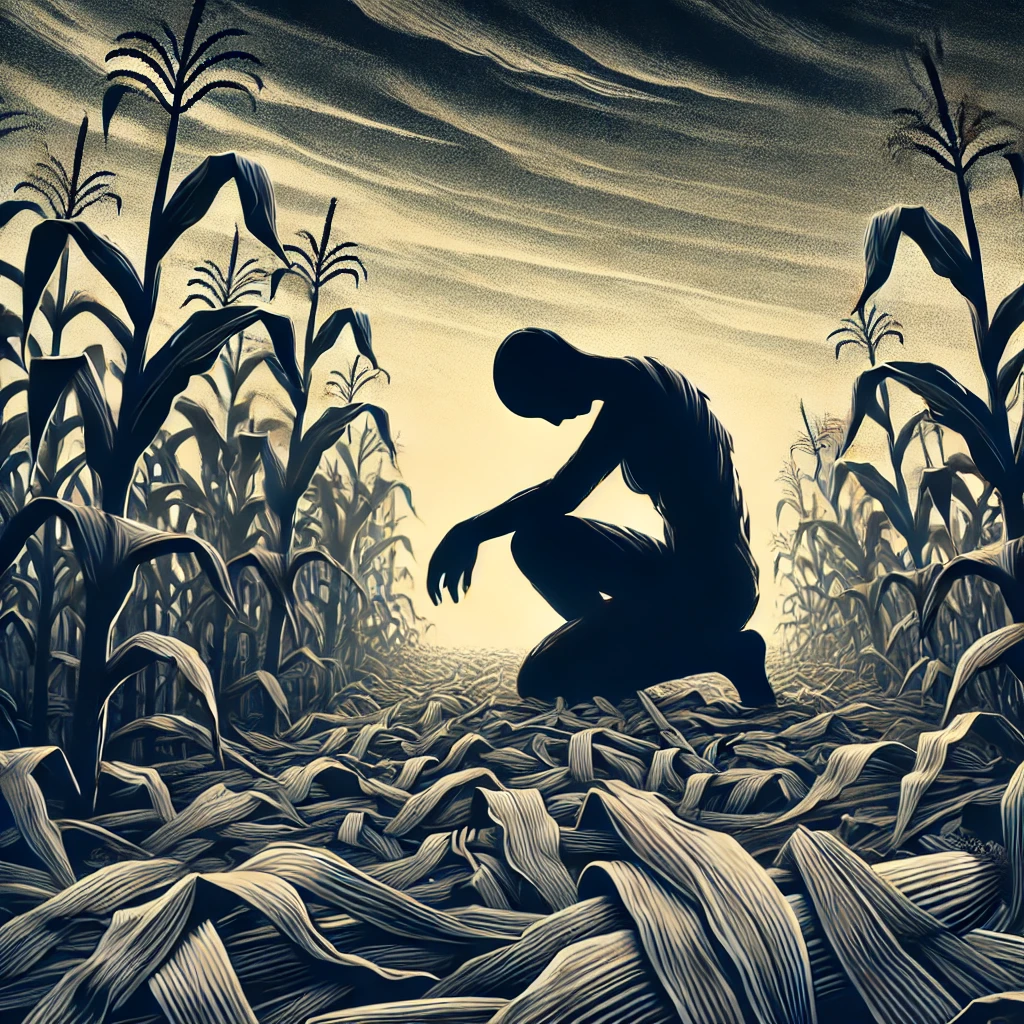
Imagine walking past a vast maize plantation, the towering stalks swaying gently in the breeze, their tassels nearly brushing against your head.
The rustling leaves create a soothing rhythm, blending with the distant chirping of birds. You walk lost in thoughts when suddenly strong hands seize you from behind.
A surge of panic shoots through your body as you struggle, but the grip tightens as the person drags you with him to the plantation ground.
The towering maize that was a sight to behold then becomes a prison with the stalks closing in as you are overpowered. The stranger rapes you and then flees from the plantation.
But after the ordeal, what should you do? Should you walk back home like nothing happened? Or what are the processes and procedures to be followed?
Articles 28 and 29 of the Constitution of Kenya, provide for the protection of human dignity and freedom and security of persons including victims of SGBV.
Emergency Response & GBV Specialist Javan Kado says when a person is raped, the first fear is the fear of being infected.
“This person has to go to a health facility immediately, it happens. If possible, let them go within the first 72 hours. That's about three days,” he says.
Health facility
Speaking to the Star, Kado says this will allow the facility to give the victim PEP.
Post-exposure prophylaxis is a short course of HIV medicines taken after a possible exposure to HIV to prevent the virus from taking hold in your body.
“This should only be effective within 72 hours. Beyond that, it's not going to help them much. If there is a possibility of getting pregnant then they should be given an emergency contraception within five days,“ he says.
Kado says at the facility, the doctors will also try to prevent sexually transmitted infections.
“And the other thing that could happen in the hospital is they will collect forensic evidentiary material. Every contact will leave a trace,” he says.
“If she was raped or he was raped in a field, we might find the grass fibers. It might help strengthen their case. We might collect samples that will help the police with the investigation.”
Kado says the other step would be to go to the police.
“A higher percentage of them, about 60 per cent or so are referrals from the police. So go to the police and report on what happened,” he says.
He says the survivors are then given the Post Rape Care form or P3 forms that they fill in to help the police with Investigations.
“Then, the police will do the investigations, and take the matter to court. Hopefully, prosecution and then sentencing,” he says
Counselling
The survivor should then seek psycho-social support within the health facility.
“We need to provide counselling because mental health is very important and healing takes time. People heal differently,” he says.
“A lot of things usually go through a survivor's mind. And, so they will prefer sometimes not to come to the facility, keep quiet, and, diminish the seriousness of the event and simply just ignore it.”
Kado says as a centre, they do not want survivors of rape to assume that everything is okay after going through the ordeal.
“We do not want them to ignore us because some of them think they will not be believed. In medical facilities, there are three rules that we work with. One, we believe you. Two, it is not your fault. And three, you are not alone,” he says.
“So we will believe them because they need someone that will trust them, someone they will trust and we'll be able to start helping them on the journey towards healing. The second thing is, it is not their fault. They will be blaming themselves for every single thing. I should have seen the signs. I should not have been there.”
Last week, More than 10 Civil Society Organisations discussed ways to end Femicide in the country. Among the recommendations fronted, the CSOs are championing legal and policy reforms.
Kenya’s law enforcement agencies recorded 97 cases of femicide between September and November 2024.
Globally, UN Women reported that in 2023 alone, one woman was killed every 10 minutes in intimate partner and family-related murders.
These murders prompted President William Ruto to form a 42 man Taskforce to look into ways to stop the killings.