The Kenya-Sudan diplomatic row has hit local traders following the ban imposed by Sudan on Kenyan exports. On Friday, tea traders said they are about to lose over Sh21.5 million worth of tea should the Kenyan government not intervene to have the embargo lifted.
Sudan is one of Kenya’s largest destinations for tea. The diplomatic row was triggered by Kenya’s decision to host the paramilitary Rapid Support Forces, who are fighting the Sudanese army in a two-year civil war.
Last month, the RSF and its allied political and armed groups signed a founding charter in Kenya expressing the intention to form a parallel government in Sudan.
Sudan’s military government said the import ban was to preserve the country’s sovereignty and “protect its national security”.
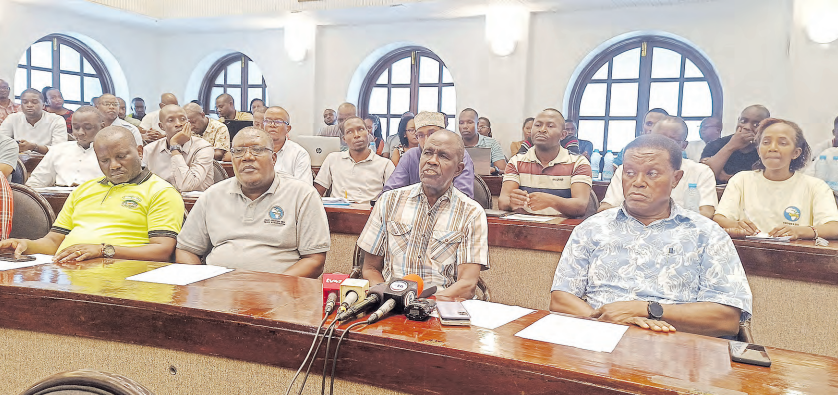
The East Africa Tea Trade Association said they have received concerns from tea exporters whose cargo has been affected by the ban, which took effect on March 14, catching many tea exporters unawares.
“We have buyers and exporters who have running contracts with tea importers in Sudan. The buyers have already shipped out tea that is on the high seas, while some are lying at the port.
“Some teas have been bought destined for the Sudan market for the last two weeks that are still lying at the warehouses,” EATTA CEO George Omuga said.
Speaking at the Tea Auction in Mombasa, Omuga said the teas are already in value added form meaning they are packed and branded specifically for the Sudan market.
“Therefore this means that all this tea will not be able to be shipped out of Mombasa due to this ban. And they cannot be shipped out to any other market because they are specifically packaged for Sudan,” the CEO said.
There are at least 207 40ft containers of tea at the Mombasa port that were destined for Sudan. Each container carries about 400 bags of tea worth USD2 (about Sh259). Omuga said Kenya controls 80 per cent of the tea traded through the port of Mombasa.
The Mombasa Tea Auction is the largest tea auction in the world. “This ban will result in unfathomable losses to buyers and will trickle down to producers and farmers,” Omuga said.
The Kenyan tea exporters for Sudan market will have severe cut flow challenges and the tea already bought and shipped to Sudan will not be paid for by the Sudanese buyers because these teas will not be cleared from the port of Sudan.
Omuga said Sudan purchases specific grades of tea, which are already committed and cannot be diverted to any other market destination.
“This will create a significant negative impact in terms of the auction tea prices and auction purchases,” the EATTA CEO said.
The tea traders fear they will lose the Sudan market, which is among the top five major market destinations for the Kenyan tea.
Other major markets include Pakistan, Egypt, the UK, Russia, the UAE, India, Saudi Arabia, Iran and China. “This will compound the already existing market glut at the Mombasa auction,” Omuga said.
A market glut refers to a situation where the supply of a commodity significantly exceeds the demand, resulting in a potential oversupply and often leading to a fall in prices.
This means therefore ban will further negatively affect the tea farmers’ returns and earnings.
“We therefore would like to request the Kenyan government to urgently engage the Sudanese government to allow buyers and exporters of tea from Mombasa a window of at least one month to clear the already dispatched teas destined for Sudan, the teas in the high seas and the huge stocks bought for Sudan market still lying in the warehouses,” Omuga said.
He said with government intervention, they believe there will be no losses incurred.
EATTA director Peter Kimanga said the tea destined for Sudan is already branded and bears the importer’s name and therefore cannot be sold to any other person or entity.
EATTA chairman Arthur Sewe said they have confidence in the government and believe they will heed their cry and engage the Sudanese government.
“If we had the capacity to talk to the Sudanese government directly, we would have done it. But we believe our government will take this into consideration and see how the situation can be shelved,” Sewe said.