
 This
is the first study to assessthe gains and healthcare costsavings for Kenya if it controlsoverweight
and obesity in adults.
This
is the first study to assessthe gains and healthcare costsavings for Kenya if it controlsoverweight
and obesity in adults.
The modelling was done by Dr Mary Wanjau of the University of Nairobi, and colleagues from Griffith University of Australia, and Clinical Research Education Networking and Consultancy, Cameroon.
“This savings (Sh97.4 billion) is equivalent to 16 per cent of Kenya’s annual healthcare expenditure or one per cent of its Gross Domestic Product (GDP),” the authors said.
The study adds weight to campaigns for initiatives that curb obesity, such as mandatory nutritional warning labels on some foods, and higher taxes on sugary beverages.
“If BMI distributions stabilised in 2025, an estimated 6.8 million health-adjusted life years (HALYs) would be saved over the lifetime of the 2019 Kenyan population,” they said, referring to the 2019 national census figures.
Haly measures both years of life lost to early death and years lived with disability or illness.
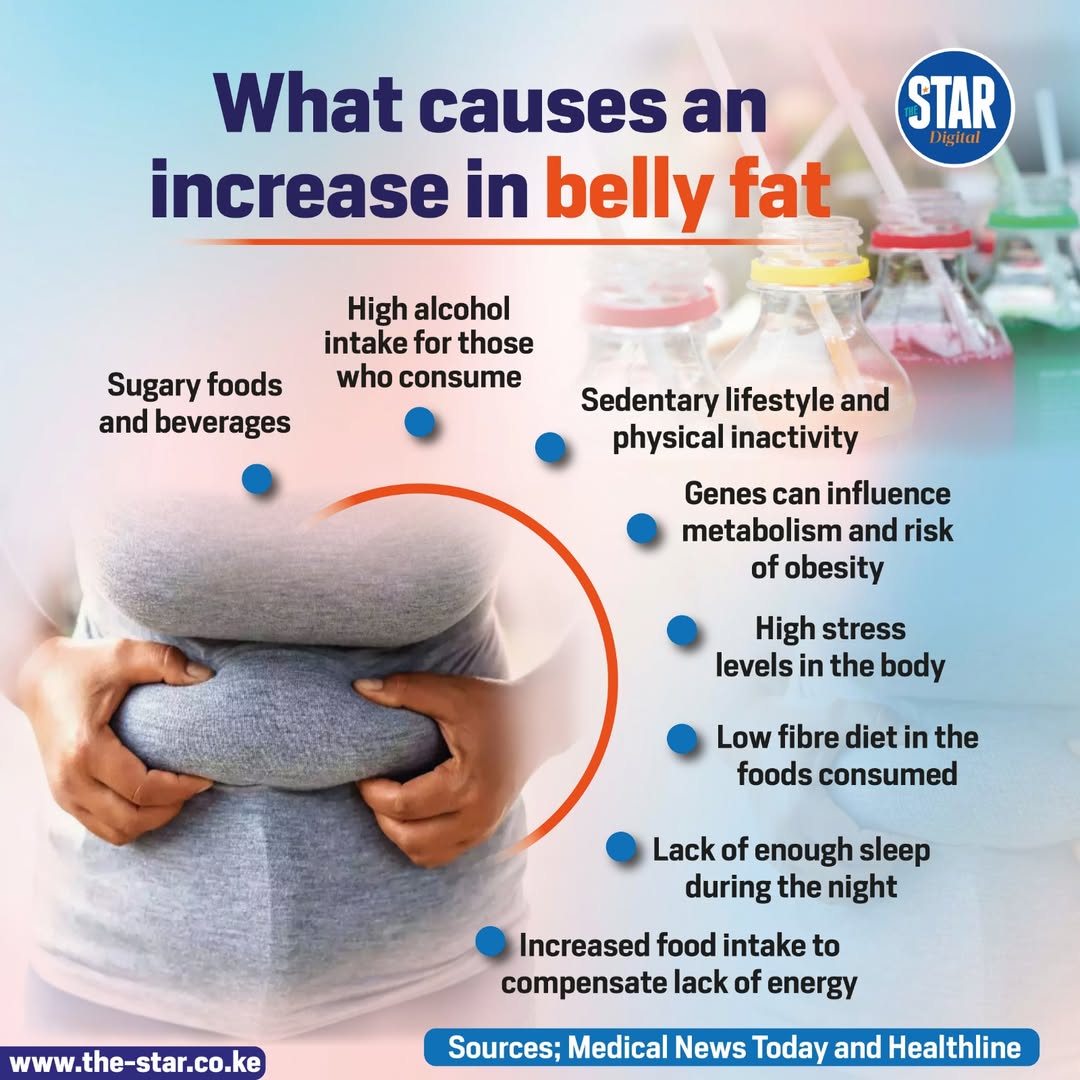
“People eat progressively less locally produced indigenous foods rich in fiber and low in fat, and more of products high in saturated fats and sugar,” they explained.
Kenya in 2013 signedtheGlobal Action Plan target to halt the rise (0 per cent increase) ofoverweight and obesity by 2025.
The authorsestimate that if the country made good this commitment, it could prevent537,052 cases of musculoskeletal diseases by 2044; 466,030 cases of type 2 diabetes; and 301,729 cases of cardiovascular diseases.
“In the year 2044, the largest proportional reduction in disease prevalent cases would be seen in type 2 diabetes followed by musculoskeletal diseases and cardiovascular diseases,” they said.
“By 2044, the total productivity gain resulting from a reduction in high BMI-related mortality and morbidity (combined) was US$5.8 billion (Sh748.2 billion),” the researchers noted.
They health gains would be higher in females than males.
The findings strongly support the need for national policies aimed at preventing further increases in overweight and obesity.
“These findings support the case for government action to prevent further increases in overweight and obesity,” the study said.




![Africa CDC Director General Dr Jean Kaseya at a past event. [Photo: Arthur Mbuguah, WHM]](https://cdn.radioafrica.digital/image/2026/10/8ced213c-affb-4dff-97ca-1b6bac1f958e.webp)