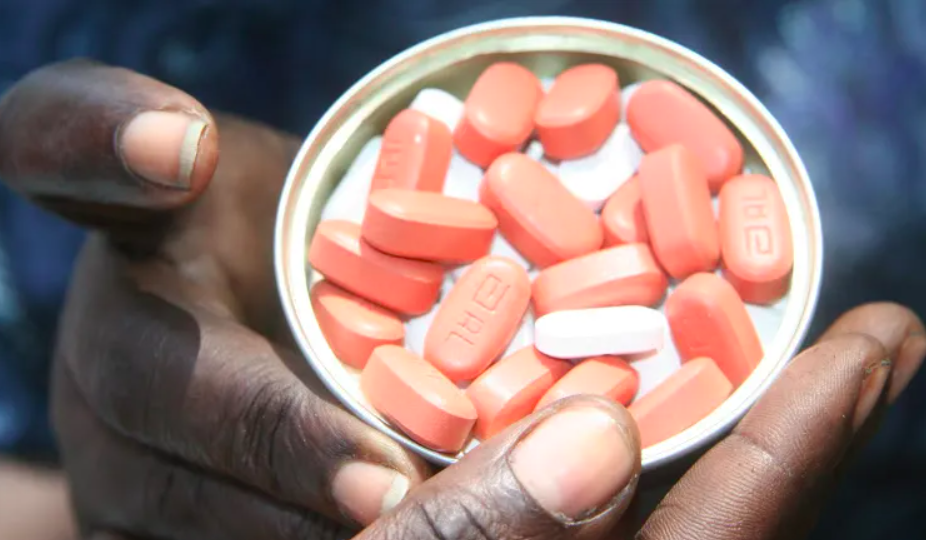
 A person holding antiretroviral drugs.
In total, Kenya needs Sh28 billion to buyHIV commodities such as ARVs and test kits this year.
The Council of Governors (CoG), National Syndemic Diseases Control Council (NSDCC), National Aids and STIS Control Programme (Nascop), and the Kenya Medical Supplies Authority (Kemsa) said this in an analysis indicating how the US stop order affects Kenya.
The US has since issued caveats exempting critical work, but it recalled key American staff and this has grounded processes that were ongoing.
CoG said Kenya should urgently allocate Sh8.7 billion to avert ARVs shortages and other products stock-outs.
The US also separately spends Sh17.3 billionto support about 41,547 healthcare staff in Kenya’s HIV programmes.
Of these, 9,515 are frontline staff paid with money from Pepfar, about Sh380,618,320 annually.
CoG and the four agencies under the Ministry of Health said Kenya should allocate an emergency kitty of Sh3.9 billion to maintain current frontline healthcare workers to ensure continuity.
COG and the Ministry of health recommended a human resources audit to better understand the extent of reliance on US aid and to plan for future absorption of health workers.
This would involve mapping donor-supported health workers against the Kenya Public Service Commission’s schemes of service.
“This exercise will enumerate the current workforce and align titles, qualifications, job descriptions, and remuneration structures with national frameworks,” they said.
Thesystem tracks crucial data, including Early Infant Diagnosis, HIV testing, viral load monitoring, and antiretroviral treatment outcomes.
“The withdrawal of these funds (Sh68 million) could compromise Kenya’s ability to monitor and respond effectively to the HIV epidemic,” the CoG-MoH brief warns.
They called for an urgent review of the costs of maintaining these systems and their full absorption into the national budget.
One of the most pressing issues resulting from the funding cuts is the impact on vertical HIV service delivery models, which have traditionally operated separately from mainstream healthcare services.
The CoG and MoHadvocated for an audit of these vertical systems to identify opportunities for integration without reversing the gains made in the fight against HIV.
“Integration is necessary to ensure sustainability, but it must be done carefully to avoid increased stigma and discrimination against people living with HIV,” the briefing notes.
The CoG and MoHalso recommendedlong-term solutions to reduce Kenya’s dependence on donor funding. Key among these is the facilitation of local manufacturing of HIV commodities and the inclusion of HIV-related expenses in the Medium-Term Expenditure Framework. “Sustainable financing is the only way to protect Kenya’s health sector from external shocks,” the recommendations state.
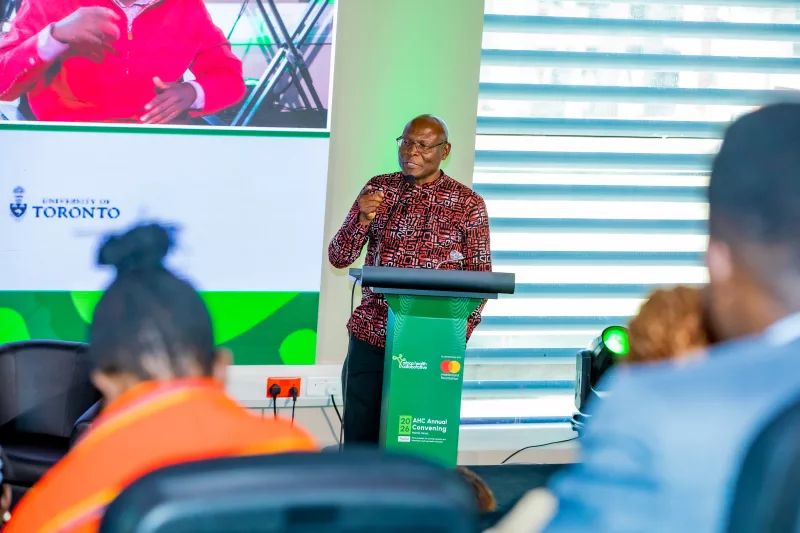

![Africa CDC Director General Dr Jean Kaseya at a past event. [Photo: Arthur Mbuguah, WHM]](https://cdn.radioafrica.digital/image/2026/10/8ced213c-affb-4dff-97ca-1b6bac1f958e.webp)