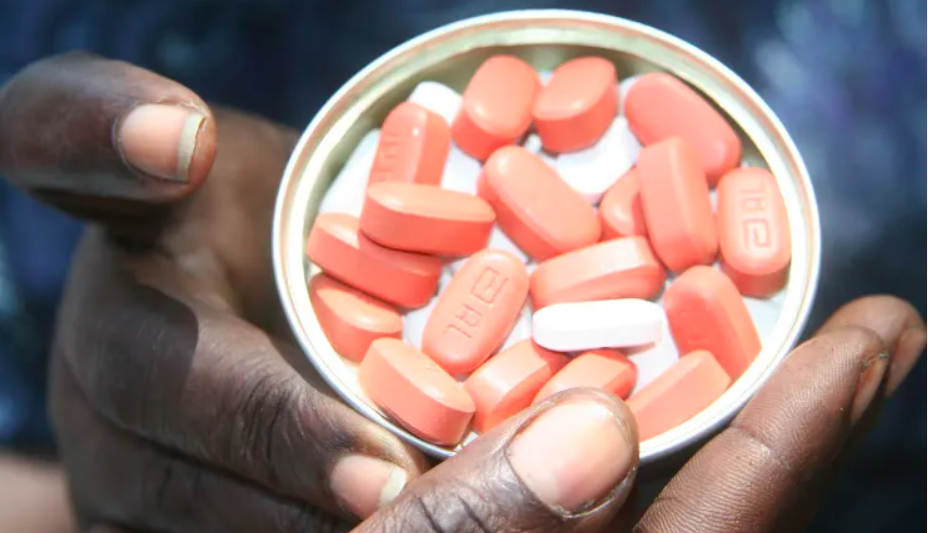
 Global health organisations warned of severe consequences for millions of people dependent on HIV treatment.
Ministry of
Health says it is seeking new
donors to support Kenya’s HIV
programme,days after the new US
government temporarily pausedfunding and
distribution of the HIV drugs it supports.
The US on Wednesdaylifted those orders, offering temporary relief for its global HIV treatment programme.
Director General for Health Patrick Amoth said Kenya is taking measures to mitigate the negative effects and ensure the continuity of healthcare services.
“The Ministry of Health is actively engaging with other development partners, international agencies, and private sector stakeholders to secure alternative resources and fill gaps in the supply of essential medicines. Kenya is also emphasizing regional and global solidarity to support health financing, ensuring that critical healthcare services continue to reach those in need,” he said.
On Wednesday, US Secretary of State Marco Rubio, allowedthe continued distribution of HIV medications in the 55 countries supported by the US President's Emergency Plan for Aids Relief (PEPFAR).
However, it remains unclear whether the waiver includes preventive drugs or other critical services.
In response to the growing pressure, Rubio later clarified in a memo that other "humanitarian assistance" beyond food—such as core lifesaving medicine, medical services, food, shelter, and subsistence assistance—would also be exempt during the review period.
Unaids welcomed the decision.
"This urgent decision recognises Pepfar’s critical role in the Aids response and restores hope to people living with HIV."
Kenya’s main donor is the Pepfar, which gave Kenya Sh43 billion last year.
Kenya’s progress in combating HIV/Aids has been substantial, with 98 per cent of the estimated 1.37 million people living with HIV aware of their status and receiving treatment. Moreover, 94 per cent of those on treatment have achieved viral suppression, a testament to the effectiveness of global collaboration in tackling the epidemic.
The World Health Organization (WHO) had also raised alarm over the implications of a prolonged funding pause. In a statement issued on January 28, WHO expressed concern about the immediate risk to millions relying on HIV therapy in low- and middle-income countries.
“A funding halt for HIV programs can put people living with HIV at immediate increased risk of illness and death and undermine efforts to prevent transmission in communities and countries,” WHO stated.
Pepfar, a programme that has provided HIV treatment to over 20 million people globally, has played a critical role in the global response to the HIV epidemic. WHO warned that a sudden cessation of Pepfarfunding could reverse decades of progress, potentially leading to a resurgence of HIV infections and deaths at levels reminiscent of the 1980s and 1990s.
“Pepfarprovides lifesaving antiretrovirals for more than 20 million people – and stopping its funding essentially stops their HIV treatment. If that happens, people are going to die, and HIV will resurge,” said IAS President Beatriz Grinsztejn.
IAS underscored Pepfarrole as the largest commitment ever made by any country to fight a single disease, with over $110 billion invested since its inception in 2003. The organization urged USpolicymakers to restore funding to avoid catastrophic health consequences worldwide.
While the US waiver offers temporary relief, uncertainty lingers over the broader implications of the funding freeze. Health experts and policymakers stress that a long-term solution is necessary to prevent a public health crisis.
As discussions continue, global health advocates are calling for urgent action to ensure that critical HIV treatment programs remain uninterrupted. The fate of millions hangs in the balance.
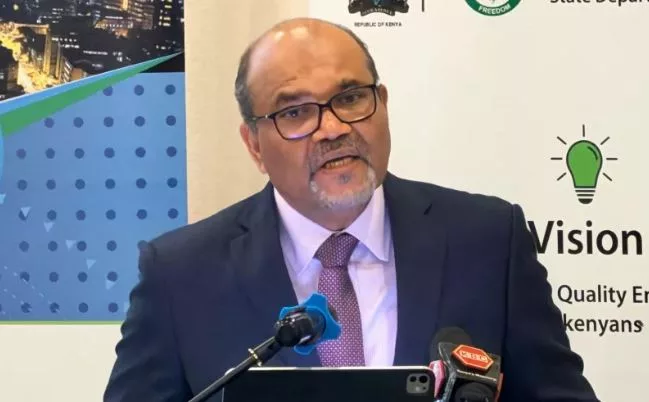


![Africa CDC Director General Dr Jean Kaseya at a past event. [Photo: Arthur Mbuguah, WHM]](https://cdn.radioafrica.digital/image/2026/10/8ced213c-affb-4dff-97ca-1b6bac1f958e.webp)