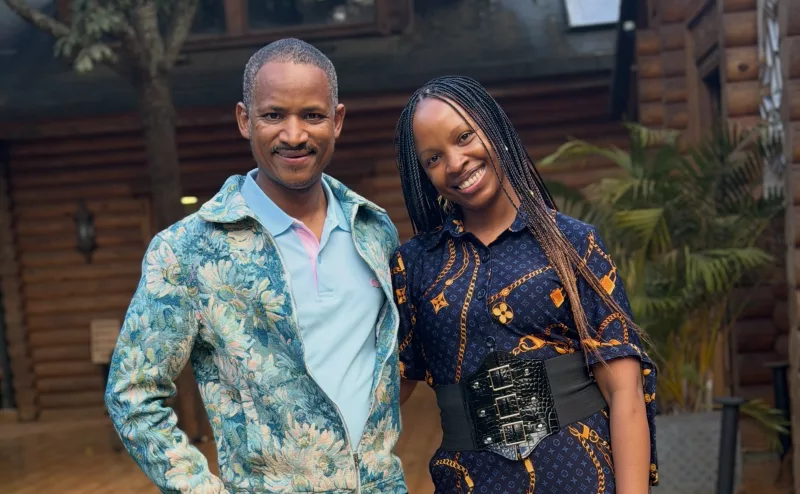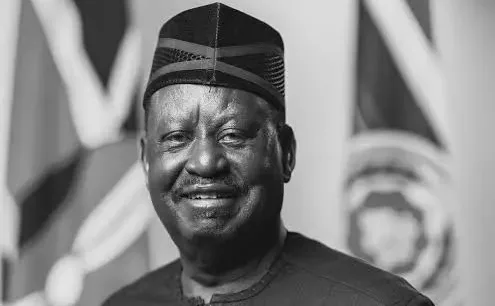
As the chief guest, Kabogo shared the stage with notable figures such as Uasin Gishu Governor Jonathan Bii Chelilim, German Embassy Deputy Ambassador Alexander Fierly, and ODPC Data Commissioner Emmaculate Kassait.
However, it wasn’t his speech or policies that grabbed public attention—it was his choice of headwear.

Kenyans React on Social Media
After pictures of Kabogo at the event circulated online, many Kenyans took to social media to share their opinions. Some were confused, while others found humor in his choice of attire.
A Twitter user, @jimNjue_, questioned, “When did men start wearing that thing Kabogo has on his head? I thought it was for women.”
Another user, @b_kigo, joked that at this rate, Kabogo might start wearing an even more elaborate outfit. Some people playfully suggested that Kabogo was trying to cover a bald spot or following a new fashion trend.
Others, like @EvansMzale001, defended Kabogo, pointing out that traditional attire is often misunderstood by those unfamiliar with it.
Another user, @nduuini, stressed that wearing the headband could be a sign of respect for local customs, particularly since Kabogo was in Eldoret, where such traditions are valued.
Some critics used the moment to take a dig at Kenyan politicians, implying that there is a trend of leaders adopting different cultural symbols for publicity.
Others speculated that Kabogo was simply having fun with fashion, with @Soulmender37 saying, “This trend was started by Kaongo, wearing regalia from different tribes for fun.”
What Does the Maasai Headband Represent?
The head gear Kabogo wore closely resembles traditional Maasai head ornaments. In Maasai culture, such beaded headbands are worn for various reasons, particularly by elders and respected figures.
The colours and patterns often symbolize different aspects of leadership, wisdom, and social status.
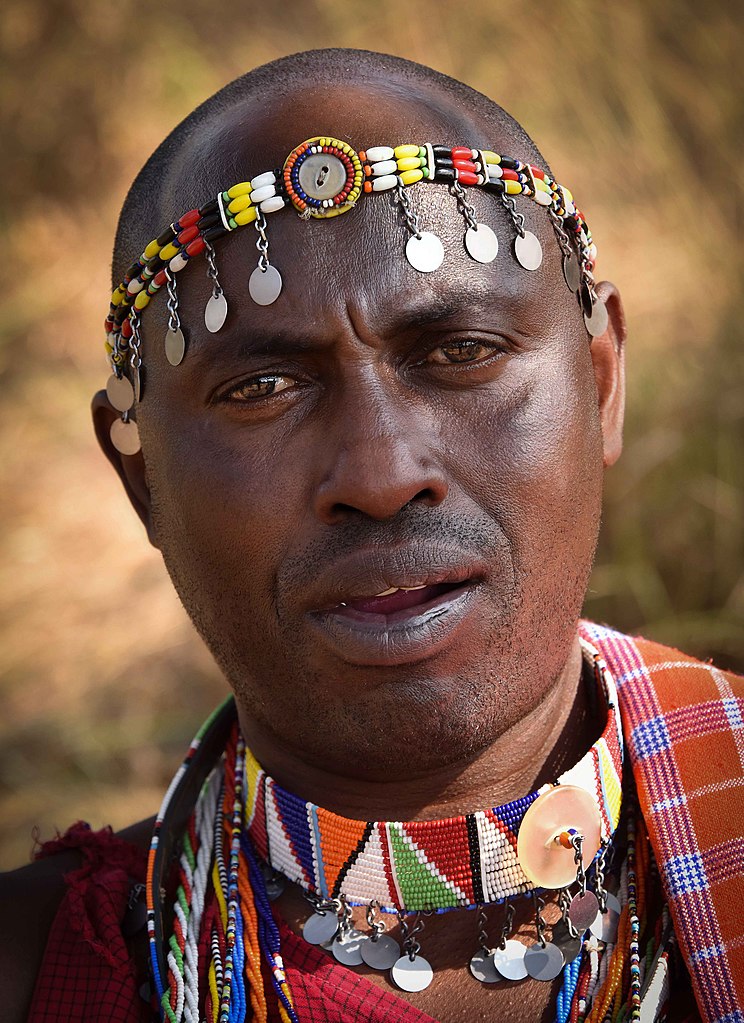
Men, especially elders, wear beaded headbands to signify authority, experience, and a connection to their heritage. The colours used in the beadwork also have distinct meanings:
Red represents bravery and the struggles of life.
White symbolizes purity and peace.
Blue represents the sky and blessings from above.
Green signifies nature and prosperity.
By wearing the headband, Kabogo may have been acknowledging and paying tribute to indigenous traditions, possibly as a sign of unity and respect for the Maasai and other communities that value such cultural expressions.