Sub-Saharan Africa (SSA) is undergoing an epidemiological shift, with a significant rise in chronic non-communicable diseases (NCDs). These diseases, though challenging to define, are commonly linked to four behavioral risk factors: tobacco use, excessive alcohol consumption, poor diet, and physical inactivity.
Together, these factors drive the prevalence of cardiovascular disease, cancers, chronic respiratory diseases, and diabetes—conditions responsible for nearly 80% of global deaths. In Kenya specifically, NCDs contribute to over half of all inpatient admissions and account for nearly half of hospital deaths.
While these statistics are alarming, most countries are now taking measures to ensure the management of NCDs, leaning majorly towards population-based interventions. These interventions primarily include integration of policies designed to build an environment in which people are encouraged to make and maintain healthy living choices.
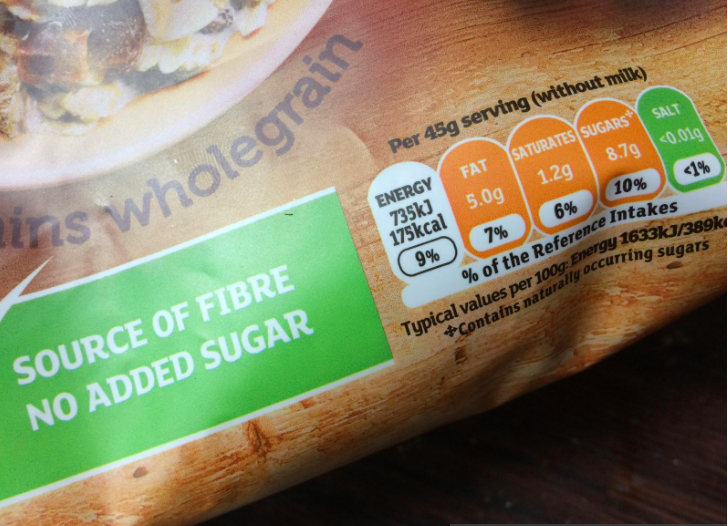
One promising approach is the use of front-of-pack labels (FOPLs) which provide consumers with essential nutrition information on the foods they eat in a quick and clear way. As a matter of fact, scientific evidence shows that FoPLs—detailed nutrient information found on the back of food packaging—are effective in guiding consumers towards healthier food options. Kenya for example has a long-term goal of adopting a Nutrient Profile Model that will guide FOPL implementation within the food environment in the country.
According to researchers and public health experts however, simply listing nutrition facts is not enough; labels must be clear, simple, and easily understood if they are to truly influence consumer choices. Numerous FOPLs have been proposed globally. For example, the United States, proposed the three-star system; which rated products from less healthy (0 stars) to more healthy (3 stars). In the UK and Ecuador, the proposal was for a traffic light system, while Australia adopted a five-star rating system.
However, countries like the US have not yet imposed a
mandatory front-of-pack labeling system, but instead some products
display a voluntary system called ‘Facts Up Front’. It is therefore clear that
the greatest barrier to implementation of these labelling systems is that,
despite strong evidence of FOPL benefits, these systems largely remain
voluntary.
While adoption of FOPLs has primarily taken root in high-income countries, the trend is spreading to low- and middle-income countries (LMICs), where the burden of NCDs is also rising. South Africa recently became the first African country to adopt FOPLs, and Kenya could see substantial public health benefits by following suit.
Furthermore, prior studies show that
when implemented effectively, FOPLs can significantly impact consumer food
choices and encourage healthier eating. However, Kenya continues to see growing
availability and consumption of ultra-processed and unhealthy foods, a trend
evident in both urban and rural areas.
The Kenyan government through the Ministry of Health should therefore
consider using the available research evidence to inform implementation of
FoPLs. With the right label design—one that is accessible and actionable for
all consumers—Kenya can empower its citizens to make healthier choices for
themselves and their families, thus helping to curb the rise of
nutrition-related NCDs and improve public health outcomes across the nation.
Chao Shete is communications officer and Caliph Kirui a research officer at the African Population and Health Research Center.




![Africa CDC Director General Dr Jean Kaseya at a past event. [Photo: Arthur Mbuguah, WHM]](https://cdn.radioafrica.digital/image/2026/10/8ced213c-affb-4dff-97ca-1b6bac1f958e.webp)