Various stakeholders have proposed the review and enforcement of the 300-metre distance regulation between schools and bars.
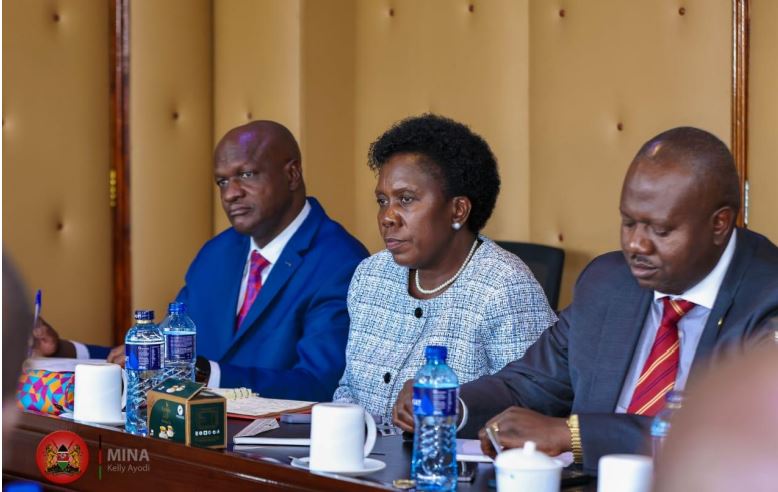
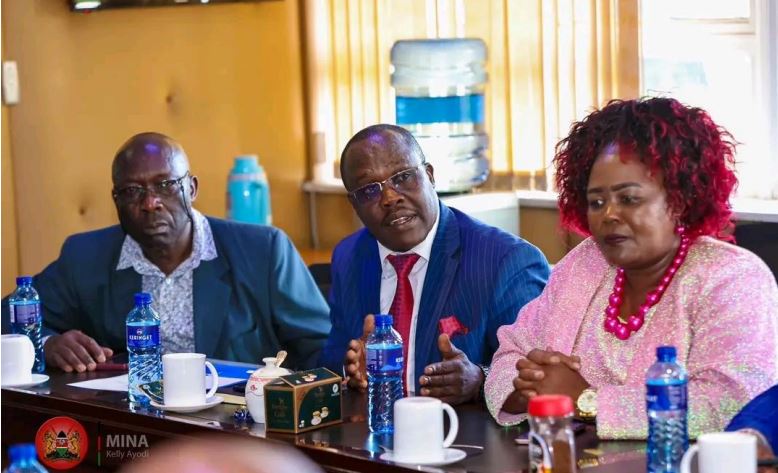
The proposal was arrived at during a meeting between Interior PS Raymond Omollo and representatives from Bars, Hotels, and Liquor Traders Association (BAHLITA) on Friday.
The aim of the meeting was to discuss a collaborative framework between Nacada and its 54,000 licensed members to ensure compliance with existing alcohol control laws and regulations, particularly during the festive season.
BAHLITA in a report on key issues discussed during the meeting and resolutions made said the issue of schools being located near bars was identified as a significant concern.
“Questions were raised about the Ministry of Education's inspection and approval processes for such schools,” the report said.
It was thus agreed that there be coordination between the Ministry of Education and local licensing authorities to ensure compliance.

In alignment with the directives to assess the compliance of bars operating within 300 metres of restricted areas, the stakeholders agreed to take various actions from next week.
“BAHLITA will conduct visits to all 42 counties from next week to verify and document compliance status of bars, regardless of whether they are officially listed or not,” the report said.
It was also agreed that BAHLITA will engage bar owners at county headquarters to gather their input, clarify compliance expectations and address potential challenges.
BAHLITA will then compile a comprehensive defense report detailing the compliance levels, discrepancies observed and necessary corrective actions.
During the meeting, the illegal importation of ethanol was identified as a significant root cause of counterfeit and illicit alcohol.
It was emphasised that this issue should be marked as a high-priority concern with the stakeholders proposing that border surveillance and customs inspection processes be strengthened to curtail illegal ethanol importation.
It was also proposed that severe penalties for those caught engaging in illegal importation be implemented.
“Counterfeit and illicit products continue to undermine legitimate businesses and endanger public health. The group agreed on the need for enhanced measures to address these issues,” the report said.
As a result, it was agreed that stringent tracking and tracing mechanisms for alcohol production and distribution be implemented.
They also agreed to partner with brand protection departments to enhance product authentication processes.
The stakeholders highlighted the need to build capacity and train enforcement officers, community leaders, and relevant personnel to effectively tackle the challenges posed by illicit trade and counterfeit products.
It was thus agreed that regular training sessions and workshops for enforcement teams be conducted.
“Provide technical support to grassroots organisations to empower communities in identifying and reporting illicit activities.”
They noted that the success of addressing illicit alcohol, counterfeit products, and public safety challenges requires a collaborative approach.
The meeting emphasised the need to form partnerships between government agencies, industry stakeholders, and community organisations.
It was recommended that a task force be formed to oversee the implementation of resolutions from the meeting.

Present during the meeting include BAHLITA national chairman Simon Njoroge, Secretary General Boniface Gachoka, Tharaka Nithi County chairman Nicholas Mutua, Nairobi County chairlady Jecinta Gichuku, Uasin Gishu County chairman Holliab Lodenyo and Baringo County chairman Francis Mutai Kebut.