BY ANNA OTHORO
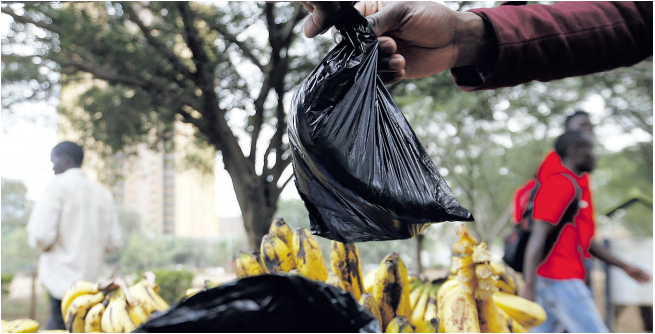
Years after the ban of plastics by several countries, the debate on the use of plastics rages on.
Different schools of thought have emerged on whether there should be a total ban on plastics or some aspects on the use of plastics should be retained.
According to the American Chemistry Council, “plastic is an irreplaceable part of our nation’s economy, contributing to nearly every vital segment of our manufacturing sector… and our lives. It’s essential to creating medical supplies, comfortable housing, personal safety equipment, a safer food supply, clean energy, and our family cars.”
They follow with, “Making and distributing plastic where and when it’s needed is vital to our ability to go places, deliver food, run a business, make a cell phone call, and fight disease. And it helps us drive down greenhouse gas emissions.”
On the other hand, Chris De Armitt’s book, The Plastics Paradox, challenges much of the conventional thinking about plastics and urges us to rethink how we perceive the material.
His message is not to downplay the environmental concerns but rather to equip us with facts and a balanced perspective on how plastics fit into the broader environmental picture.
In today’s world, environmental discussions often centre on the pressing need to reduce pollution, particularly in the form of plastics.
Plastic waste is typically seen as one of the biggest threats to our planet.
However, De Armitt’s book urges us to rethink how we perceive the material.
His message is not to downplay the environmental concerns but rather to equip us with facts and a balanced perspective.
The book emphasises that plastics, when used responsibly, can actually offer more benefits than harm to the environment.
The argument is that much of the public discourse on plastics is driven by misinformation and misconceptions.
For instance, many believe that alternative materials like paper, glass, or metal are automatically better for the environment, but these materials often have a higher carbon footprint and consume more resources in production.
This is what De Armitt refers to as the paradox: while plastics are demonised, they might be more environmentally friendly than the alternatives.
Take, for example, the case of plastic packaging.
It’s lightweight, durable and cost-effective.
Alternatives like glass or aluminium require significantly more energy to produce and transport.
Plastic packaging reduces the weight of goods, lowering transportation and energy use across the supply chain.
One of the most compelling points De Armitt makes is that the problem isn’t plastic itself, but how society handles plastic waste.
Mismanagement, particularly in developing nations, leads to plastic pollution in rivers and oceans.
Therefore, the solution isn’t eliminating plastics altogether but improving global waste management systems, increasing recycling efforts and fostering a more responsible use of plastic products.
De Armitt suggests that with better waste disposal systems, the environmental footprint of plastic can be minimised.
Innovations in recycling, such as turning waste plastic into fuel or creating biodegradable plastics, offer promising solutions that allow society to enjoy the benefits of plastic without the associated harms.
Basically, the author’s message is a call to action, not to rid ourselves of plastics, but to make wise, informed choices about the materials we use.
This involves considering the entire lifecycle of a product—from its production to its disposal.
Plastics, when used in areas like medical technology, food preservation and transportation, provide solutions that can actually help reduce environmental harm.
They often require fewer resources, reduce waste and contribute to lowering carbon emissions when compared to alternatives.
Rather than adopting an “all-or nothing” stance, De Armitt encourages a balanced approach.
By recognising where plastics are indispensable and environmentally preferable, we can focus on optimising their use rather than eliminating them.
Supporting research into plastic recycling and disposal innovations, pushing for policy changes that improve waste management,and encouraging individual responsibility in reducing unnecessary plastic consumption are key steps we can all take.
The book sheds light on the overlooked advantages of plastics while recognising the environmental challenges posed by plastic waste.
By making informed, strategic choices about how and where to use plastics, we can find a middle ground that helps the environment without sacrificing the benefits plastics offer.
De Armitt’s work invites us to rethink the narrative and embrace solutions that are both practical and sustainable.