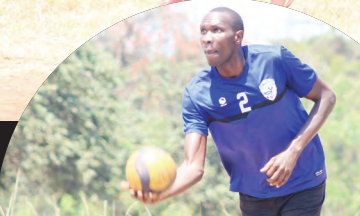
Veteran Wafalme Stars player Michael Chemos is concerned by the perennial neglect suffered by the men’s national team compared to their Malkia Strikers counterparts.
Wafalme have lived in the shadows of the women’s team, locally and internationally.
Chemos has had a lengthy career with Kenya Prisons, Wafalme and international clubs.
The status of the local game has left him wondering how two teams managed by the same federation have such contrasting fortunes.
He believes lack of support is the men’s games’ Achilles heel.
“The men’s team needs more exposure and regular competition which is always lacking. I have been with the national team for close to two decades and have never gotten a chance for a friendly match,” Chemos said.
“We go for a championship one year and then there’s a long gap until the next. Without regular competition, it’s hard for the team to improve and maintain momentum.”
Having played in Japan, Turkey and Tunisia, Chemos finds the lack of facilities another bottleneck to, not only the men’s game but volleyball in general with Wafalme feeling the full blunt due to limited backing.
“In Kenya, we only have one proper indoor gymnasium, while other countries have multiple facilities to train and host matches,” Chemos said.
“We train at Nyayo Stadium, which is unsuitable for volleyball. It’s not up to the standard we need.”
However, he believes the men’s game needs structural changes more than any other support.
He advocates for long training camps to allow the players to build chemistry and harness their tactical nous.
“We need to converge for three or four months and play friendlies with top teams like Cameroon to improve. Residential camps are key since a player may be from Ngong’, another one from Eastlands and it could be draining to bring them together for training daily when called upon,” he said.
Such will be key in players getting scouted by international clubs which will, ultimately, be a plus for the national team.
“When players get international contracts, they bring back valuable skills and experience that lift the whole team. It’s not just about the individual player — the entire country benefits,” he said.
Welfare is another aspect slowing the growth of the men’s game.
While the women’s team enjoys better compensation and sponsorships, the Wafalme always struggle with low pay and inadequate insurance, which affects morale.
“We play because we love the game, but proper support would help us perform at a higher level,” he said.
Chemos says there would be a lot of benefits if Kenya had Wafalme match Malkia’s exploits regionally and internationally.
“When both our teams are strong, it will lift Kenya’s reputation in sports globally. This could open doors for more international tournaments to be held in Kenya, boosting tourism and the economy.”
But, crucially, it is at the youth level where the focus should be domiciled.
“We need to develop U18 and U20 players fora steady supply of talent. The women’s side already has this, but for men’s volleyball, it’s missing,” he said.
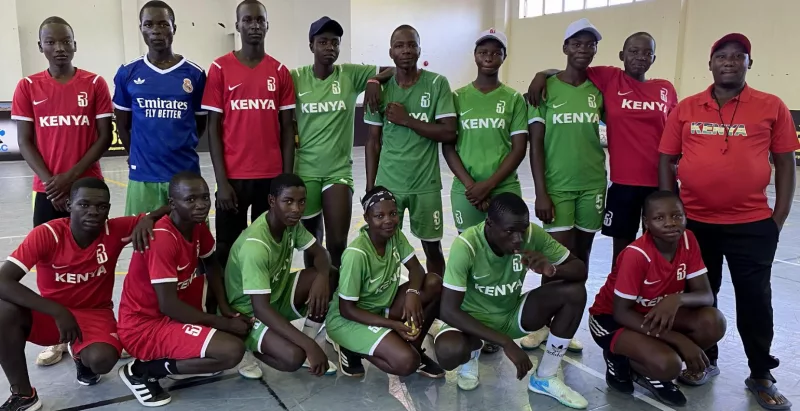
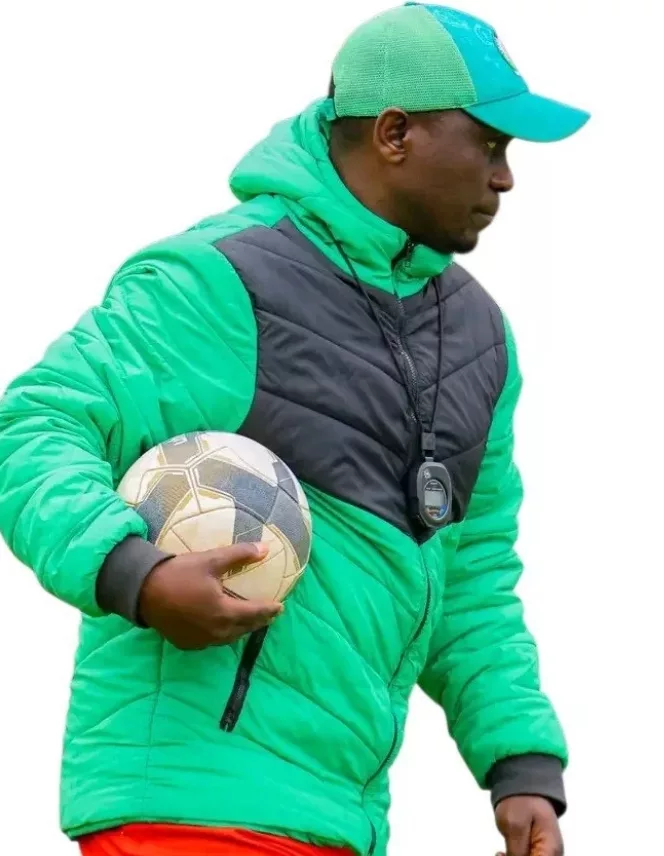
These sentiments are echoed by the national U-18 boys’ volleyball team assistant coach, Geoffrey Omondi, who wants KVF to place greater focus on youth development.
Junior Wafalme were fourth at the African Championships in Tunisia between September 6 and 13 with Omondi observing they trailed well-oiled North African opponents.
The tournament served as World Championships qualifiers.
“I urge the Kenya Volleyball Federation to prioritise the juniors. That’s where all sports begin,” Omondi said.
“When I look at the African competitions, our best opportunity to qualify for the World Championships is through the age-group tournaments.”
And with the KVF season having started this past weekend, Chemos is keen to help Prisons retain the trophy they won last year and contend for the Africa Club Championships in May next year.
“I thank God for where I am. I’m ready to put in the work to help the team,” he said.
He hopes his leadership on and off the court will inspire changes for the men’s game.
“I’ve been away for two years but I can’t underrate the club’s performance. From what I’ve seen in practice, the team is focused and we’re ready for the season,” he said.
Meanwhile, Chemos has hinted at retirement with
his eyes set on a career in coaching.
“My message to young aspiring players out there is
to do the best with what you have at your disposal.
You never know what the future holds,” he said.