Efforts to increase milk production and improve dairy farmers' incomes face growing challenges from high feed costs, seasonal fodder shortages and gaps in agricultural services, according to a new assessment by Heifer International Kenya.
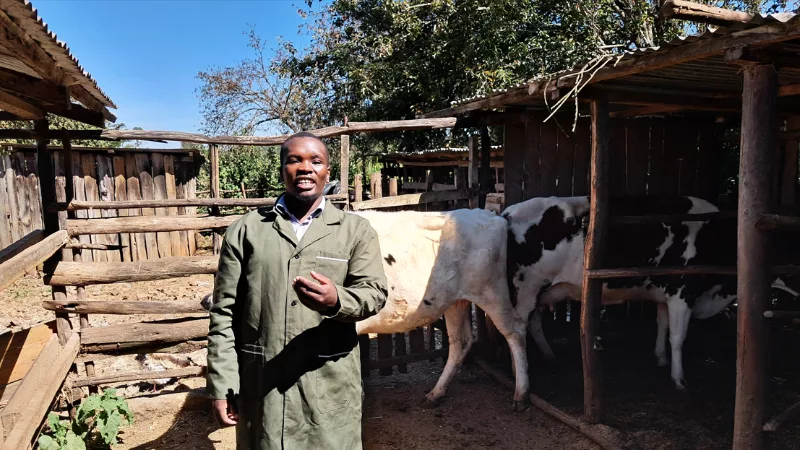
John Kimani, a dairy farmer in Trans Nzoia who has kept cattle for 20 years, says the rising cost and shortage of quality feed are already taking a toll on his production.
Kimani says farmers are increasingly travelling long distances in search of fodder and other animal feeds, pushing up production and transport costs.
He says these challenges have affected milk production. His herd of 23 cows currently produces between 400 and 460 litres daily, down from about 700 litres previously.
“The milk is decreasing because of the cost of food. The current failed maize crop in the region goes far beyond the grain market. For us dairy farmers, maize is an important source of energy in feed rations, while maize by-products are also widely used by feed manufacturers,” he says.
When maize becomes scarce and expensive, dairy farmers face higher feeding costs, while inadequate rainfall further limits the availability of pasture and other fodder.
Kimani's experience reflects some of the challenges identified in Heifer International Kenya's Dairy Value Chain Gap Analysis, which points to feed and fodder availability, agricultural services and market access as critical areas requiring investment to improve the sector's performance.
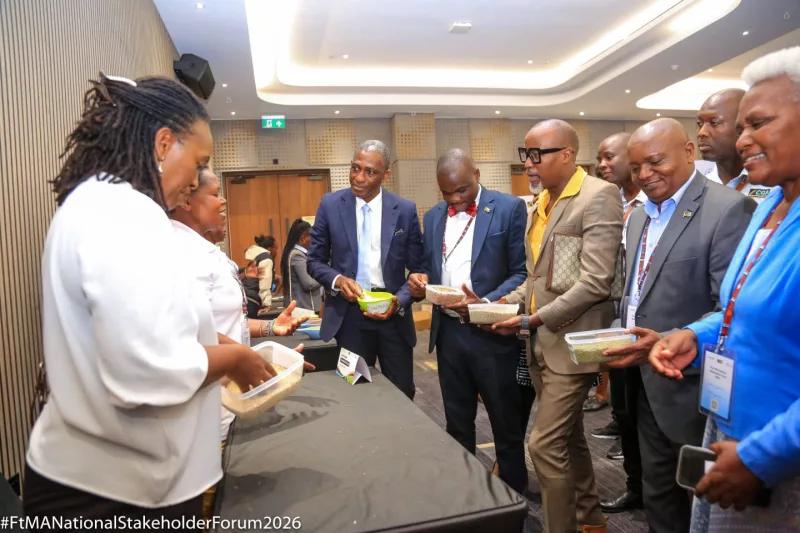
The findings were presented during a media roundtable in Nairobi that brought together journalists, government representatives, researchers, farmers, financial institutions, development partners and private sector players to discuss opportunities for strengthening Kenya's dairy industry.
The assessment comes as the government seeks to boost agricultural productivity and strengthen food systems through the National Agri-food Systems Investment Plan (NASIP 2026-2030). The plan identifies commercial feed production, mechanised fodder production, conservation and storage as key investment priorities for the livestock sector.
Kenya's annual milk production is estimated at between 5.2 billion and 5.76 billion litres, against an estimated domestic demand of 12.76 billion litres, according to the Kenya Dairy Board (KDB).
The Ministry of Agriculture and Livestock Development also estimates an annual national feed availability gap of 30 million tonnes, based on 2021 figures.
The Heifer assessment reviewed dairy interventions across 11 counties, with detailed field assessments in Nyandarua, Embu and Elgeyo Marakwet.
It involved 54 field engagements, including nine farmer focus group discussions and interviews with cooperatives, input suppliers, service providers, processors, financial institutions, government agencies and development partners.
Feed and fodder emerged as a common challenge across the assessed dairy production systems, with farmers facing high costs, seasonal shortages, inconsistent quality and limited access to mechanisation and conservation services.
The study noted that addressing the problem requires more than increasing fodder production at farm level. It calls for investment in businesses and services that can ensure farmers access quality feed throughout the year.
In Nyandarua, smallholder farmers commonly produce between three and 15 litres of milk per cow daily, compared with 25 to 30 litres on well-managed intensive farms. In Embu, high feed costs, small land holdings and concerns over feed quality affect production costs and profitability. In Elgeyo Marakwet, seasonal feed shortages, limited veterinary and breeding services and inadequate market infrastructure constrain dairy development.
Beyond feed, the assessment identifies unpredictable milk prices and delayed payments as additional challenges affecting farmers' ability to invest in their enterprises.
Luke Kesei, a dairy farmer from Ainabkoi, Uasin Gishu County, says uncertainty over milk prices makes it difficult for farmers to plan and invest in better feeding systems.
“Uncertainty in milk prices makes it difficult for farmers to plan and invest in feed and fodder production. Access to affordable financing, mechanisation and extension services is equally important if we are to improve productivity and make dairy farming more profitable,” he says.
The assessment also raises concerns over milk marketing arrangements, particularly delayed payments through cooperatives and processors.
In Nyandarua, some farmers reported waiting between 30 and 60 days to receive payments, while informal buyers often pay immediately.
Wairimu Munyinyi-Wahome, Country Director of Heifer International Kenya, said securing feed and fodder supplies is central to improving dairy productivity, farmers' incomes and the resilience of food systems.
“This assessment gives us an opportunity to move beyond identifying challenges and focus on practical solutions through research, innovation, investment and stronger partnerships. We are already seeing communities take the lead in building resilience, and our responsibility is to strengthen the systems and opportunities that enable them to succeed,” she said.
The assessment recommended increased investment in commercially viable feed and fodder enterprises, improved conservation and mechanisation services, and better access to quality inputs and water.
It also called for stronger veterinary, breeding and advisory services, expanded cooperative services, improved milk cooling and marketing arrangements, and affordable financing tailored to dairy farmers and agricultural enterprises.
Paul Ndungu, representing the Kenya Dairy Board and the State Department for Livestock Development, said strengthening the sector requires coordinated efforts across the entire value chain.
“Government, development partners, processors, farmers and the media must work together to strengthen the dairy value chain. Our efforts need to go beyond feed production to include conservation, storage, distribution and market access. Stronger partnerships will be essential to addressing these challenges and improving dairy productivity,” he said.
The assessment called for stronger collaboration among government agencies, farmers, cooperatives, researchers, financial institutions and private enterprises to build a more productive, inclusive and climate-resilient dairy sector.