At the Loiyangalani Desert Museum, the story of Northern Kenya is told through objects that might appear ordinary to an outsider but carry generations of history for the communities that call the region home.
Beaded ornaments, traditional clothing, household utensils, fishing equipment and other cultural artefacts offer a glimpse into how people have lived, worked, raised families and preserved their identities in one of Kenya's harshest environments.
Some ornaments tell a story of marriage and family.
Others reflect a community's way of life, its beliefs and its relationship with the land and water around it.
For married women in some of the communities, jewellery serves as a marker of marital status in traditions where wedding rings are not customary.
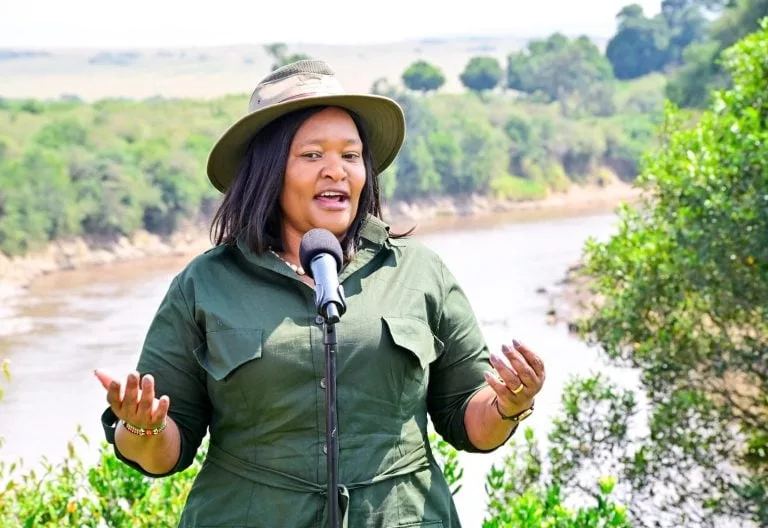
It is this kind of cultural detail that Sarah Elema, who runs Destination Management Company, believes could make Northern Kenya one of the country's most distinctive tourism destinations.
“People need to come and experience the culture,” she says, arguing that the region offers a tourism product that cannot easily be replicated elsewhere.
Elema has been working with tourism stakeholders, including the Kenya Tourism Board (KTB) and the Kenya Wildlife Service (KWS), to promote Marsabit and bring greater attention to its attractions.
For her, the opportunity lies in presenting Northern Kenya not simply as a place of dramatic landscapes but as a destination where visitors can experience living traditions, indigenous architecture, local food and the everyday lives of communities whose stories are often overlooked.
“People should see Northern Kenya as an adventure and a cultural tourism destination,” Elema says.
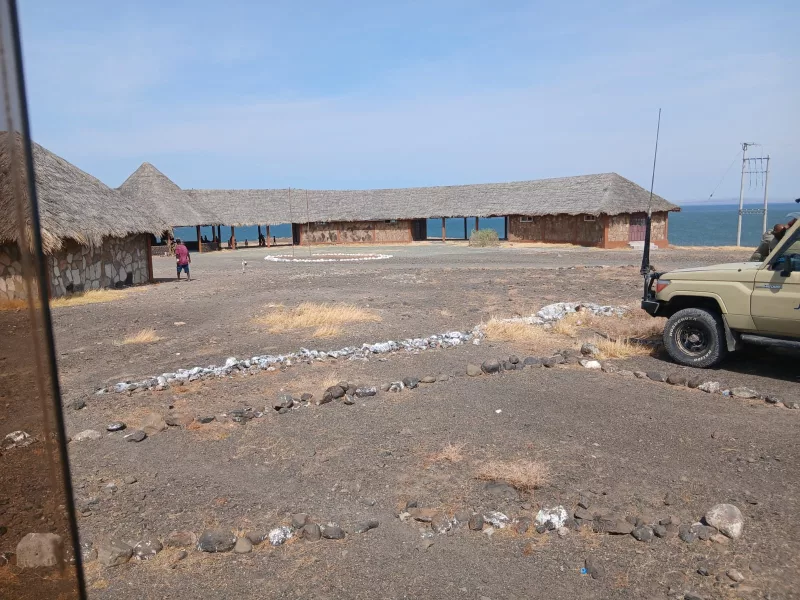
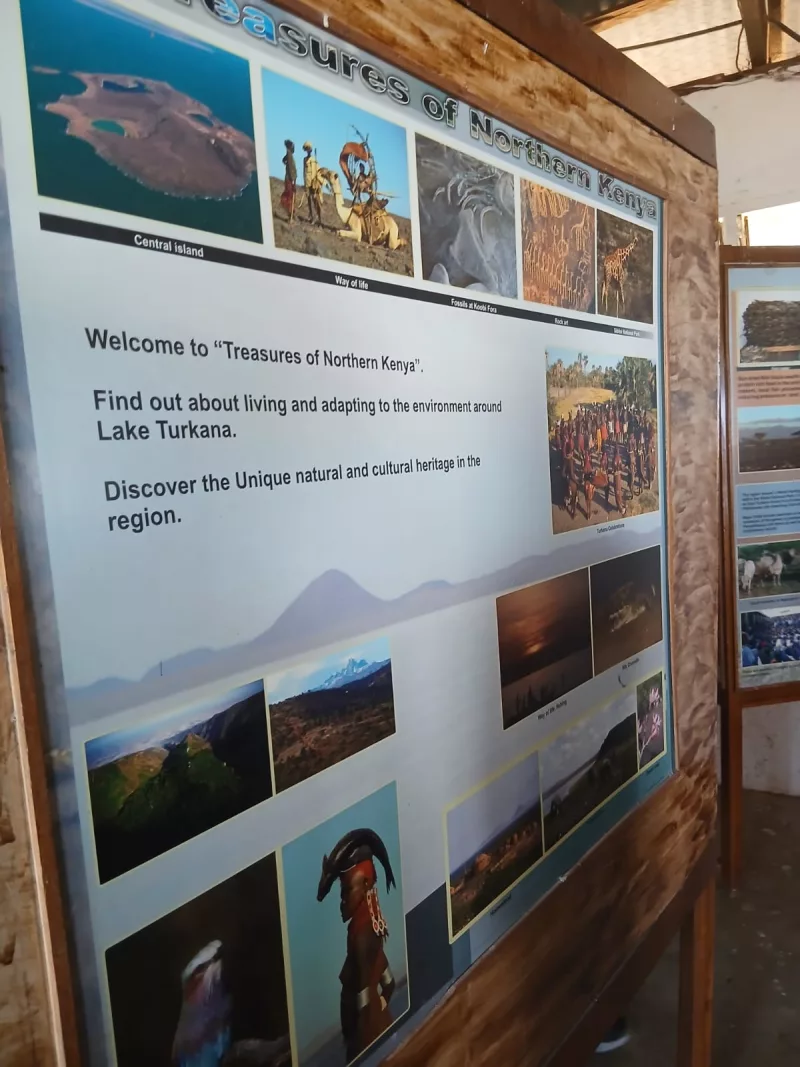
The Loiyangalani Desert Museum, overlooking the southeastern shores of Lake Turkana in Marsabit County, offers a natural starting point for that journey.
Managed by the National Museums of Kenya (NMK), the museum preserves and presents the cultural heritage of communities living around the Lake Turkana basin.
Its collections document the lives of the El Molo, Turkana, Samburu, Rendille, Gabra, Borana, Dassanech and Watta communities.
The museum was opened in June 2008, providing a place where traditions that have long been passed down through families could be documented and shared with visitors
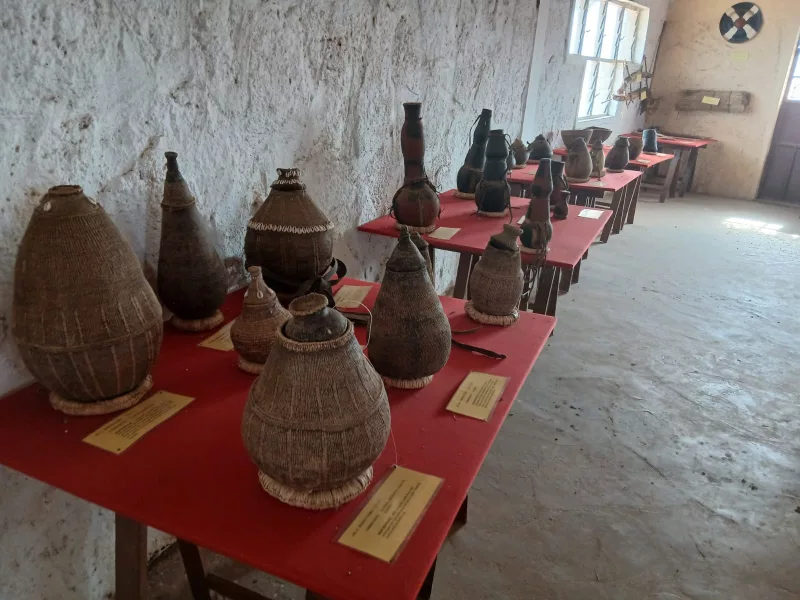
Its displays include traditional fishing equipment, musical instruments, beadwork, baskets, leatherwork, ceremonial objects and household tools.
Photographs and educational exhibits help explain how communities have adapted their livelihoods to an environment shaped by intense heat, limited rainfall and scarce water.
Traditional homesteads and indigenous architectural displays further demonstrate how people designed their homes around local materials, climate and ways of life.
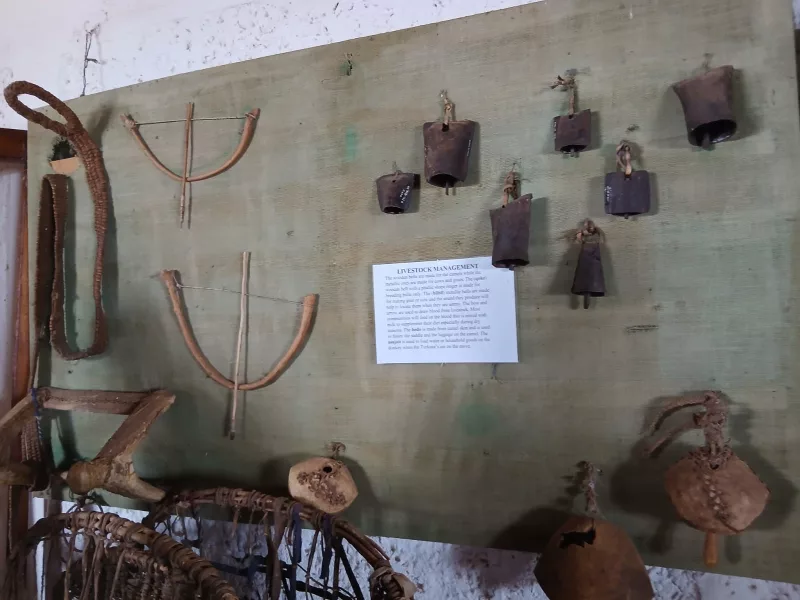
The museum also tells a broader story about the relationship between people and their surroundings, from fishing on Lake Turkana to pastoralism and the management of resources in an arid landscape.
Loiyangalani itself takes its name from a Samburu word commonly translated as “a place of many trees”.
The settlement grew around a freshwater spring, making it an important oasis in the dry region.
The town is also known for its position beside Lake Turkana, whose blue-green waters have earned it the nickname the Jade Sea.
But for Elema, the experience should not end at the museum doors.
She wants visitors to venture beyond the displays and encounter the communities whose heritage is represented there.
“We should not go the modern way and lose what makes us unique,” she says, advocating for accommodation that incorporates traditional designs, locally prepared food and opportunities for guests to engage with residents.
“Let people come and experience the culture, the food and the way of life,” she says.
Homestays and cultural safaris, she argues, could complement the area's natural attractions while creating income for communities.
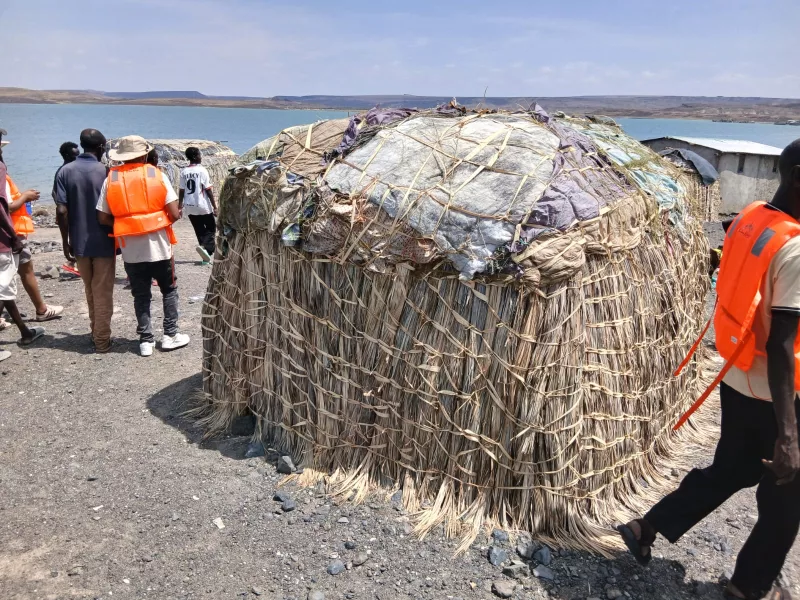
A boat ride to Komote Island, for instance, offers an opportunity to meet members of the El Molo community and learn about a way of life historically closely connected to fishing.
On the island, a youth representative Severio Lenapir guides visitors through the settlement, explaining aspects of daily life, the community's traditions and its relationship with the lake.
For generations, fishing has been central to the El Molo's livelihood.
The lake has provided food and shaped social and cultural practices, while traditional beliefs and community gatherings continue to form part of their heritage.
Visitors can learn about the community's living spaces, cultural practices and sacred sites, gaining a perspective that goes beyond what photographs and museum displays can convey.
“Fishing has been an important part of our way of life for generations. When we receive visitors, we want them to understand how the lake has shaped our livelihood, our culture and our identity as a community,” Lenapir explains in an interview at Komote Island.
El Molo is believed to have migrated from Ethiopia to the Turkana Basin around 1000 BC.
From just a group of 99 people, Lenapir says their population has now grown to 1,250.
In terms of tourists, he says the community receives visitors periodically, giving residents an opportunity to share their history and traditions.
Such encounters could become an important part of cultural tourism in Northern Kenya, particularly if local communities are involved in organising experiences and benefit directly from the visitors they attract.
“When visitors come to Kamote Island, they have an opportunity to see how we live, learn about our traditions and understand our relationship with Lake Turkana,” he says.
For Elema, that also means rethinking how accommodation and tourism services are developed.
She argues that establishments should resist the temptation to make every visitor experience look the same, instead preserving the character of the region through traditional design, locally prepared food and opportunities for guests to engage with residents.
Homestays and cultural safaris, she says, could complement the area's natural attractions while creating income for communities.
The wider journey through Marsabit offers another layer of discovery.
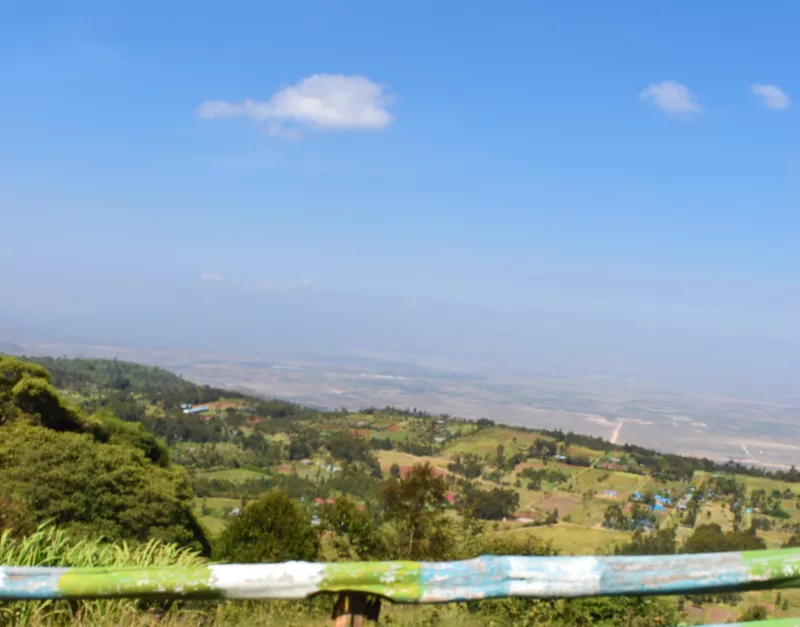
Travelling through the region, visitors encounter vast open spaces, volcanic rock formations and settlements that appear against an expansive landscape.
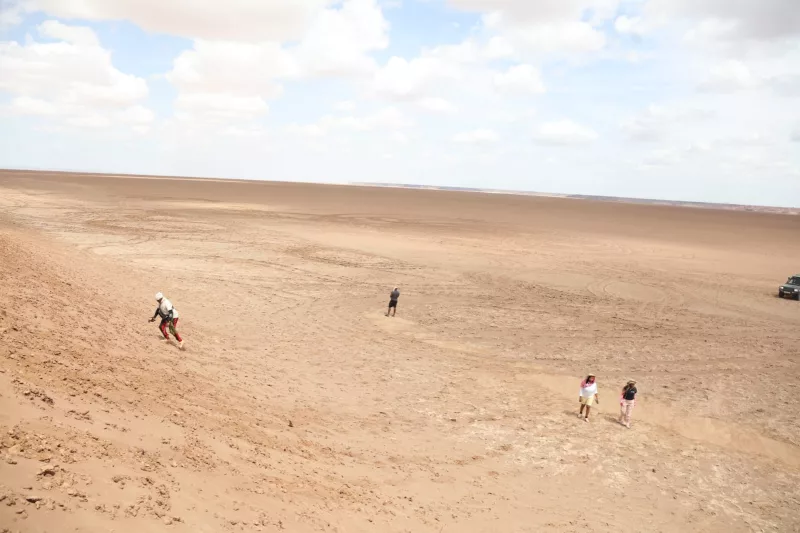
The route takes in the Lake Turkana Wind Power project before opening into the stark beauty of the Chalbi Desert near North Horr.
Here, the landscape changes dramatically.
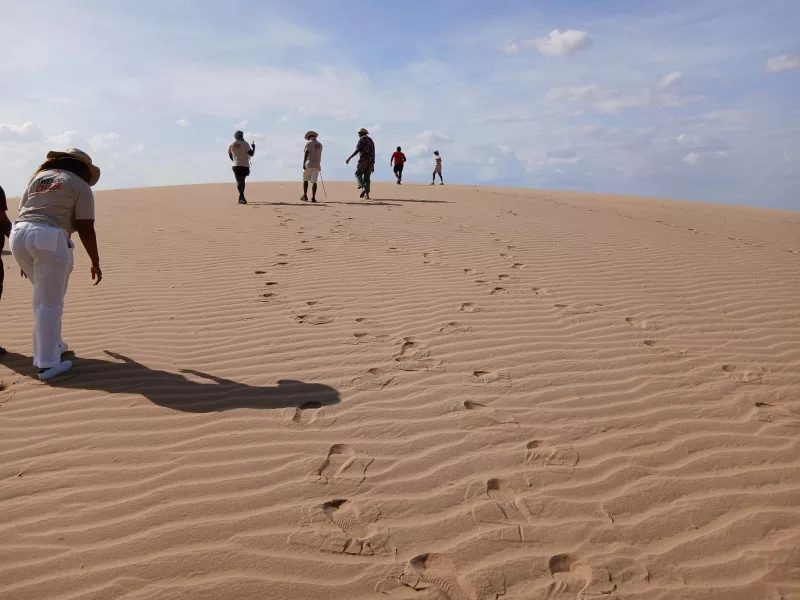
The desert's wide, dry expanses and shifting terrain provide a striking contrast to the blue waters of Lake Turkana and the communities clustered around sources of water.
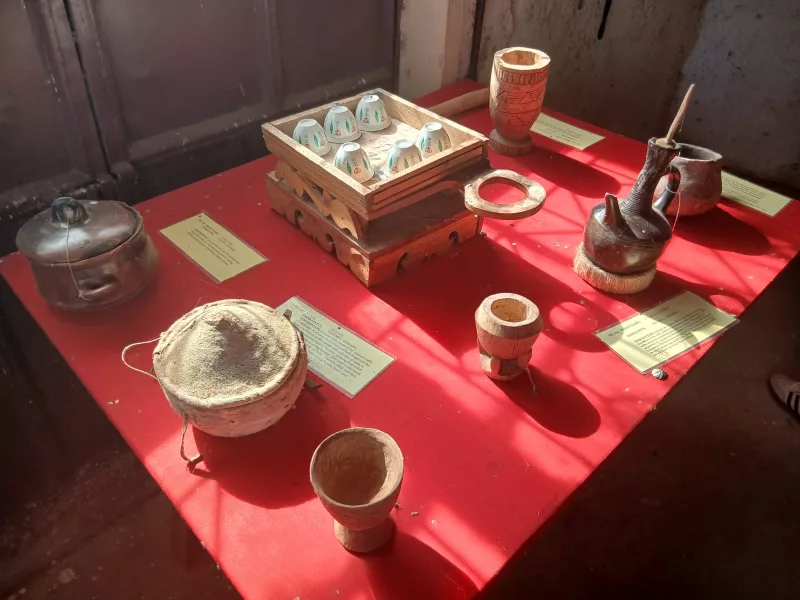
These experiences could be further strengthened by festivals that bring communities together to celebrate their identities.
The annual Lake Turkana Cultural Festival, first held in 2008 alongside the opening of the museum, provides a platform for communities around the lake to showcase traditional music, dance, dress, food, crafts and storytelling.
The festival also creates opportunities for cultural exchange among communities whose livelihoods and histories have developed in the same challenging environment.
Such gatherings can help preserve traditions while opening up new opportunities for artisans, performers, accommodation providers and other local businesses.
Elema also points to cultural activities in Loyangalani and events in Kalacha, including a planned gathering from December 2 to 4, as opportunities to attract visitors interested in experiences beyond conventional wildlife safaris.
The challenge, however, is turning that potential into a reliable tourism market.
Northern Kenya's vast distances, limited tourism infrastructure in some areas and the cost of reaching remote attractions can make it difficult for visitors to plan trips.
Developing coordinated itineraries, suitable accommodation and partnerships with local operators will be important if the region is to attract more travellers.
The Kenya Tourism Board (KTB) is seeking to address part of that challenge through its Hapa Ni Wapi Sales Conversion Campaign, which aims to turn interest in domestic destinations into actual bookings.
The initiative works with tour operators, county governments and other tourism stakeholders to develop affordable, ready-to-book packages that make it easier for Kenyans to explore destinations within the country.
Northern Kenya, including Samburu and the Chalbi Desert, forms part of the wider opportunity to diversify domestic tourism beyond the country's better-known attractions.
KTB chief executive June Chepkemei has set a target of increasing domestic bed nights from 5.15 million in the 2025/26 financial year to 5.6 million in the current financial year.
Achieving that growth will require destinations to offer experiences that persuade visitors to stay longer, return and recommend their trips to others.
For Northern Kenya, cultural tourism could provide that reason.
The region's appeal lies not in one attraction alone but in the combination of landscapes, community traditions, indigenous knowledge, food, architecture and living history.
At the Loiyangalani Desert Museum, artefacts preserve memories of generations past.
On Komote Island, the El Molo community offers visitors a chance to encounter traditions shaped by the lake. Across the wider circuit, the Chalbi Desert and Kalacha's historic church reveal different facets of a region whose tourism potential extends well beyond its remote location.
Elema believes that potential can be unlocked by presenting Northern Kenya on its own terms, not by changing its character to fit a standard tourism model, but by protecting what makes it distinctive.
“We want people to come to Marsabit not just to see Lake Turkana or the Chalbi Desert, but also to interact with the communities and understand their heritage. There is a story behind every cultural item, every tradition and every community, and those stories are part of what makes this destination unique,” she says.
The task ahead is to ensure that cultural experiences are developed respectfully, communities remain central to their presentation and tourism income reaches the people whose heritage attracts visitors.
If that balance can be achieved, Northern Kenya could offer a different kind of Kenyan safari, one in which the journey is measured not only by the landscapes crossed, but also by the people met and the stories carried home.