The Murang’a County Government has unveiled a 10-year agroecology strategy linking sustainable farming to school feeding and community nutrition. The aim is to restore soil health, improve food safety and create reliable markets for farmers.
The plan provides a framework for implementing agroecology through county programmes, with a focus on regenerative agriculture, organic inputs, diversified food production and stronger links between farmers, schools and health services.
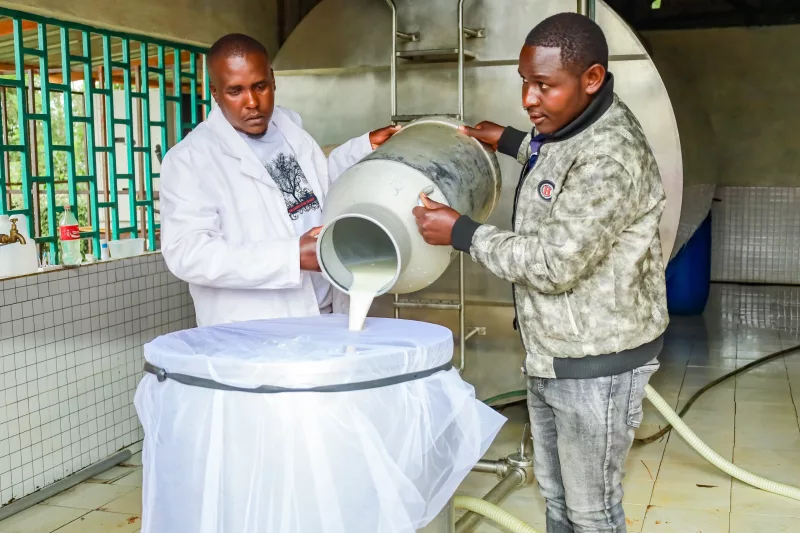
The county is also looking to connect its school feeding programme to local agricultural production, with plans to supply food to about 215,000 learners starting next year while creating market opportunities for smallholder farmers.
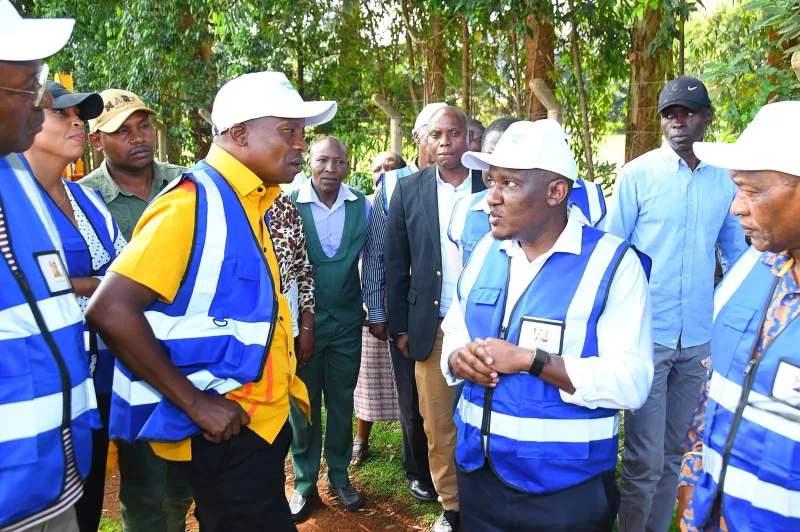
Agroecology CEC Kiringai Kamau said the strategy will address declining soil fertility and concerns about farming practices that could affect food safety.
“One of the biggest challenges that we have faced is that we have many non-communicable diseases that are associated with agrochemicals and we also have a challenge of productivity because our soils are weak,” he said.
Kamau said the county was working with the Rockefeller Foundation on digital soil-testing technology that can diagnose soil conditions within minutes and recommend the nutrients required to improve productivity.
The technology is expected to be availed to young people through village-level local enterprise and services hubs, enabling them to offer soil-testing and agricultural extension services to farmers.
“We want to make this technology available to all the youths that will be in what we are calling local enterprise and services hubs at the village level so that they can be able to offer extension,” he noted.
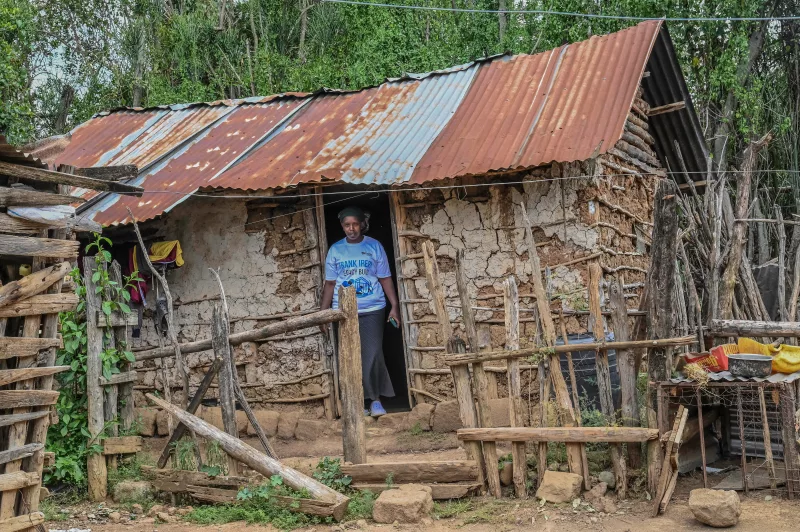
The strategy also proposes linking agroecological production to nutrition and community health through initiatives such as Food Farmacies.
The farmacies will connect households identified as needing nutritional support to locally sourced food supplied through cooperatives, farm hubs and verified producer groups.
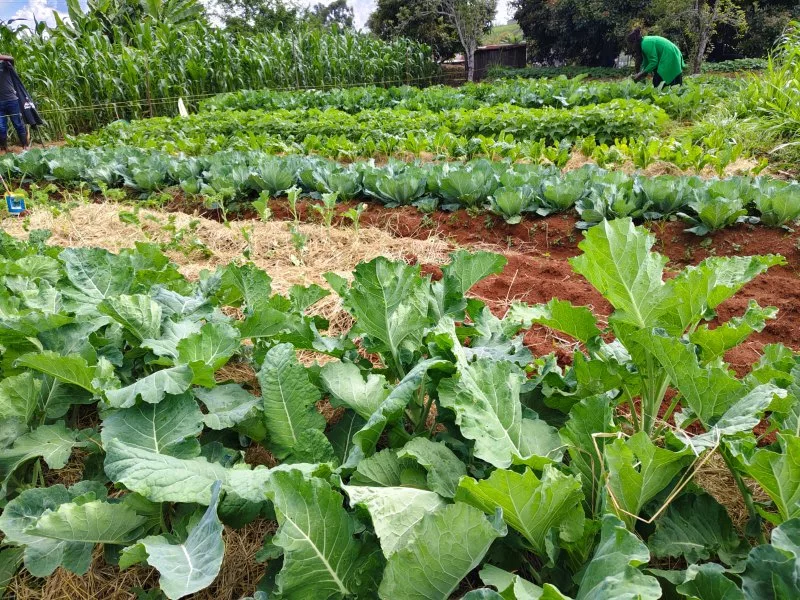
School meals are also expected to play a central role, with menus guided by nutritional requirements, dietary diversity, food safety standards and the availability of locally produced food.
The county has also established a demonstration farm where university students can undertake practical training, while farmers are being encouraged to use manure and compost made from locally available materials to restore soil fertility.
Betty Kibara, a director at the Rockefeller Foundation, said the organisation had supported the agroecology initiative through Participatory Ecological Land Use Management (PELUM) Kenya and welcomed the county's commitment to connecting sustainable agriculture with school feeding.
She said the relationship between agroecology and school meals was central to the investment, as it could improve nutrition while creating demand for food produced using sustainable farming practices.
Kibara said the foundation will partner with the county government to explore ways of converting organic waste into agricultural inputs at the Gikono landfill.
Organic waste from discarded fruits and other materials can be processed into bio-inputs, including through technologies that use black soldier fly larvae to convert waste into fertiliser.
“If we can convert that to bio-inputs, which have been certified by KEBS, then that can actually go into the subsidy programme that is already being implemented,” she noted.
The proposed initiative could help reduce waste-related greenhouse gas emissions while providing farmers with alternative inputs.
Gathuru Mburu of the Institute for Culture and Ecology said the strategic plan was the latest step in efforts to establish a framework for implementing agroecology in Murang’a.
He noted that the county had previously developed an agroecology policy and was supporting frameworks for resource mobilisation, monitoring and coordination.
The new plan would provide direction on implementation over the next decade.
Mburu said several organisations had worked with the county government and local communities to advance agroecology, including PELUM Kenya, the Organic Agriculture Centre of Kenya and the Green Belt Initiative, among others.
He said ongoing programmes included school gardens, community production of biological inputs and organic farming, with the next phase focusing on helping farmers organise collectively to market their produce.
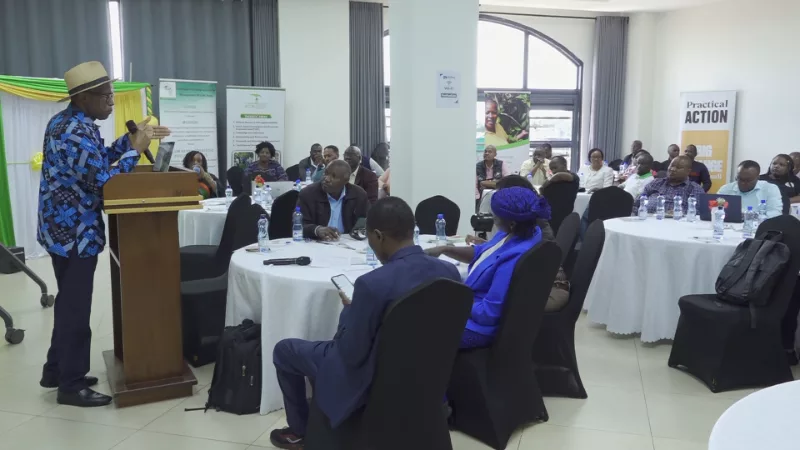
Diana Mwangi, a PELUM Kenya official, said the organisation was implementing an agroecology project in Murang’a with support from the Rockefeller Foundation. PELUM Kenya has 74 member organisations working with smallholder farmers, pastoralists and fisherfolk.
The project works with 4K Clubs to help learners understand where their food comes from and demonstrate the economic opportunities available in agriculture, while linking farmers to schools as potential suppliers.
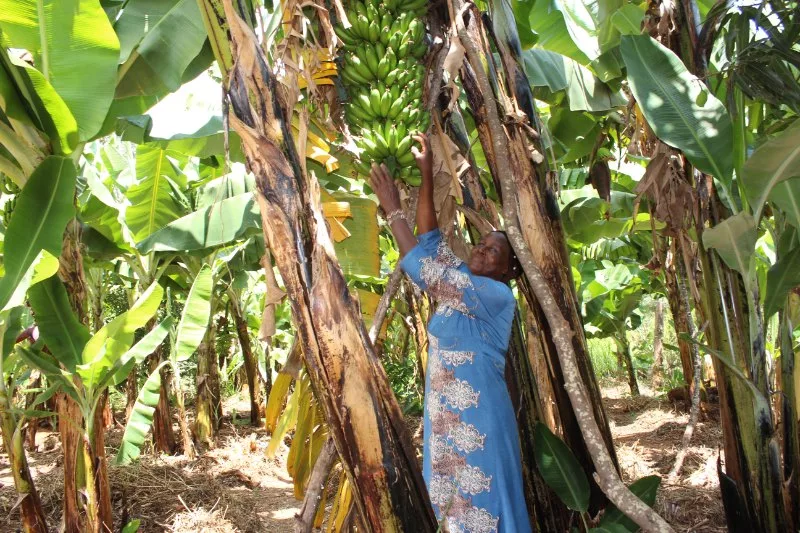
Mwangi observed that agroecology could improve soil health, promote crop diversity and strengthen nutrition by encouraging the production of a wider range of healthy foods.
She urged farmers to embrace sustainable farming practices and introduce younger generations to the benefits of agroecology.
“We are now moving from the policy to action and planning, and showing evidence that agroecology is the way to go,” she said.
She urged county governments to incorporate agroecology into their annual development plans and allocate budgets for implementation, while calling on development partners to support the strategy.
The plan also seeks to strengthen the link between agriculture and health by promoting dietary diversity, food safety and the responsible cultivation of medicinal plants, while protecting indigenous knowledge and encouraging research into traditional, complementary and integrative medicine.
Ends
Instant Analysis
County Executive Committee Member for Agroecology Kiringai Kamau noted that the strategy would help address declining soil fertility and concerns about farming practices that could affect food safety.
The strategy also proposes linking agroecological production to nutrition and community health through initiatives such as Food Farmacies, which would connect households identified as needing nutritional support to locally sourced food supplied through cooperatives, farm hubs and verified producer groups.