Nyandarua county is one of Kenya’s leading agricultural producers, generating an estimated Sh210.7 billion in gross county product and accounting for 4.5 per cent of the country’s agricultural value.
Yet, for some families, this agricultural abundance does not always translate into diverse and nutritious meals.
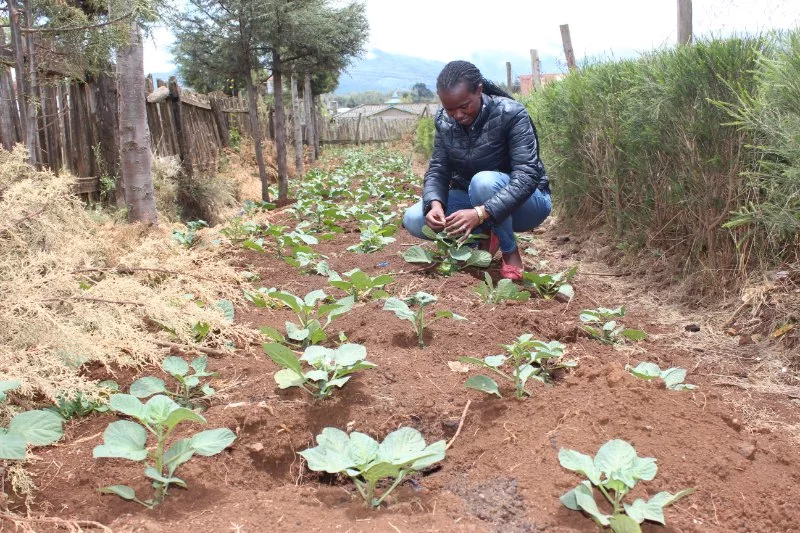
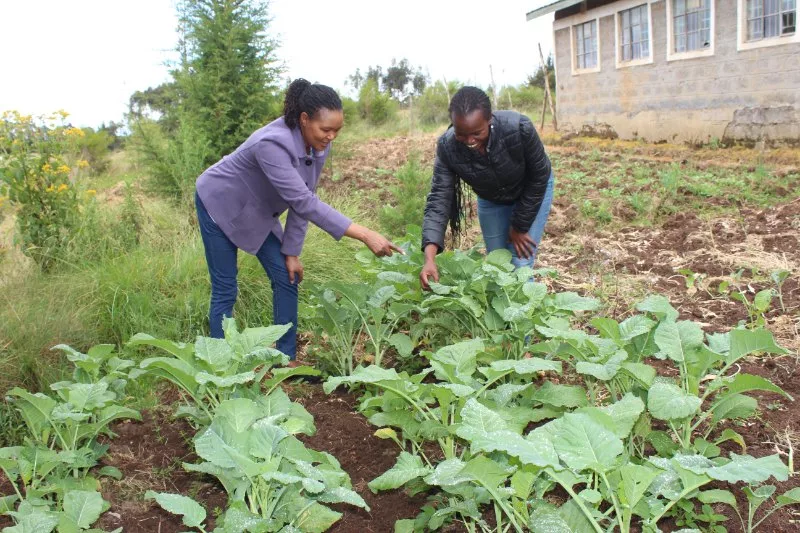
In three comprehensive schools, vegetable gardens established under a farming initiative are helping bridge that gap by providing fresh produce for households while teaching learners how to grow, prepare and preserve nutritious food.
At Munyaka Comprehensive School, harvest days have become eagerly anticipated occasions as learners take home bundles of vegetables to supplement their families’ meals.
For Peninah Wanjiru, a parent of two children in Grade 2 and Grade 9, the initiative has transformed her family’s eating habits, introducing traditional African vegetables and healthier cooking practices.
Previously, her family relied largely on ugali served with kale or spinach. Today, African nightshade, locally known as managu, amaranth (terere) and African spider plant (saget) have become familiar ingredients in their meals.
“My children come home with the information and tell me, ‘Mom, that’s not the way to do it. You will kill all the nutrients.’ They have become ambassadors of the project,” Wanjiru said.
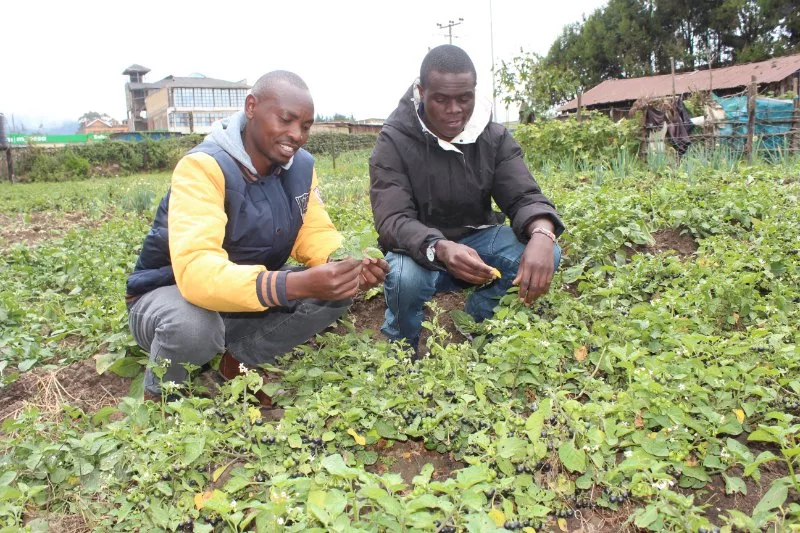
Inspired by her children, she has established a small vegetable garden at home to ensure her family has access to fresh greens beyond the produce they bring from school.
“I personally cannot eat anything without greens anymore,” she added.
The school gardens are part of the Taiwan–Africa Vegetable Initiative Phase II, running from 2025 to 2027, supported by the government of Taiwan and implemented by the World Vegetable Centre in collaboration with local partners.
In Nyandarua, the initiative works with Munyaka, Kiahuho and Chania comprehensive schools, where boards of management allocated land for vegetable production following approval from the Ministry of Education.
The programme seeks to equip learners with practical agricultural skills, promote traditional African vegetables and encourage households to embrace more diverse and nutritious diets.
Caroline Mwaniki, a field project officer with the World Vegetable Centre, said that learners and teachers receive practical training in nursery establishment, seed preparation, transplanting, mulching, watering, composting and crop management.
They also learn seed-saving techniques, including selecting suitable plants, collecting and cleaning seeds, drying them and storing them properly to support future planting.
Some learners receive seeds to establish gardens at home, helping extend the benefits of the initiative beyond school compounds.
For many households in Nyandarua, potatoes, cabbages and other commonly grown crops have traditionally dominated meals. Indigenous vegetables, although familiar in some communities, have sometimes been overlooked or associated with particular cultural groups.
Through gardening and nutrition education, learners are encouraging their families to rediscover these vegetables and explore healthier ways of preparing meals.
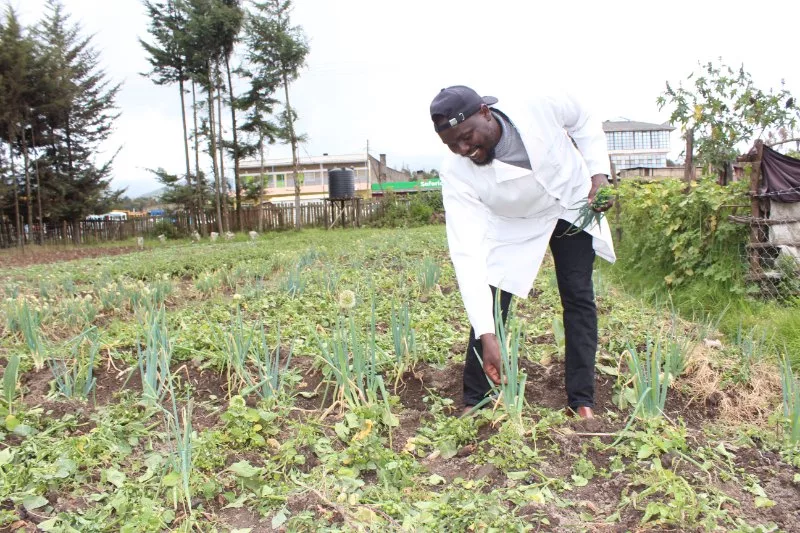
Wanjiru said that the lessons had also changed how her family combines different foods.
“We have also learnt to separate our meals. We were used to mixing githeri with potatoes and cabbage. Now we prepare githeri and greens separately,” she added.
She also expressed concern about the burden of non-communicable diseases (NCDs) in the county, stressing the importance of greater awareness of healthy eating and balanced diets.
In November last year, Governor Kiarie Badilisha expressed concern that NCDs accounted for 30 percent of all hospital admissions.
At Kiahuho Comprehensive School, the gardens are providing practical learning opportunities for children whose families face economic challenges.
Deputy headteacher Harrison Mwaura said that many parents in the area depend on casual employment, making it difficult for some households to consistently provide varied meals.
Agriculture teacher Peter Mwangi said that parents had welcomed the vegetables grown at the school, with some learners taking fresh produce home to supplement family meals.
The gardens also enable learners to apply classroom lessons through practical activities, from preparing planting beds and managing crops to harvesting vegetables and saving seeds.
At Chania Comprehensive School, vegetables grown through the initiative supplement meals provided under a school feeding programme supported by Flying Kites.
The fresh produce is served alongside staple foods such as rice and beans, helping improve the variety of meals available to learners.
Agriculture teacher Sam Wanyeki said that the school had begun experimenting with vegetable production before seeking technical guidance from the World Vegetable Centre.
Learners were organised into nine teams, each responsible for managing a kitchen garden. The school subsequently introduced traditional African vegetables, including amaranth and African nightshade, to support its feeding programme.
Wanyeki believes the practical experience can inspire learners to establish gardens at home and encourage their families to grow more vegetables.
He recalled visiting one learner’s home and finding vegetables growing in old tyres suspended on a post, an improvised gardening method that demonstrated how classroom lessons were being applied beyond school.
“Kinangop is known for cabbages and potatoes. Before the project, it was very rare to find a home randomly cooking the greener vegetables,” he said.
Beyond promoting vegetable production, the initiative seeks to challenge perceptions that traditional African vegetables are inferior to other crops or are intended mainly for poorer households.
Caroline Wangungu, an agronomist and project manager at the World Vegetable Centre, said that many households rely heavily on staple foods, while indigenous vegetables are sometimes grown primarily for sale rather than family consumption.
The initiative is also complemented by the Greener Greens project, another World Vegetable Centre programme funded by the BioVision Foundation which aims to improve the production, quality and marketability of traditional African leafy vegetables while reducing chemical inputs.
The project began in Murang’a in 2021 before expanding to Nyandarua and is scheduled to run until 2027. While TAVI leads the school garden activities, Greener Greens supports the broader promotion of traditional African vegetables, including through linkages with local farmers.
At Munyaka Comprehensive School, teacher Margaret King’ori said that learners eagerly anticipate harvest days and regularly ask when they will next take vegetables home.
Teachers organise the distribution according to the available harvest, taking household circumstances into consideration to ensure that families benefit from the produce.
“We use the order of the classrooms to know which learners will harvest the vegetables. For example, we can start with grades three, two, one, then go to four, all the way to nine,” she explained.
For households facing financial difficulties, the vegetables provide an additional source of fresh food, although the quantities available depend on production levels and the school’s own needs.
Despite the progress, the initiative faces challenges that could limit its expansion and sustainability.
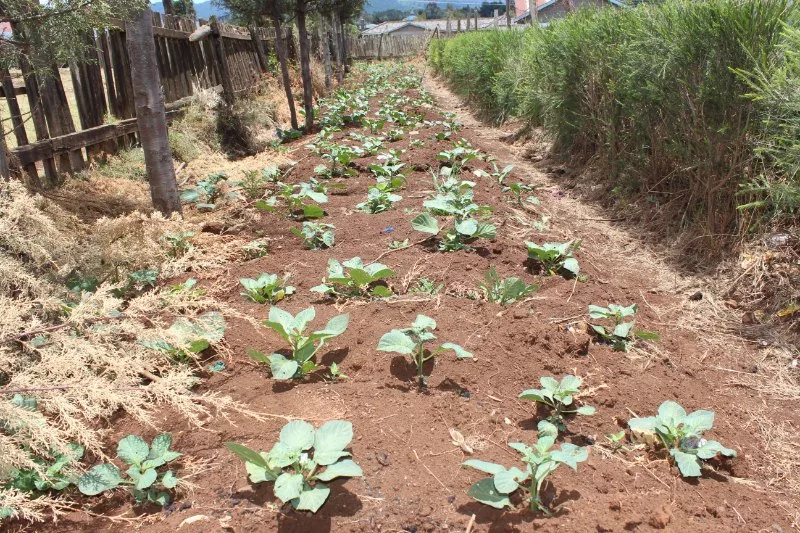
Unreliable water supplies remain a major constraint, with some schools experiencing periods of up to two weeks without sufficient water for irrigation.
During such periods, schools are forced to prioritise drinking water and other essential needs, affecting the maintenance of their gardens.
Nyandarua’s relatively cool climate also limits the suitability of some vegetable varieties, requiring careful crop selection and appropriate farming practices.
Changing established dietary habits presents another challenge, with Wanjiru noting that some older family members remain attached to familiar foods.
Vegetables are also sometimes viewed primarily as cash crops rather than essential components of household diets, making nutrition education important in encouraging families to consume what they grow.
Teachers have expressed interest in having similar initiatives introduced in more schools to enable additional learners and households to benefit from practical agricultural training and nutrition education.
For Wanjiru, the impact is already evident in her kitchen and the small garden she has established at home.
Her children are bringing home more than freshly harvested vegetables. They are sharing knowledge about food preparation, encouraging healthier cooking practices and influencing what their family grows and eats.
Through the school gardens, lessons on agriculture and nutrition are gradually extending into households, helping families make greater use of traditional African vegetables and improve the diversity of their meals.
Instant analysis
Harvest days have become eagerly anticipated occasions as learners take home bundles of vegetables to supplement their families’ meals. Many families' staple food includes cabbages and potatoes that are widely grown in the county, exposing residents to malnutrition. Through school gardens, parents are provided with indigenous vegetables that have changed their diets.