
Media personality Andrew Kibe has issued a stern warning to Kenya’s political leaders, insisting that the country’s next general election should be livestreamed to promote transparency and prevent suspicions of electoral malpractice.
In a statement shared during his podcast, Kibe challenged members of Parliament and other leaders who may oppose citizens livestreaming the electoral process, arguing that Kenyans should be allowed to document events as they unfold.
The outspoken media personality warned that denying citizens the opportunity to livestream the elections could trigger public anger, particularly among those who believe transparency is necessary to safeguard the credibility of election results.
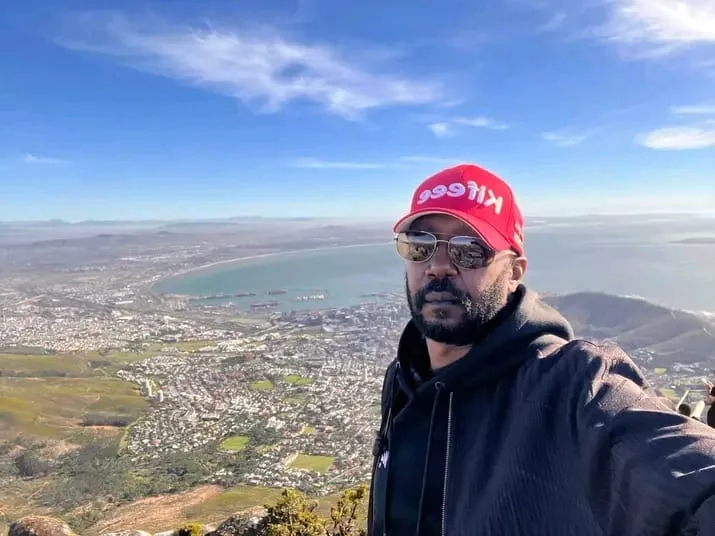
“You guys telling us we cannot livestream the election, you are going to burn this country. Please understand what I'm telling you,” Kibe said.
His remarks come amid ongoing conversations about electoral transparency, accountability and the role technology can play in ensuring that Kenyans have confidence in the voting process.
Andrew Kibe Warns Politicians Against Blocking Livestreaming
Kibe directly addressed members of Parliament, warning them against making decisions that could prevent Kenyans from recording election-related activities.
“You parliament people do not make that mistake of thinking you can stop something like this, it's impossible,” he stated.
He further suggested that opposition to livestreaming would raise questions about the intentions of those resisting the idea.
“If you say we cannot livestream then you are crooks! Na hiyo hatuwezi itikia, we cannot allow,” Kibe declared.
The media personality maintained that livestreaming has become a common feature of modern communication, questioning why citizens should be prevented from using their phones to capture events during an election.
Kibe Says Kenyans Should Livestream Polling Stations
Expounding on his argument, Kibe pointed to the widespread use of livestreaming in news coverage and public communication, insisting that election activities should not be exempt from public scrutiny.

“Livestreaming is everywhere, what do you think the news is about? It's about livestream,” he said.
He questioned why Kenyans should not be allowed to livestream election proceedings using their mobile phones, arguing that citizens should have the freedom to document public events.
“So you guys don't want us to livestream with our phone? No! No! No!” Kibe exclaimed.
He also challenged leaders to be transparent about their intentions, suggesting that opposition to the practice could fuel suspicions of electoral manipulation.
“If you guys are planning to steal, mtuambie,” he added.
Kibe concluded by insisting that Kenyans should be allowed to livestream public functions, including activities taking place at polling stations.
“We shall livestream everything as long as it's a public function like election, we shall livestream including the polling stations,” he said.
Debate Over Electoral Transparency and Election Rules
Kibe's comments have added to the wider discussion about how Kenya can strengthen public confidence in its electoral process.
Supporters of greater transparency may view livestreaming as a way of documenting events and enabling citizens to scrutinise the process. However, implementation would need to account for election laws, voter privacy, ballot secrecy, orderly voting and restrictions that may apply inside polling stations.
Livestreaming alone would not necessarily establish whether an election was free and fair, but the debate highlights the importance of clear rules, credible oversight and accessible information.
As Kenya prepares for the 2027 General Election, questions surrounding technology, public participation and electoral accountability are likely to remain part of the national conversation.