
Plans are on course for Kenya’s first ever export of crude oil from the Lokichar Basin in Turkana on December 1, Senators have said.
Energy and Petroleum CS Opiyo Wandayi on Friday said the country is set for its first commercial exportation of crude oil.
“Beginning December this year, we should be seeing crude oil moving from South Lokichar to the port of Mombasa for export, for purposes of refining. That is a big milestone,” Wandayi said.
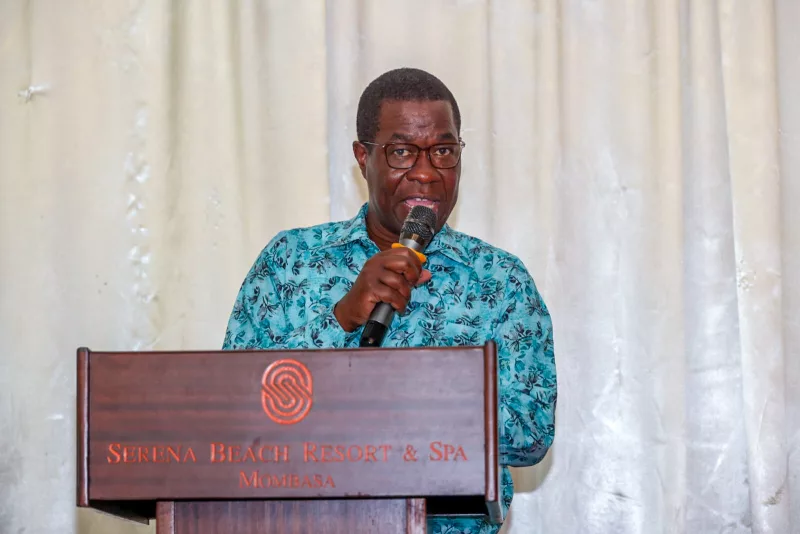
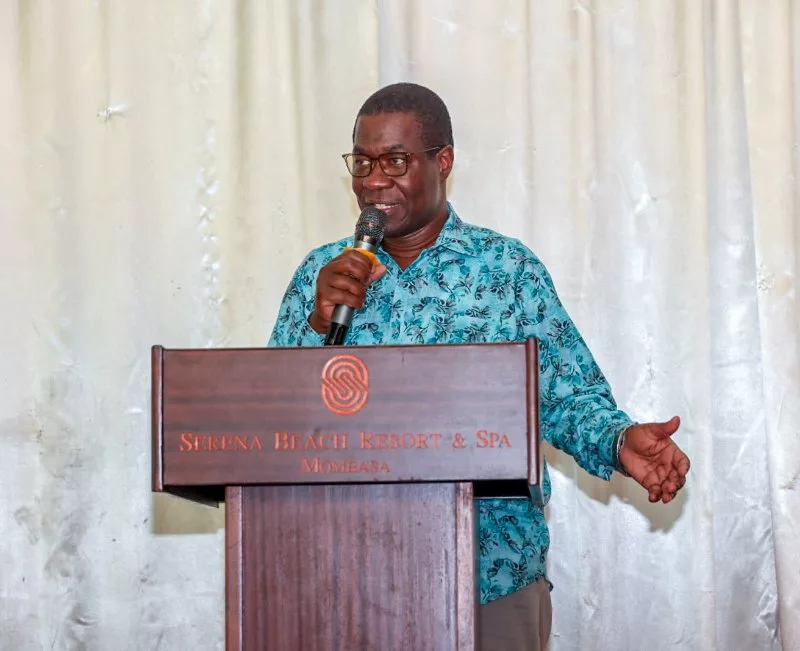
Speaking on the sidelines of a meeting between the ministry and the Senate energy committee in Mombasa, the CS noted that the Field Development Plan has already been approved by the ministry and, crucially, by Parliament.
The Senate energy committee expressed confidence Kenya will make history as the first East Africa country to export commercial crude oil.
The committee chair William Kisang said the Field Development Plan on South Lokichar was approved by Parliament in early February, setting the stage for the commercialization of the oil found in Turkana about 14 years ago.
A Field Development Plan (FDP) is a comprehensive, multidisciplinary roadmap used in the oil and gas industry to convert newly discovered hydrocarbon resources into commercially viable, operating production project.
Currently, no East African country exports commercial crude oil, though the region is on the verge of starting commercial exports.
Kenya is closest to the fete, having sent a small, one-off pilot shipment of over 200,000 barrels from the Mombasa port to Malaysia in August 2019 under the Early Oil Pilot Scheme.
ChemChina UK Ltd bought the oil at about Sh1.2 billion (USD12 million) from the South Lokichar basin in Turkana county, where Tullow Oil Kenya discovered the oil in 2012.
According to Tullow, Kenya’s onshore fields in Turkana hold an estimated 560 million barrels of oil.
Uganda is preparing to become a regular crude oil exporter in mid-2027 using the nearly completed East African Crude Oil Pipeline (EACOP), which will transport oil from its Lake Albert fields, including Tilenga and Kingfisher, to Tanzania’s port of Tanga.
Tanzania will facilitate regional exports through the EACOP terminal in Tanga, starting commercial flows expected around mid-2027.
“We are happy to report that, already, the rig has been delivered in South Lokichar. We are on course to export the first crude oil on December 1, this year,” Kisang said.
Wandayi said other oil blocks are also available for exploitation.
According to the Energy and Petroleum Regulatory Authority (Epra), Kenya has 50 petroleum exploration blocks spread across four sedimentary basins, and 13 oil discoveries have been made to date.
Those discovered include Blocks 10BB and 13T in the South Lokichar Basin in Turkana county.
Lamu basin has 29 blocks, Tertiary Rift basin has 12, Anza basin as six, while Mandera basin has three.
At the South Lokichar sub-basin, the initial production is projected to start at 20,000 barrels per day before scaling up to 50,000 barrels per day.
“Kenya has essentially joined the league of countries that are oil producing and that’s a very big achievement, under the leadership of President Ruto.
“That was not possible (before). Remember this oil was first discovered in 2012, more than 14 years ago. It is under this administration that now commercial production is beginning in earnest under a new contractor, that is Gulf Energy,” the CS said.
On fuel, Wandayi said the country takes pride in the fact that it has not suffered any shortage despite the crisis in the Middle East, which has affected fuel supply across the globe.
He said Kenya has been able to assure her citizens of stable supply because of the G-to-G fuel importation framework the country adopted with partners.
“There is no single day I can remember that this country has lacked fuel from February when this war broke out in Iran.
“That is because our international oil company suppliers are able to source petroleum products from multiple sources and multiple refineries across the world,” the CS said.
He however noted that the cost sometimes becomes higher because of the distances to be covered in bringing it home.
Wandayi said it is better to have the oil first then talk about the cost after.
“Many countries in the world, including some in this region, have had serious shortages of petroleum products. Kenya has been spare of that inconvenience,” he said.
He said the government will continue to put measures in place to cushion the public and consumers from the global shocks.
The government has applied fuel subsidies for months now, from the petroleum development levy, which has seen fuel prices relatively stabilize.
Other measures include cutting down VAT on petroleum products by half, from 16 per cent to eight per cent, which has seen the government lose revenue.
“And this month, the National Assembly has graciously accepted to extend the operating period of that tax relief by another 90 days from October 15,” he said.
He said the launch of the Dangote oil refinery in Lamu is a vote of confidence in the country and its stability the country has.
He said investors are always attracted by certain factors in a country.