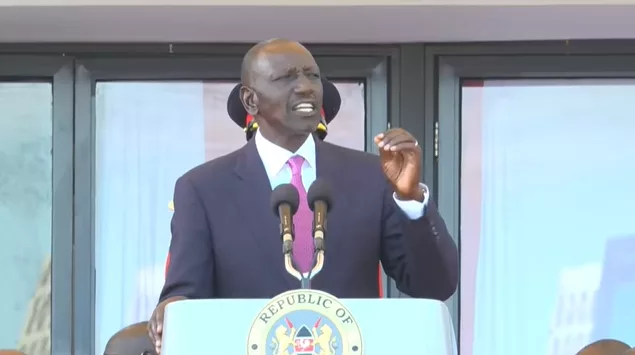
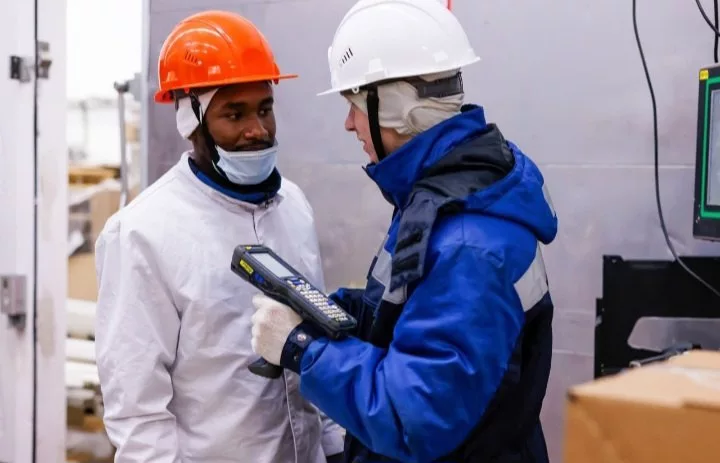
Kenyan employees of the “RUSAGRO” company in Tabov region. Out of 500 workers of the factory, the majority are Kenyans.
The recruitment of Kenyans into Russia’s war in Ukraine has intensified scrutiny of overseas employment, raising urgent questions about recruiter accountability, migrant worker protection and the future of legitimate civilian job opportunities.
A report presented to Kenya’s Parliament in February 2026 indicated that more than 1,000 Kenyans had been recruited into the Russian military through rogue agencies and misleading job offers. The revelations highlighted the risks of deceptive recruitment, unofficial channels and the use of tourist visas to facilitate overseas travel.
In March 2026, Kenya and Russia agreed to halt further enlistment of Kenyans into Russian military operations, strengthen consular support and work towards arrangements for safer, regulated labour migration.
The challenge is now to protect Kenyans from recruitment fraud while distinguishing legitimate civilian employment from offers that could expose workers to military service or exploitation.
The Russian Embassy in Nairobi has denied involvement in illegal recruitment, as concerns grow over the circumstances under which some Kenyans travelled to Russia.
Ambassador Vsevolod Tkachenko said Kenyans had been placed on a stop-list preventing them from signing contracts with Russian military institutions.
He said the two governments were working to strengthen their bilateral framework on labour migration, with proposed agreements intended to support the lawful and safe stay of Kenyan citizens in Russia.
Tkachenko added that Kenyans travelling to Russia to seek employment or acquire new skills should receive favourable conditions. He also emphasised personal responsibility and awareness when considering overseas job offers.
The diplomatic commitments come amid calls for stronger safeguards to ensure that civilian recruitment is transparent and that workers understand the nature of their employment before departure.

Kenyan employee of the “RUSAGRO” company in Tabov region. Out of 500 workers of the factory, the majority are Kenyans.
For Kenya, the priority is to strengthen oversight of recruitment agencies, improve access to verified employment information and ensure that citizens have clear channels for seeking assistance when contracts are breached.
Despite the controversy, organised civilian recruitment programmes continue to connect Kenyan workers with Russian employers, particularly in agriculture and food processing.
BRICS Mobility, which says it works with recruitment companies authorised by Kenya’s National Employment Authority (NEA), reports that it has facilitated the placement of more than 700 Kenyans in agro-industrial enterprises across 12 Russian regions.
The platform identifies Rusagro Group, a major Russian agricultural and food business, among the employers involved.
According to BRICS Mobility, candidates receive details of their employer, workplace, salary and accommodation before travelling. Workers are also provided with employment contracts in English, appropriate work visas, basic language training and cultural orientation.
Such arrangements offer a model against which prospective workers can assess overseas job offers. However, recruitment claims should be independently verified, including the current licensing status of agencies, the identity of employers and the validity of individual vacancies.
A job offer should not be considered legitimate simply because it is advertised through an organised programme or presented as part of an international employment initiative.
Some Kenyans working at the Tambovskiy Bacon production facility have reported positive experiences.
Evan Skipkemwa said he was willing to extend his contract because of the support he had received at work. Another worker, Howard Minishi, described Russian people as friendly and willing to help.
While these accounts provide insight into individual experiences, they cannot establish that every workplace is safe or that all recruitment arrangements offer the same protections.
The decisive factors remain the terms of employment, the credibility of the recruiter and the safeguards available to workers.

Kenyan employee of the “RUSAGRO” company in Tabov region. Out of 500 workers of the factory, the majority are Kenyans.
What Kenyans Should Verify Before Travelling
The National Employment Authority advises job seekers to use accredited recruitment agencies and verify overseas employment offers before making travel arrangements.
Applicants should establish the employer’s identity, confirm the job description and salary, and understand working hours, accommodation arrangements, deductions and other contractual conditions.
They should obtain a written employment contract in a language they understand and ensure that their visa authorises the intended work – usually a tourist or study visa do not do so, and work visa is required. Where necessary, visa details should be confirmed through the relevant official channels – preferably in the Embassy.
Offers involving undisclosed employers, unexplained recruitment fees, pressure to travel urgently or instructions to enter a country on a tourist visa before starting work should raise serious concerns.
Job seekers should also leave copies of their contracts and employer details with trusted family members and retain contact information for the relevant Kenyan diplomatic mission.
These precautions are not exclusive to Russia. They apply to Kenyans seeking work across the Gulf, Europe, Asia and other international labour markets.
Accountability Must Come First
The allegations surrounding the recruitment of Kenyans into military service cannot be dismissed as ordinary overseas employment disputes. They demand credible investigations, accountability for those responsible and effective protection for affected citizens.
At the same time, the controversy highlights the importance of separating documented cases of abuse from civilian employment opportunities that can be independently verified.
Kenya and Russia face the task of translating their commitments into practical safeguards, stronger recruitment oversight and accessible consular support. Recruitment agencies must provide accurate information, while prospective workers need reliable channels to confirm offers before committing their money or travelling abroad.
Ultimately, the issue is not simply whether a job is in Russia, but whether the recruitment process is lawful, transparent and independently verifiable.
For Kenyan job seekers, the message is clear: verify the recruiter, confirm the employer, understand the contract and secure the correct work visa before travelling.

Kenyan employee of the “RUSAGRO” company in Tabov region. Out of 500 workers of the factory, the majority are Kenyans.
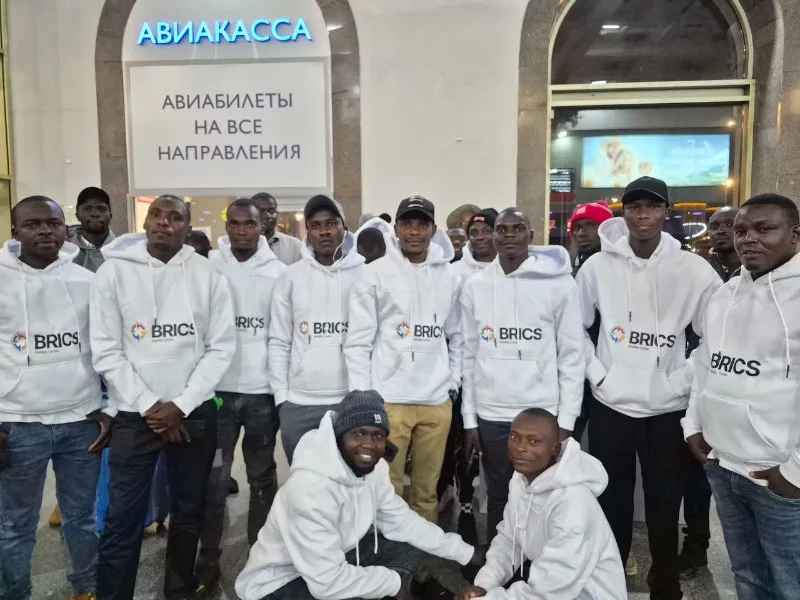
Kenyans who travelled to Russia, Belgorod region, under Brics Mobility arrangements to work in meat processing factory.
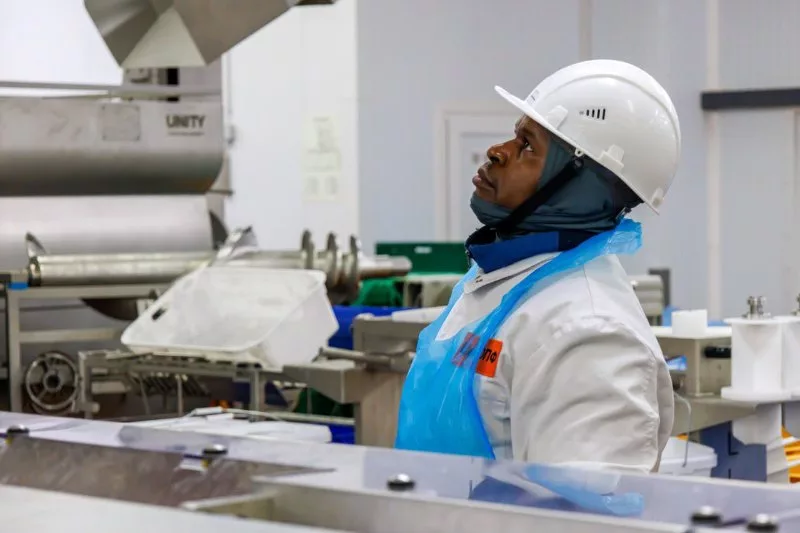
Kenyans who travelled to Russia, Belgorod region, under Brics Mobility arrangements to work in meat processing factory.