President William Ruto has challenged opposition leaders to present concrete policy alternatives to his administration’s development agenda, warning that seeking power without a clear plan risks leaving leaders unaccountable.
Ruto said political competition should be based on ideas, policies and programmes rather than ethnic mobilisation, personal attacks and division, in a pointed message to his critics as political alignments ahead of the 2027 General Election take shape.
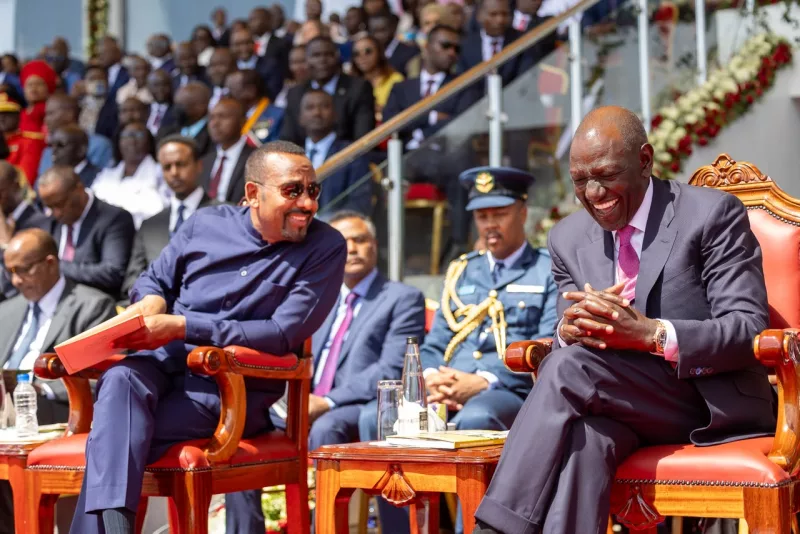
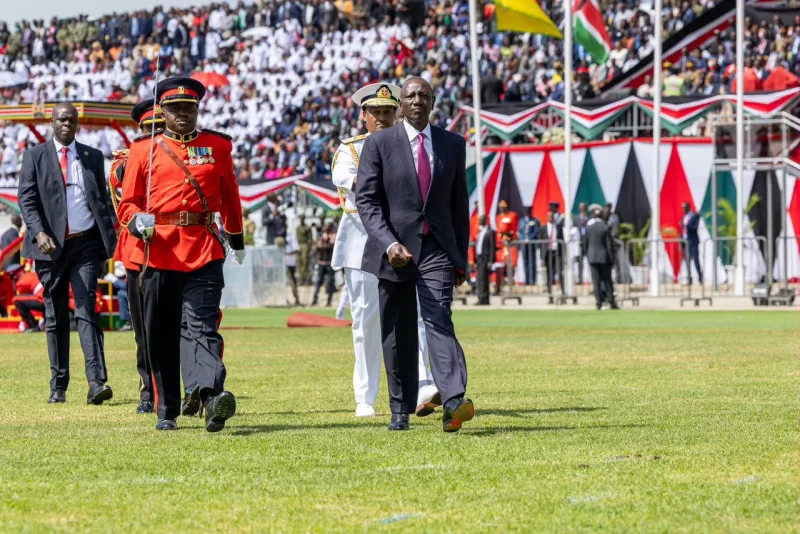
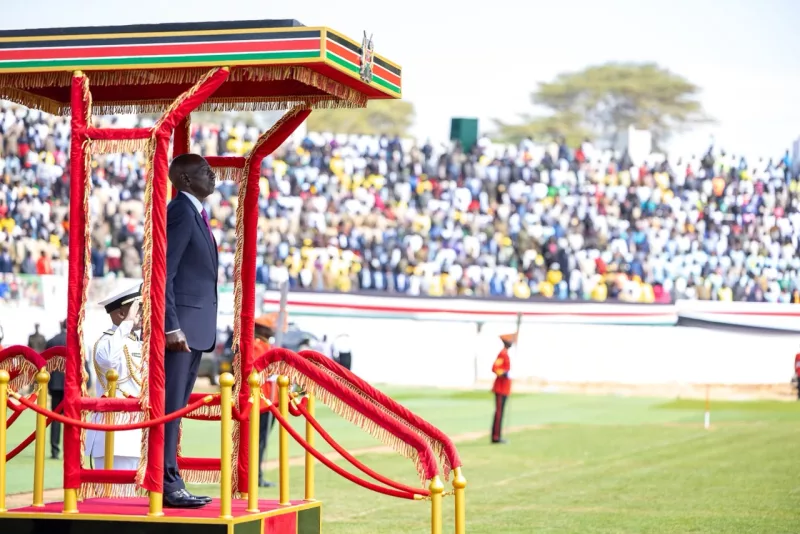
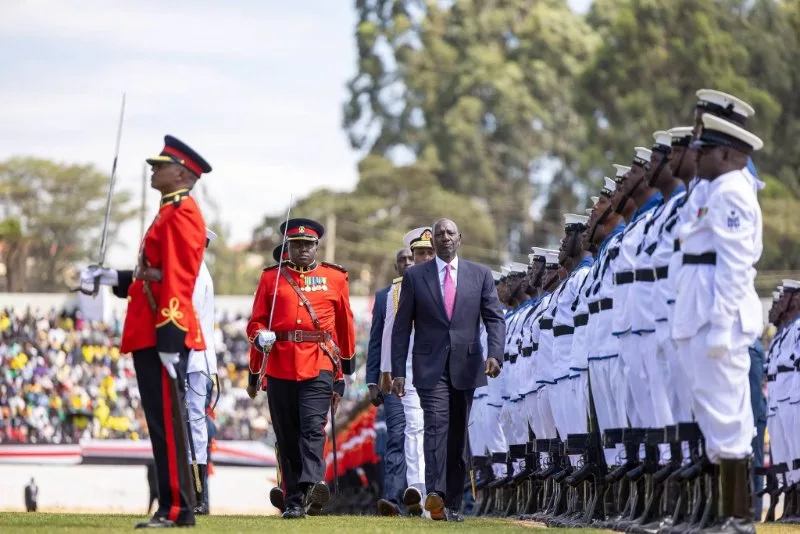
Speaking during this year’s Mashujaa Day celebrations at Kipchoge Keino Stadium in Eldoret, Uasin Gishu County, the President challenged those opposed to his flagship programmes to explain what they would do differently if elected.
“Beyond what you oppose, what do you propose?” he posed.
He singled out affordable housing and healthcare reforms, challenging critics to provide alternative solutions to the country’s housing needs and the financial burden families face when seeking treatment.
“If you disagree with affordable housing, tell Kenyans how you would provide decent homes and create jobs,” Ruto said.
“If you oppose our healthcare reforms, explain how you would ensure that no family is forced to organise a harambee to settle a hospital bill.”
The President said the country needed leaders who could demonstrate a credible record, articulate a clear vision and explain how they intended to deliver on their promises.
“Every leader should be prepared to present a credible record, a clear vision of where they want to take our country, and a practical plan of how to get there,” he said.
Ruto argued that freedom and democracy would have limited meaning if they did not translate into better living conditions, economic opportunities and improved public services.
He cited inadequate healthcare, poor roads and a shortage of decent jobs as some of the challenges preventing Kenyans from realising their potential.
“As Scripture reminds us, faith without works is dead. In the same way, freedom and democracy without development and prosperity are in vain,” he said.
“Our duty is not only to preserve the freedoms we inherited, but to ensure that they translate into dignity, opportunity, and better lives for every Kenyan.”
The President also defended the government’s major infrastructure investments, saying projects should remain open to scrutiny over their costs, financing, environmental impact and public value.
He cited the Rironi-Mau Summit Highway, the railway extension towards Kisumu and Malaba, the Lamu corridor, the modernisation of Jomo Kenyatta International Airport and industrial investments as projects intended to improve connectivity, create jobs and strengthen the economy.
“The same standard applies to our national infrastructure,” he said, adding that leaders proposing a different approach should explain how their alternatives would connect counties, open markets and create employment.
Ruto acknowledged that government programmes should not be shielded from criticism, insisting that public projects and leaders must be held accountable.
“No government programme is above criticism. No leader is beyond accountability,” he said.
“Let us debate the merits of competing proposals, question their costs, and demand results. But let our disagreements produce better policies, not deeper divisions.”
He further argued that democracy, constitutionalism, the rule of law and economic transformation were complementary rather than competing objectives.
“The rule of law protects our rights. Constitutionalism limits the exercise of power. Government agenda gives that choice substance, and accountability gives it consequence,” he said.