Opposition leaders have pledged to unite behind a single presidential candidate to challenge President William Ruto in the 2027 General Election, but translating that promise into reality could prove a herculean task.
With several leaders convinced they possess the experience, financial muscle, youthful appeal and grassroots support needed to win the presidency, reaching a consensus is likely to test their unity and willingness to sacrifice personal ambitions for a common cause.
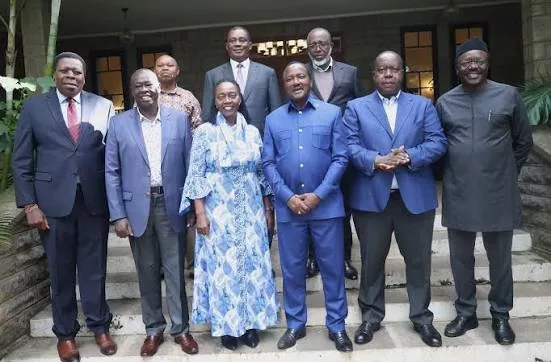
Among those who have declared interest in the presidency are Democracy for the Citizens Party (DCP) leader Rigathi Gachagua, Wiper leader Kalonzo Musyoka, Jubilee presidential aspirant Fred Matiang’i, Martha Karua of the People’s Liberation Party (PLP), DAP-K leader Eugene Wamalwa, Democratic Party leader Justin Muturi, Nairobi Senator Edwin Sifuna and Kiharu MP Ndindi Nyoro, who has established the People’s Party of Kenya.
Their competing ambitions have raised questions about whether the opposition can agree on a single flagbearer and, more importantly, whether those who lose the contest will remain in the coalition and campaign for the eventual candidate.
Siaya Governor James Orengo, however, remains optimistic that the opposition will overcome its differences and present a single candidate.
Speaking during the first anniversary of the death of former Prime Minister Raila Odinga in Bondo, Orengo expressed confidence in the coalition’s ability to form the next government.
“This is the team that will form the next government of the Republic of Kenya,” Orengo said.
Political analyst Albert Kasembeli said the opposition’s biggest challenge would be persuading presidential aspirants to put aside their ambitions and accept a candidate selected through a joint process.
“Some leaders believe their political experience gives them an advantage, while others consider their popularity, appeal among the youth, financial resources and grassroots networks sufficient to earn them the ticket,” he said.
Kasembeli added that without clear rules governing the selection of the flagbearer and power-sharing arrangements, the coalition risked internal divisions that could weaken its campaign.
Beyond the question of who should carry the opposition flag, mistrust among some leaders has emerged as another obstacle to unity.
The recent exchanges between Nyandarua Senator John Methu, the DCP secretary general, and Nyoro have exposed disagreements over loyalty and political intentions in the opposition.
Methu questioned Nyoro’s commitment to the coalition, suggesting that his decision to establish the People’s Party of Kenya could undermine efforts to consolidate opposition support.
He also questioned the position of Matiang’i, citing the two leaders’ growing political association.
Nyoro dismissed the accusations and urged opposition leaders to stop attacking one another. Matiang’i has also criticised suspicion and internal rivalry in the opposition.
The dispute has highlighted a fundamental question facing the opposition: Can its leaders trust one another enough to support a candidate who may not be their preferred choice?
Gachagua has repeatedly challenged fellow opposition principals to publicly commit to supporting whoever emerges as the flagbearer.
The former DP, who has declared interest in the presidency, said he would remain in the coalition even if he was not selected, urging other aspirants to make a similar pledge.
“I have repeatedly challenged my brothers and sisters to also give a similar commitment publicly to the people of Kenya,” he said.
He has also predicted that one of the opposition principals will abandon the coalition after the candidate is selected, drawing parallels with the 2002 General Election, when opposition leaders united behind Mwai Kibaki but Simeon Nyachae pursued his own presidential bid.
“One presidential candidate will be announced, one person will go away. That one person will go away on his own,” Gachagua said during an engagement with Kenyans living in Dallas, United States.
Jubilee deputy party leader Jeremiah Kioni has similarly questioned whether opposition supporters will remain committed if the candidate selected is not their preferred choice.
He argued that leaders have repeatedly assured Kenyans they will settle on one candidate, but the real test will come when the coalition settles on a name that some aspirants and their supporters may not favour.
Strategic adviser Fred Okango has also expressed doubts about the opposition’s prospects, arguing that even a united front would not automatically guarantee victory.
“The current opposition will struggle to agree on a single presidential candidate. And even if they manage to unite behind one, they will still lose. Unity alone won’t save them,” he said.
His remarks point to a broader challenge beyond selecting a flagbearer; the opposition must also develop a convincing campaign strategy, agree on common priorities and mobilise supporters across the country.