Kenya and Tanzania are seeking to facilitate trade on foodstuffs through closer cooperation between their nuclear regulatory agencies which oversee activities involving radiation and the certification of regulated goods.
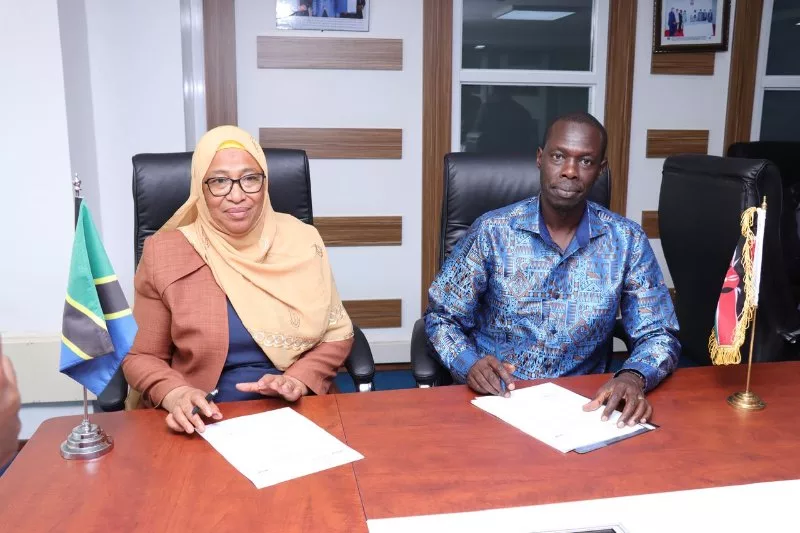
The Kenya Nuclear Regulatory Authority (KNRA) and the Tanzania Atomic Energy Commission (TAEC) have established a joint Technical Working Group to develop a Mutual Recognition Agreement on radioanalysis certification of foodstuffs.
Officials from the two agencies held a weeklong meeting in Nairobi last week, where they put forward several proposals to strengthen cooperation ahead of the anticipated signing of a memorandum of understanding (MoU).
The initiative, which was extensively discussed last week, seeks to harmonise regulatory requirements, align conformity assessment procedures and facilitate the movement of goods across the common border without compromising safety standards.
KNRA Director General James Keter and his Tanzanian counterpart, Prof Najat Kassim Mohammed, said the working group has three months to complete its assignment. “There has been hue and cry over trade barriers, which we are determined to help eliminate,” Mr Keter said.
He added that the process would culminate in the signing of a memorandum of understanding between the two agencies. The proposed agreement comes amid broader efforts to strengthen economic relations between the neighbouring countries and remove non-tariff barriers that have hindered trade within the East African Community.
The bilateral trade between Kenya and Tanzania reached $860.3 million (approximately Sh111.1 billion) last year. The figure covers all traded goods, not just foodstuffs, demonstrating the wider economic relationship the two countries are seeking to strengthen.
Food commodities form an important part of this relationship. Kenya imports agricultural products from Tanzania, while Kenyan producers and manufacturers supply the Tanzanian market with food products and other goods.
For traders, differences in certification requirements and regulatory procedures can create additional administrative hurdles when moving goods across borders. The proposed mutual recognition framework is intended to improve coordination between the two agencies and reduce unnecessary duplication of certification procedures.
Radioanalysis is used to establish the presence and levels of radioactive substances in materials, including foodstuffs. Such testing helps regulators verify compliance with applicable radiation safety requirements.
Although the agreement focuses on radioanalysis certification, its implementation will contribute to wider efforts to improve regulatory coordination and make cross-border trade more predictable for businesses. The success of the initiative will depend on the working group’s ability to agree on practical procedures that both countries can implement while maintaining internationally recognised safety standards.
Persistent cross-border trade bottlenecks within the East African Community (EAC) continue to hinder the smooth movement of goods, raise business costs and undermine efforts to deepen regional economic integration.
According to experts, the challenges increase transport costs, delay deliveries and can lead to spoilage of perishable commodities, particularly foodstuffs. Despite regional initiatives aimed at harmonising trade procedures and facilitating the movement of goods, effective implementation of agreed policies remains a key challenge.