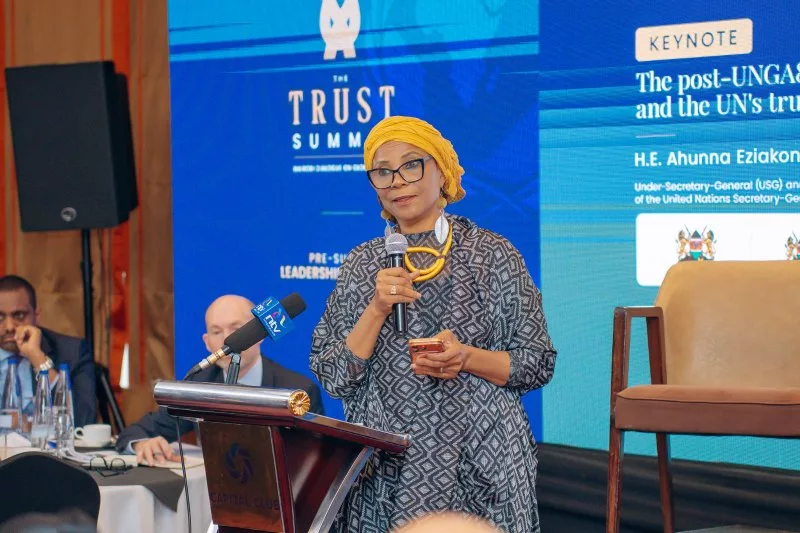
Ahunna Eziakonwa, the UN Under-Secretary-General and Special Adviser to the Secretary-General
Global institutions must give Africa a greater role in shaping international decisions to rebuild public trust, a senior United Nations official has said.
Ahunna Eziakonwa, the UN Under-Secretary-General and Special Adviser to the Secretary-General, said trust in multilateralism depends on institutions delivering on their promises and representing the people they serve.
She spoke at a leadership meeting in Nairobi on Thursday ahead of the Trust Summit, scheduled for October 21–23.
Eziakonwa said Africa should be treated as a partner in shaping the international system rather than a recipient of decisions made by others.
“Africa is not asking for a seat at someone else’s table anymore. Africa is a co-architect of a system that is renewed, and not only repaired,” Eziakonwa said.
“The starting point for trust is to treat Africa as a shaper of our common future, and not as a recipient of global change.”
She said African countries needed greater representation in international institutions, improved access to development finance and a stronger voice in shaping the rules governing the global economy.
However, Eziakonwa said reform must also involve African governments demonstrating accountability to their citizens by delivering on commitments in agriculture, education and public services.
“Trust is not rebuilt by grand declaration. It's rebuilt by commitment, one commitment after another, each with a named owner, a timeline, and a date on which we report back,” she said.
“That is what the Nairobi Call to Action and its framework for action are designed to do.”
The Nairobi meeting seeks to bring governments, international organisations, civil society, businesses and young people together to define commitments and track their implementation.
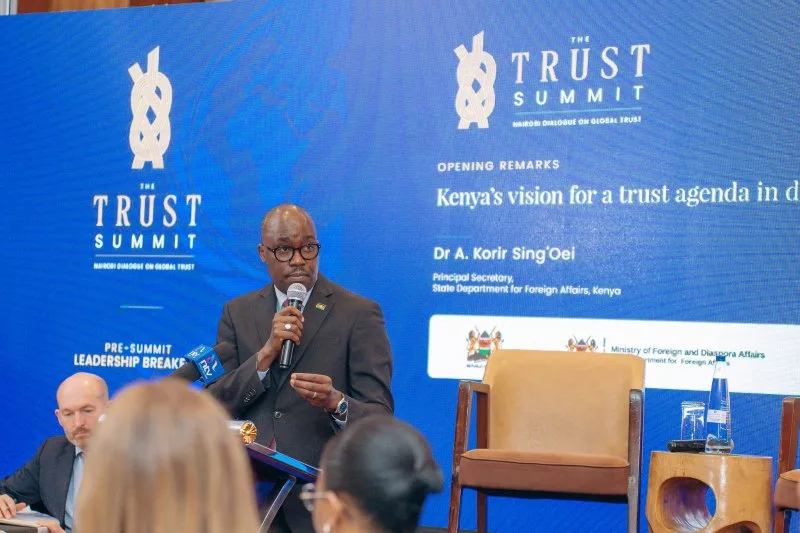
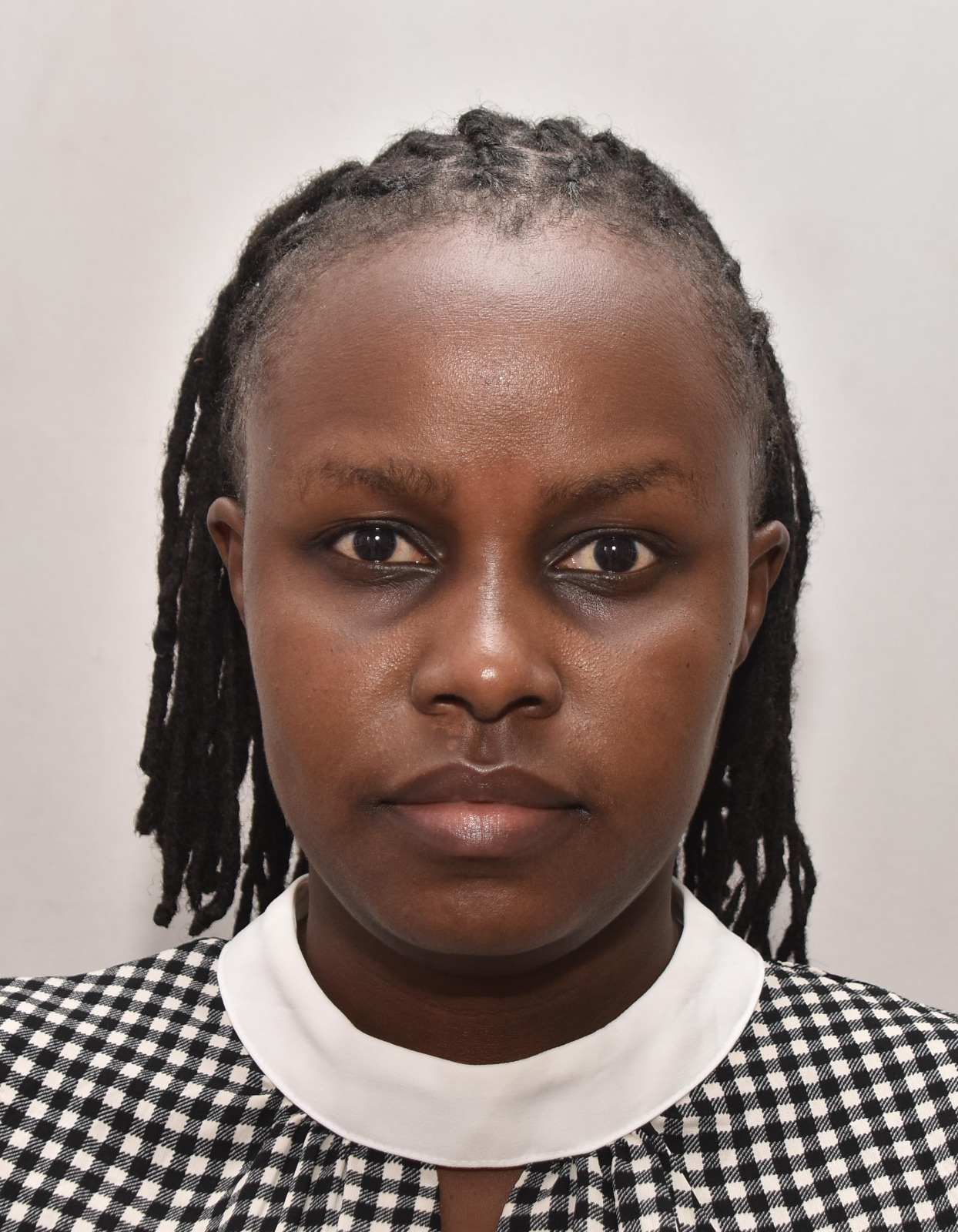
Foreign Affairs PS Korir Sing’Oei
Foreign Affairs PS Korir Sing’Oei said rebuilding trust would require institutions to involve more people in decision-making, including those outside government.
“If we are serious about rebuilding trust, states must open the door to greater engagement with society, and large institutions must make room for non-state actors,” Sing’Oei said.
“That is what the Trust Summit is designed to be: a space where we are co-creators and co-equals in building a more trustworthy future.”
Deborah Ndanu Nzomo, secretary-general of Kenya Model United Nations, said institutions needed to demonstrate confidence in young people’s ability to contribute if they expected them to trust those institutions.
“The future of multilateralism depends not only on whether young people believe in its institutions, but also on whether those institutions demonstrate that they believe in young people,” Nzomo said. “Trust must be mutual," Nzomo said.
The October summit is expected to propose measures to track commitments and assess progress.
These include a Nairobi Statement on Global Trust, a summit report, a Trust Barometer dashboard, a joint task force to monitor implementation and a report examining Africa’s trust landscape.
The proposed measures are intended to help track progress and hold governments and institutions accountable for their commitments.
The inaugural Trust Summit: Nairobi Dialogues on Global Trust will take place in Nairobi from October 21 to 23, 2026.
It will bring together political leaders, policymakers, business representatives, academics, civil society organisations, media and young people to discuss how trust can strengthen governance, resilient societies, inclusive economies and international cooperation.