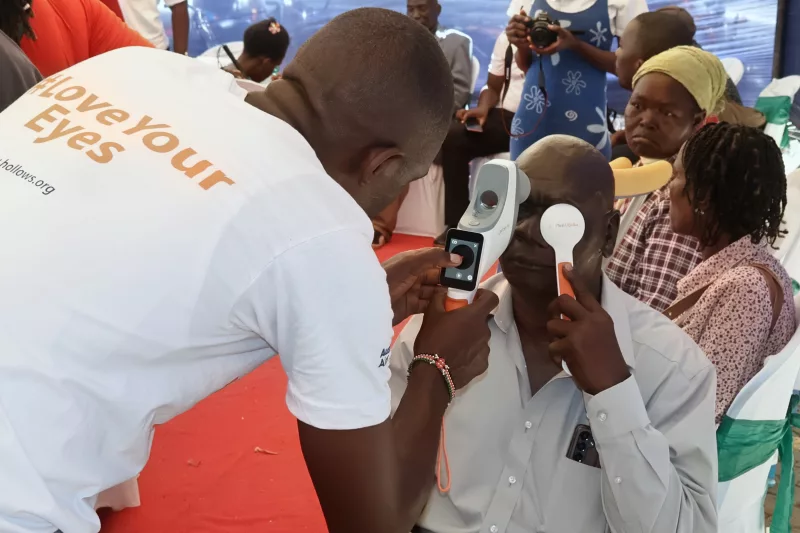
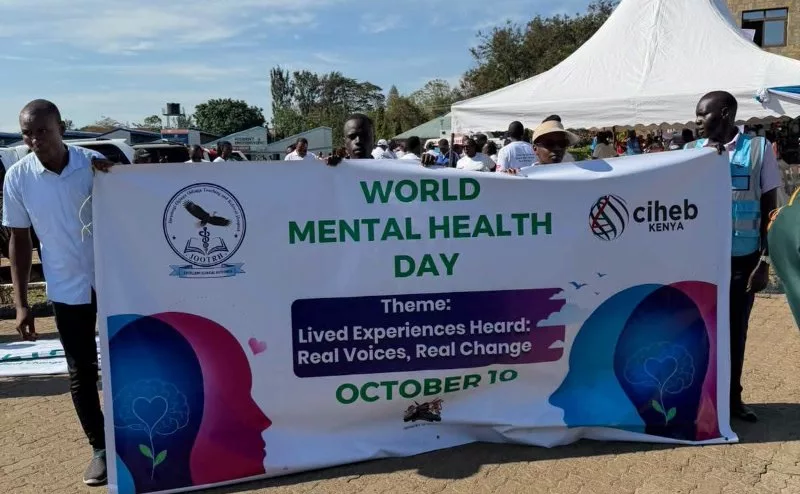
 Jaramogi Oginga Odinga Teaching and Referral Hospital during World Mental Health Day celebrations on October 10.Faith Matete
Jaramogi Oginga Odinga Teaching and Referral Hospital (JOOTRH) has launched a mental health clinic.
The facility’s officials have also announced plans to establish a 50-bed inpatient unit to expand access to specialised care in Kisumu and the wider Nyanza region.
The proposed unit will have 25 beds for male patients and 25 for female patients, strengthening the hospital’s capacity to manage mental health conditions requiring admission.
JOOTRH director of Clinical Services Dr Paul Mitei said the planned facility would improve access to specialised mental healthcare in the region.
He called for routine mental health screening to promote early detection, timely intervention and appropriate referrals.
The clinic was unveiled at the hospital’s Medication-Assisted Treatment (MAT) Centre during World Mental Health Day celebrations on October 10.
It will offer psychiatric assessment and treatment, individual and family counselling, psychotherapy, medication management, child and adolescent mental health services, substance-use treatment and rehabilitation.
Other services will include crisis intervention, suicide-prevention support, trauma and bereavement counselling, psychosocial rehabilitation, community outreach and confidential counselling for healthcare workers.
Principal Secretary for Medical Services Dr Ouma Oluga, whose speech was delivered by James Ntabo, said mental health should be recognised as an essential component of overall health.
He urged institutions and communities to address the stigma that discourages people from seeking care.
“Mental health is an essential part of overall health. Yet it is still misunderstood. People are labelled weak, lazy or lacking faith, and many suffer silently for fear of rejection,” Oluga said.
He said the new clinic would bring services closer to people experiencing psychological distress and encourage them to seek professional help without fear of discrimination or shame.
“A mental health condition is not a character flaw. Seeking support is not weakness,” he said, urging Kenyans to seek treatment for depression, anxiety, trauma and other forms of emotional distress, just as they would for physical illnesses.
Oluga also challenged health professionals and policymakers to involve people with lived experience of mental health conditions in designing services and making decisions that affect their care.
“For a long time, conversations about mental health have been dominated by professionals and institutions. Their role is important, but people who have lived through depression, anxiety or a mental health crisis hold insights that no textbook can teach,” he said.
He said patients' contributions should go beyond sharing personal testimonies to influencing policies, services and decisions on treatment and recovery.
“There must be nothing about people with mental health conditions without their meaningful participation,” Oluga said.
JOOTRH chief executive officer Dr Joshua Okise reaffirmed the hospital’s commitment to expanding mental health services. Drawing on his family’s experience with mental health challenges, he highlighted the effects of stigma and judgement on patients and their relatives.
He called for mental healthcare to be considered in reviews of the Social Health Authority benefit package to improve access to specialised services.
Stigma, he said, can compound the difficulties faced by people experiencing mental health conditions, making it harder for them and their families to seek help and navigate treatment.
JOOTRH psychiatrists Dr Linda Nyamute and Dr Victor Omache urged healthcare workers and members of the public to listen without judgement and seek to understand people experiencing emotional distress.
Oluga said a compassionate response could help someone who is struggling feel less isolated and more willing to seek help.
“Instead of asking, ‘What is wrong with you?’ let us say, ‘I care. I am here. I will listen,’” he said.
He urged families, schools, faith communities and civil society organisations to challenge stigma and help people recognise when they or others need professional support.
The PS also called on hospital managers to strengthen staff wellness programmes, warning that healthcare workers face emotional strain from demanding shifts, staff shortages and the burden of caring for seriously ill patients.
Oluga said healthcare workers should not be expected to remain resilient at the expense of their own wellbeing.
“Healthcare workers are human beings before they are professionals. Their training does not make them immune to distress. No healthcare worker should have to choose between their reputation and their well-being,” he said.
He urged health facility managers to provide confidential counselling, supportive supervision, manageable workloads, adequate staffing and sufficient rest.
“Wellness cannot be achieved through motivational speeches alone. It requires policies, resources and a supportive culture,” he said.
He said the Ministry of Health is committed to treating mental health as an essential component of universal health coverage.
He urged health facilities to strengthen collaboration between mental health teams and other departments.
Oluga urged JOOTRH and other health facilities to make mental wellness part of everyday healthcare. He said this would help ensure that patients were treated with dignity, healthcare workers received appropriate support and people experiencing psychological distress could seek help without fear of rejection.