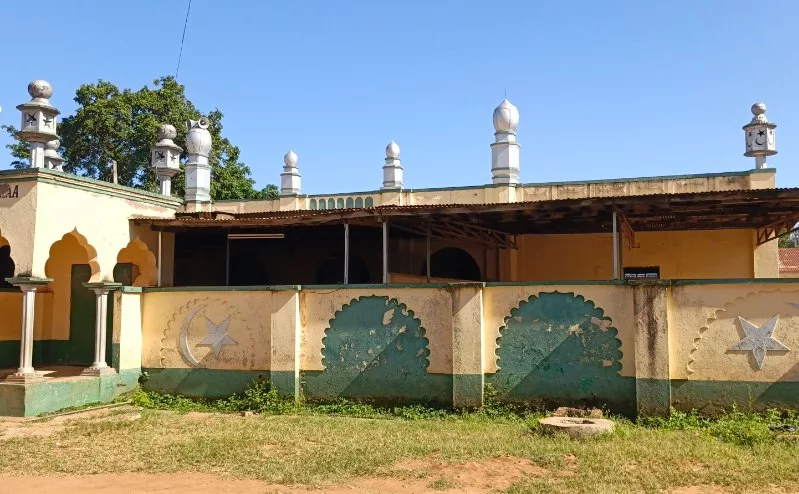
The Jamia Mosque in Mumias town has stood as a landmark of Islam in region, witnessing generations of worshippers passing through its doors for the last 80 years.
Now, Muslim leaders in Mumias are seeking to raise Sh156 million to build a modern mosque to replace the ageing structure as a growing congregation puts increasing pressure on the available space.
The mosque was constructed in the 1940s and has undergone several renovations over the years. But with the number of worshippers continuing to rise, the space available for prayers has remained largely unchanged.
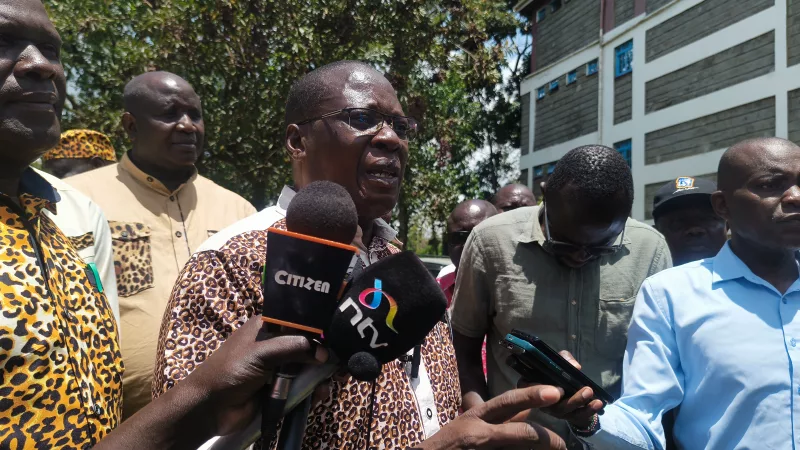
Mosque construction committee chairman Rashid Mwanza said the need for a new facility had become increasingly urgent.
“The current mosque was built in the 1940s and has been renovated so many times to look what it is. This has forced us to think big and put up a large modern mosque. We’re appealing to our Muslims, well-wishers, organisations, businesses and friends of the Muslim community to help turn the vision into reality,” Mwanza said.
He said the project was about more than replacing an old building, describing it as an investment in a growing Muslim community and its future.
“The project is about building a mosque that reflects the aspirations of a growing Muslim community and provides a dignified, spacious and modern environment for worship,” he said.
The committee plans to organise a major fundraising drive to mobilise the money for the project.
“The Sh156 million fundraising campaign is therefore about more than bricks, mortar and concrete. It is about faith, heritage, community and legacy,” Mwanza said.
The proposed mosque will be a two-storey building, with separate floors for men and women to accommodate growing numbers of worshippers and offices.
It will also provide space for Islamic education, community gatherings and other activities, giving the facility a role beyond daily prayers.
Imam Abdallah Musa said the new structure should reflect the rich history of Islam in Mumias.
“The project is envisioned to be a long-term investment in the spiritual and social life of Mumias — a place where today’s Muslims can worship while laying a foundation for generations to come,” Abdallah said.
The existing Jamia Mosque is deeply woven into that history. It was inaugurated in 1947 during a visit to Mumias by the Sultan of Zanzibar.
The history of Islam in the area is closely linked to Arab-Swahili trade, the Wanga Kingdom and the leadership of Nabongo Mumia in the 18th century.
Islam reached Mumias through Muslim traders and caravan networks moving inland from the East African coast, particularly from Zanzibar, Tanzania and the Kenyan coast.
Mumias was then the political centre of the Wanga Kingdom, ruled by Nabongo Mumia, and Muslim traders established commercial and personal relationships with the royal court.
One of the significant episodes in the history of Islam in Mumias is the reported conversion of Nabongo Mumia to Islam.
The town’s position along inland trade routes helped make it an important meeting point between coastal Muslims and communities in Western.
The proposed mosque would therefore represent both a response to a practical challenge and an attempt to carry that history into another generation.