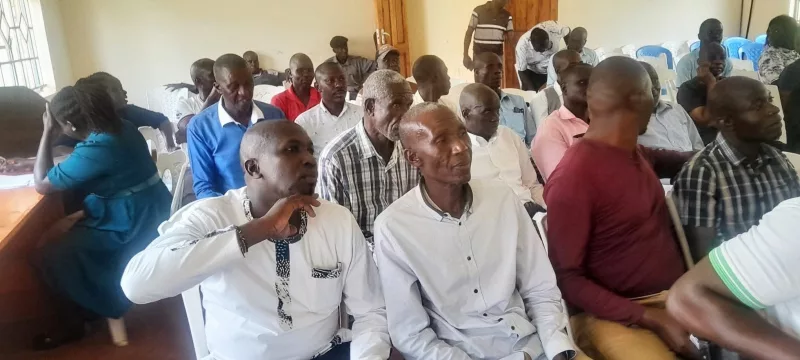
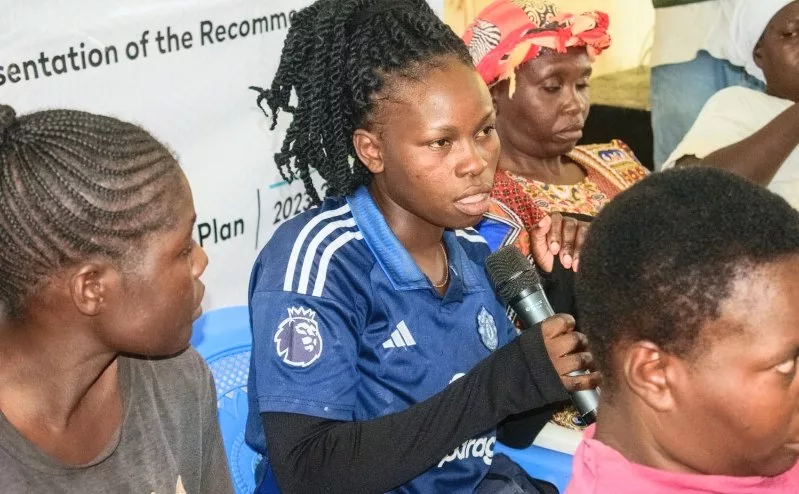
 A young woman participating in a citizens' assembly on the effects of climate change on women in gold mining at Kakamega county polytechnic/IMAGE/HILTON OTENYO
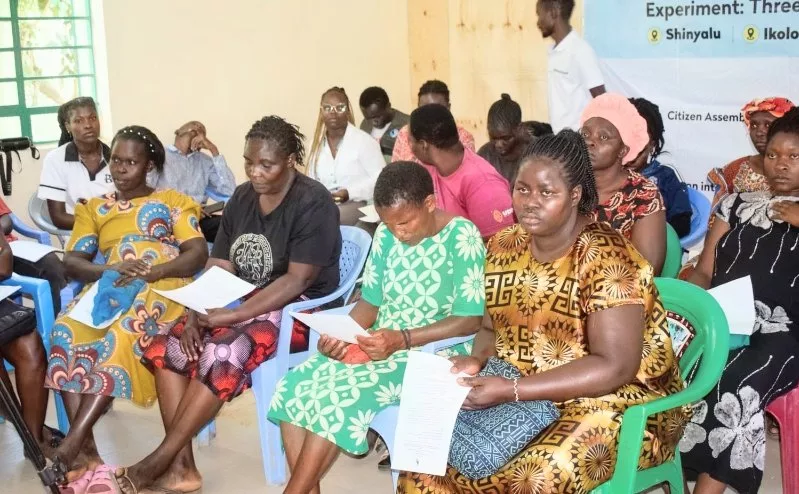 Women and Girls who are in Artisanal and small-scale mining participating in a Citizens Assembly on the effects of climate change on women in gold mining at Kakamega polytechnic/IMAGE/HILTON OTENYO
For women working in the gold fields of Kakamega, climate change is turning an already hazardous livelihood into an increasingly difficult struggle for survival.
Gold mining is a major source of income for households in Ikolomani, Shinyalu and Lurambi constituencies, where artisanal and small-scale mining is widespread.
Many homes host at least one shaft or leaching plant, providing work for tens of people, including large numbers of women.
Men typically work underground, excavating rocks and hauling them to the surface using pulleys.
Women then take over the processing. They crush the ore into small pebbles before grinding it into dust in stone crushers and washing it to separate tiny specks of gold.
Women make up an estimated 60 per cent of the mining workforce, according to stakeholders in the sector.
But those working in the processing stages say they are bearing the brunt of changing weather patterns.
At a citizens' assembly organised by Girls to Women Organization (GtoW) across Lurambi, Shinyalu and Ikolomani, women, girls, people with disabilities, community leaders, officials and other stakeholders shared their experiences and developed practical responses to climate and environmental challenges.
The women described scorching heat, flooded pits, muddy paths and difficulties accessing ore during the rainy season as some of the challenges they face in trying to earn a daily income.
For a mother, a lost day at the mine can mean an empty cooking pot, delayed school fees, a child waiting for a meal or another debt carried into the following day.
“When it rains heavily, we cannot go to the mining sites. We cannot get the stones to process, and that means we have no income,” says Janet Ingosi, a gold miner from Rosterman in Lurambi.
Marylyn Okwisa, a miner from Bushiangala in Ikolomani, says the physical demands of working in extreme heat have also taken a toll.
“At home, I feel healthy. But when I get to the mining site and spend hours working under the heat, my body begins to give in. I get tired, I get headaches and my back hurts. Sometimes I take a painkiller and keep working. I cannot afford to stop,” she says.
For Joyce Khakaba from Shitoli village in Ikolomani, the risks extend beyond the mining site.
She recalls an incident when overflowing water from a leaching plant broke through a wall and entered nearby homes.
“You can see the water is no longer normal. It changes colour and remains there. When the rains come, everything moves towards us. In a changing climate, rain can carry mining’s hidden hazards into the heart of the community,” she says.
Rehema Wekulo, from Ikolomani, wants abandoned mining shafts backfilled and rehabilitated so that damaged land can eventually be returned to agricultural use.
She also called for tree planting and agroforestry to restore vegetation and protect water catchments.
“Land damaged by mining should not be abandoned to become another source of hazard to the hosting communities,” she said.
The initiative brought together 120 participants, including 108 women, 41 young people and 10 people with disabilities, according to Audrey Bigeti, the GtoW programmes officer.
The forum generated 34 recommendations, with 25 identified as priorities. They included safer chemical management, tree planting, backfilling abandoned shafts and access to safe water.
Independent consultant Florence Wambui said climate change was not necessarily creating entirely new health threats in Kakamega's gold-mining communities, but was making existing risks harder to ignore.
“It is actually exposing what we have been ignoring. It is an accelerator to the health risks that are already within the community. Policymakers should respond to these overlapping risks rather than treating them separately,” she said.
She called for public health interventions combining community education, advocacy and access to quality healthcare, while ensuring medicines and health workers are available in mining communities.
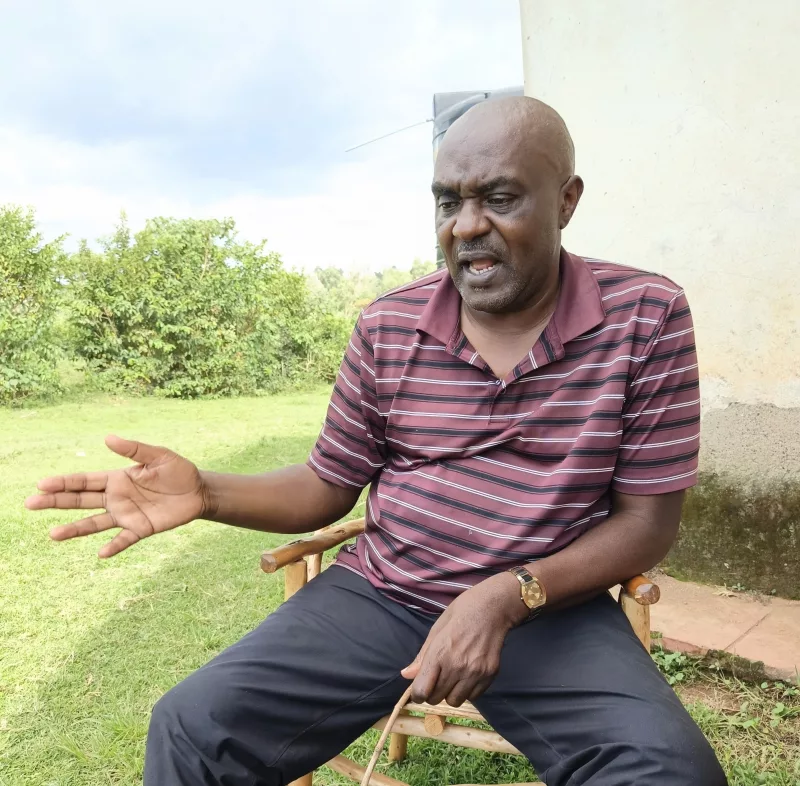
Patrick Ligami, chairman of the Kakamega County Artisanal Mining Committee and the Kakamega County Artisanal and Small Scale Miners' Association, estimates that women make up about 62 per cent of the county's mining population, particularly in ore processing.
He said women dominate processing because men typically extract ore from shafts before handing it over for crushing and washing.
For many rural women, he said, mining provides a more lucrative source of income than casual farm labour.
“You will find that it is preferred by the women other than going to the farm and earning Sh250 per day or Sh300. In mining they can make between Sh1,000 to Sh3,000 per day,” he said.
But Ligami said climate change was threatening the livelihood as rainfall disrupts mining, while heat, water exposure, chemicals and degraded land add to occupational risks.
Women can also spend long hours exposed to water while washing and processing ore, often working in a bent position.
“The women who are doing the process, most of the day, their limbs, the legs and the hands, are constantly in water and in a bent position,” he said.
Isaac Maindi, a senior occupational safety and health officer with the Directorate of Occupational Safety and Health Services, said climate change was amplifying existing occupational hazards in artisanal mining.
He cited chemical exposure, extreme heat, heavy rainfall, disease risks and poor workplace conditions as overlapping threats.
Maindi called for better protective equipment, safer technologies and measures to eliminate or reduce exposure to hazardous substances.
Peter Mathea, an environmental safeguards coordinator in Kakamega county, described a paradox facing mining communities — too little usable water during dry periods and too much destructive or potentially contaminated water during heavy rains.
He said women often carried the greatest household burden when water became scarce because they are responsible for collecting water for cooking, washing and other domestic needs.
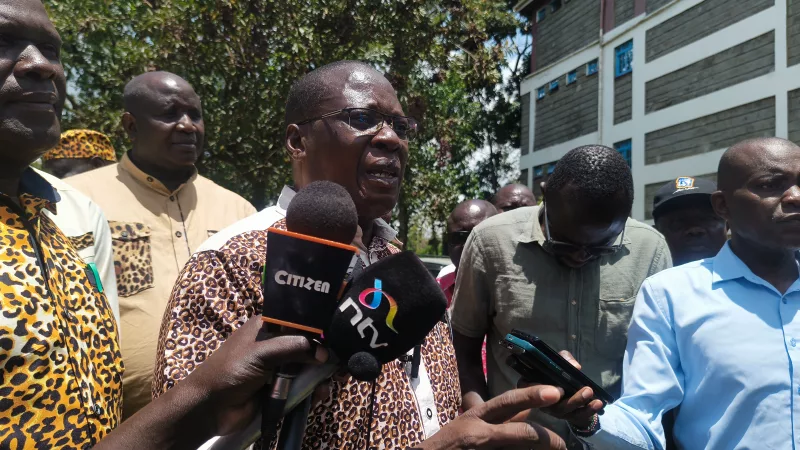
Kakamega County director for environment Anthony Munanga said the county would consider recommendations from residents of mining areas as it reviews the Kakamega County Climate Change Action Plan 2023-2027 and addresses environmental risks linked to gold mining.
County chief officer for environment and natural resources Bill Silingi said the citizen forum had generated useful recommendations on challenges facing mining communities, including mercury contamination, collapsing shafts, flooding and loss of vegetation.
Silingi said the recommendations would provide additional data for the county as it engages miners and national agencies responsible for regulating the sector.
The World Health Organization identifies heat and chemical exposure among occupational hazards in artisanal and small-scale gold mining and highlights particular risks for women of reproductive age.
WHO says mercury can harm the nervous, digestive and immune systems and damage the lungs, kidneys, skin and eyes. It also identifies developing fetuses and young children as particularly vulnerable to mercury exposure.
The stakes are high for Kakamega, which sits within a region with significant gold deposits.
British firm Shanta Gold Kenya Limited has uncovered gold deposits worth Sh683 billion in the region.
More than a decade ago, in 2013, exploration by Acacia Mining estimated that the Lirhanda corridor held at least 1.31 million ounces of gold deposits valued at Sh171 billion, with up to 60 per cent concentrated in Kakamega.
For the women working at the bottom of this gold economy, however, the immediate concern is not the value of deposits underground.
It is whether they can safely reach the mining site, work through the heat and rain, earn enough for the day and return home without bringing the hazards of mining back with them.
INSTANT ANALYSIS
Kakamega’s gold economy offers thousands of women a crucial source of income, but climate change is exposing them to worsening risks. Heavy rains disrupt mining, flood pits and increase exposure to potentially contaminated water, while extreme heat adds to physical strain. The challenge is therefore not only environmental but economic and health-related. Protecting these workers will require safer mining practices, climate adaptation and stronger public health interventions.