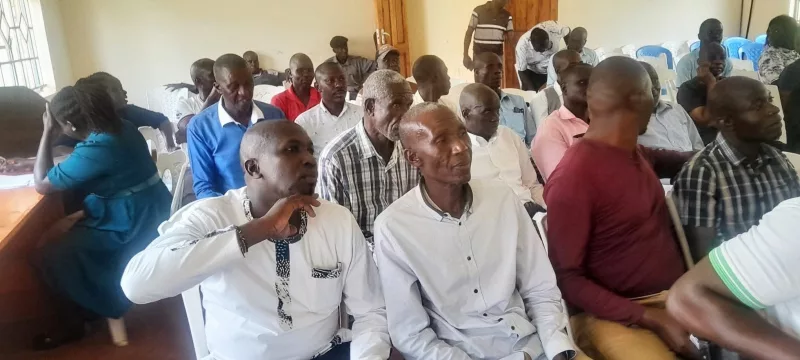
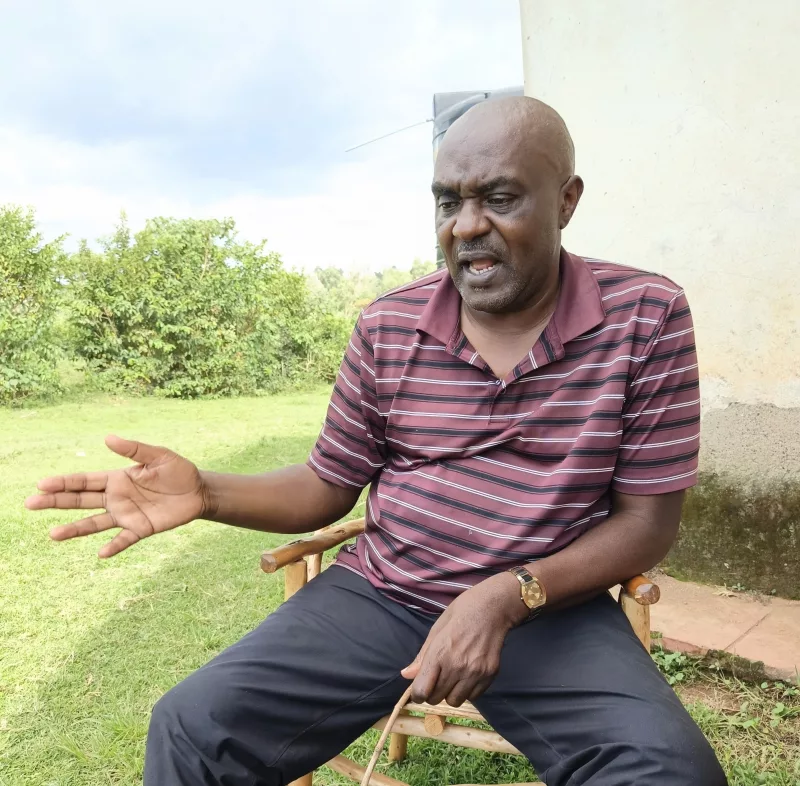
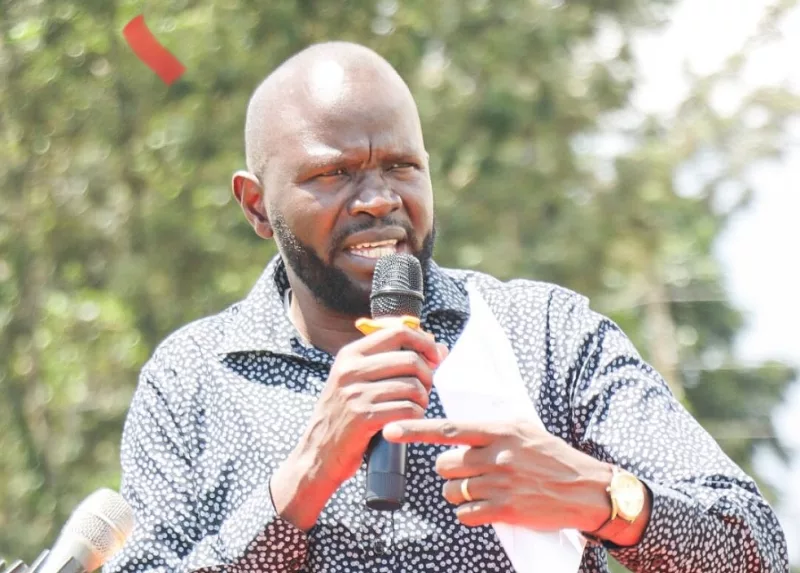
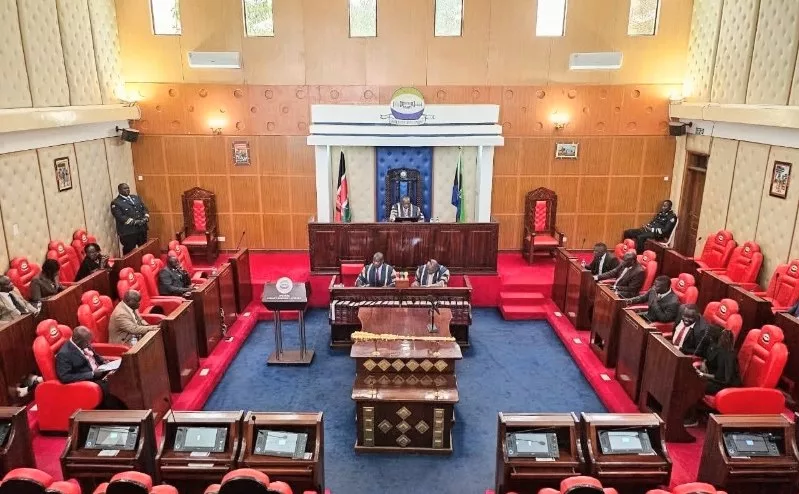
 The Busia County Assembly in session/IMAGE/HILTON OTENYO
Busia MCAs have backed a petition seeking legislation to regulate and protect the brewing, sale and consumption of busaa.
The leaders argue that the traditional brew could provide economic, social and cultural benefits to the county if properly regulated.
The petition was filed by veteran journalist Kennedy Epalat and debated by ward representatives on Wednesday.
Chakol South MCA Denzil Musumba said regulating the traditional brew could create an additional source of revenue for the cash-strapped county government.
“We are struggling on our own-source revenue. What we want is to try to regulate and raise revenue from it for the county,” he said.
Musumba said the ingredients used to make traditional brew were similar to food products and pointed to Uganda, where regulations govern the production and consumption of busaa.
Malaba South MCA Bonface Ekada Mamai also backed the petition, citing its economic and social implications.
“Busaa in Uganda has been legalised. Chairpersons of busaa clubs in Uganda are residents from Kenya. Such an arrangement is not in Kenya. Kenya loses revenue to Uganda,” Mamai said.
He said some Busia residents risked their lives crossing into Uganda to consume busaa before returning to Kenya while intoxicated.
“We need to put parameters in place, including opening times for busaa clubs,” he said.
Marachi East MCA Alexander Ayieko said any framework should provide for strict adherence to operating hours, licensing requirements and sanitary standards.
He also called for designated areas for busaa production and consumption.
Nominated MCA and chairperson of the single mothers' caucus Beatrice Akinyi Opwapo said many women involved in busaa brewing were single mothers who depended on the trade for their livelihoods.
She said regulation could help address some of the problems associated with illicit brews.
“Why punish busaa drinkers?” she asked.
Nominated MCA Irene Eduwa said busaa also provided employment opportunities, particularly for young people.
Nangina MCA Johnstone Makabwa said clear regulations were necessary, noting that while some brewers might have good intentions, consumers could misuse the product.
Marachi Central MCA Shadrack Masinde called for adequate public participation on the petition before any legislation is developed.
Assembly Speaker Fredrick Odilo referred the petition to the Culture, Sports and Social Services Committee for consideration and directed it to submit a report within 60 days.
Odilo urged the committee to benchmark Uganda's regulatory framework and develop appropriate regulations for consideration by the assembly.
He said regulation of busaa could contribute to revenue generation, poverty reduction, improved security and employment creation in the county.
Odilo said the outcome could also provide a model for other counties seeking to develop frameworks for traditional alcoholic beverages.
He cited traditional brews from other parts of Kenya, including mnazi from the Coast, muratina from Central Kenya and karobu from Eastern Kenya.
He said a policy framework could help governments regulate traditional beverages while protecting their cultural and economic value.