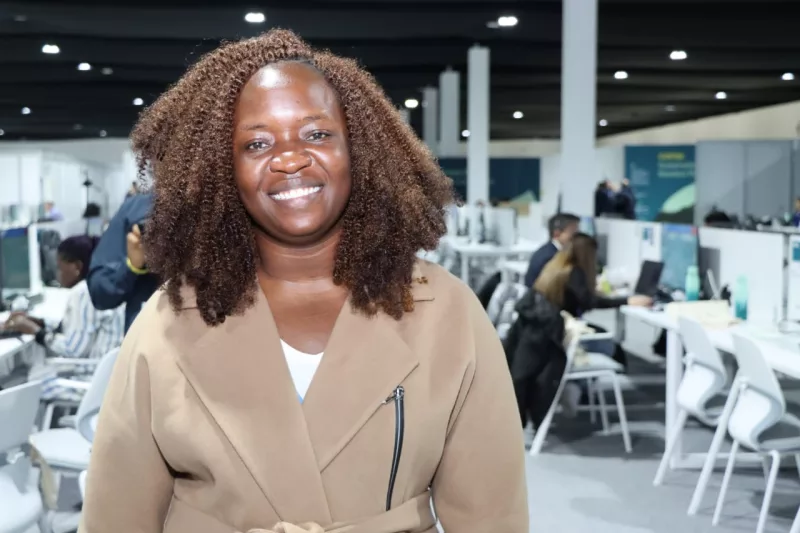
 Kenyan journalist Doreen Ajiambo an Africa and Middle East correspondent for Global Sisters Report awarded for her reporting on climate change/HANDOUT
Kenyan journalist Doreen Ajiambo has won a 2026 Covering Climate Now Journalism Award for her reporting on climate change.
Ajiambo, an Africa and Middle East correspondent for Global Sisters Report, won in the International Relations, including COP30 category for her reporting package, “African Voices, Women of Faith, and Frontline Communities at COP30.”
It is the second consecutive year that Ajiambo has won a Covering Climate Now Journalism Award in the same category, having also been recognised in 2025.
COP30, the 30th United Nations Climate Change Conference, was held in Belém, Brazil, from Nov. 10-22, 2025, bringing together delegations from nearly every country to negotiate and advance global action on climate change.
The summit addressed issues including climate finance, adaptation, loss and damage and efforts to translate international climate commitments into concrete action.
The 2026 Covering Climate Now Journalism Awards attracted more than 1,200 entries from journalists in dozens of countries.
A judging panel of 120 distinguished journalists from more than 30 countries selected the winners.
Covering Climate Now co-founder Kyle Pope said recognising excellence in climate journalism was particularly important at a time when some newsrooms around the world have scaled back their climate coverage despite the growing urgency of global warming.
“Lifting up excellence in climate reporting is particularly important this year, as some newsrooms around the world have retreated from climate coverage even as the effects of a warming planet become more urgent,” Pope said. “This work offers a blueprint for re-engaging with the climate story.”
Ajiambo’s winning package examined climate change through the experiences of African women, faith leaders and communities on the frontlines of the crisis, connecting their experiences to negotiations and decisions being made at the global level.
Her reporting explored loss and damage, representation and equity in international climate negotiations, the gap between commitments and action over three decades of COP summits, and the role of faith leaders challenging governments over their continued support for fossil fuels.
In announcing the award, Covering Climate Now noted that Ajiambo centered the COP narrative on women in frontline communities who know the consequences of climate change firsthand and are demanding greater representation and equity in global negotiations.
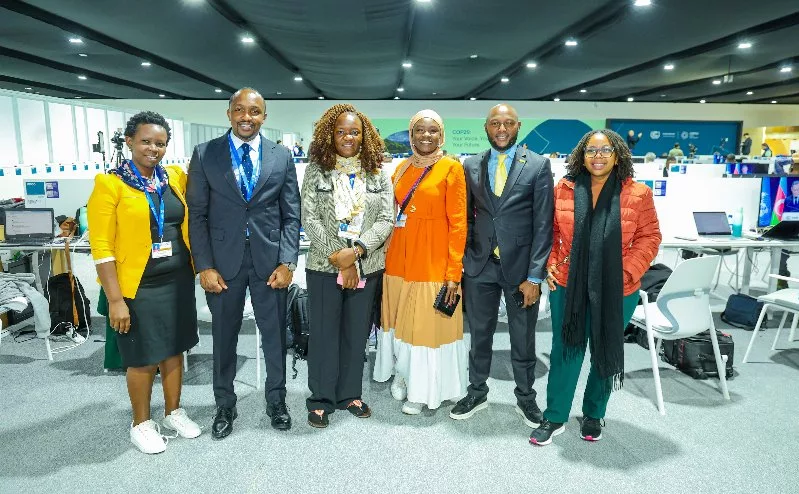
The judges applauded her for bringing underrepresented perspectives into climate diplomacy discourse, noting that COP reporting can often be technical and bureaucratic.
“This is a compassionate and morally forceful package,” the judges said, saying the reporting gave the proceedings the weight and meaning they deserved.
Ajiambo said winning the international award for the second consecutive year had given her greater confidence in her approach to climate journalism and strengthened her commitment to telling climate stories from the perspective of ordinary people.
“This award gives me confidence that the work I am doing- connecting the experiences of ordinary people affected by climate change to conversations on the global stage-matters,” she said. “It strengthens my determination to continue pursuing climate change reporting, a passion I have had for years.”
She said the recognition was also significant because it demonstrated the importance of bringing African experiences into international conversations about climate change.
“For me, the recognition is also about the people whose stories I have been privileged to tell — especially women, faith communities and people on the frontlines of climate change in Africa,” Ajiambo said.
“Their experiences can sometimes be overshadowed in global climate discussions, including at COP, so I’m grateful that this reporting is helping bring their voices into that conversation.”