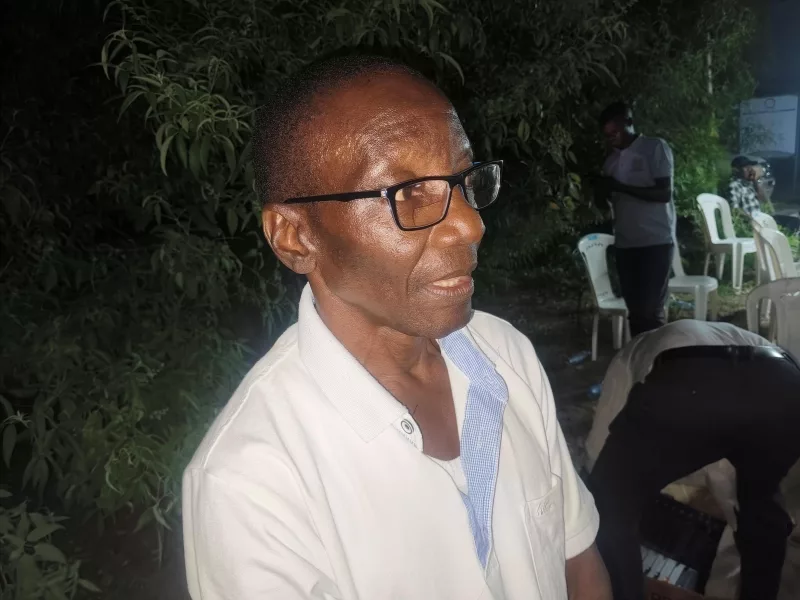
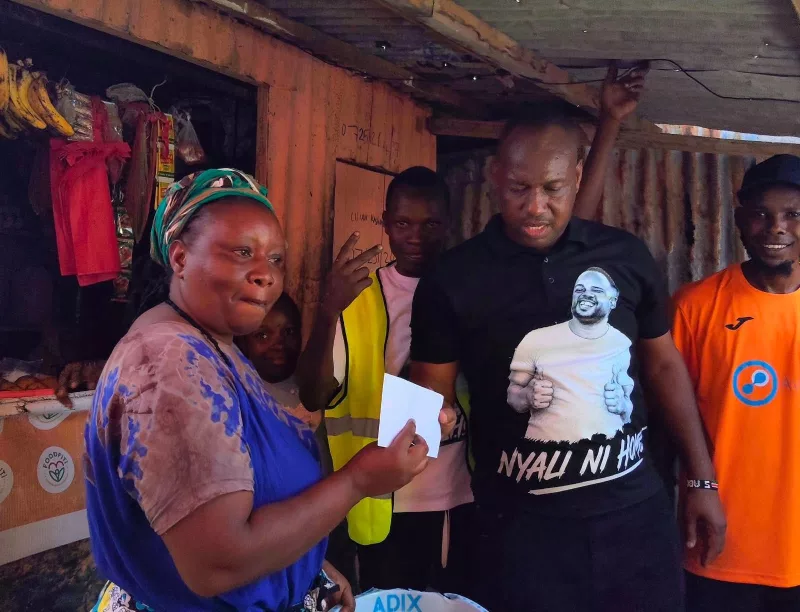
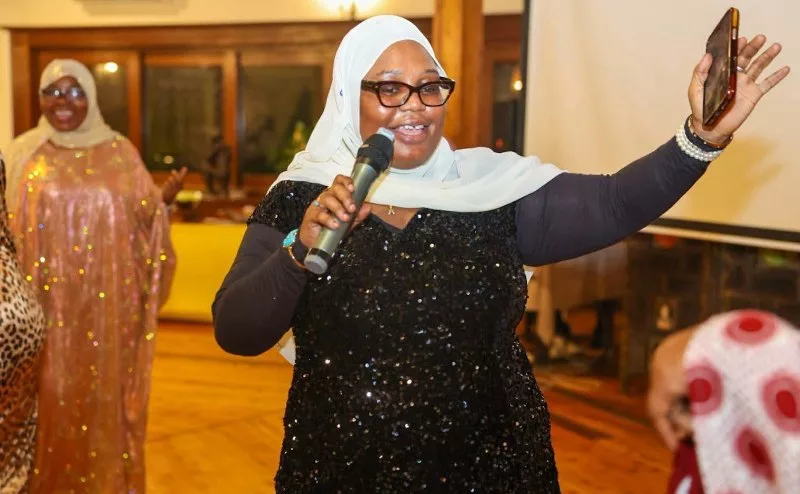
 Nominated Senator Miraj Abdillahi in Kilifi county on Tuesday / BRIAN OTIENO
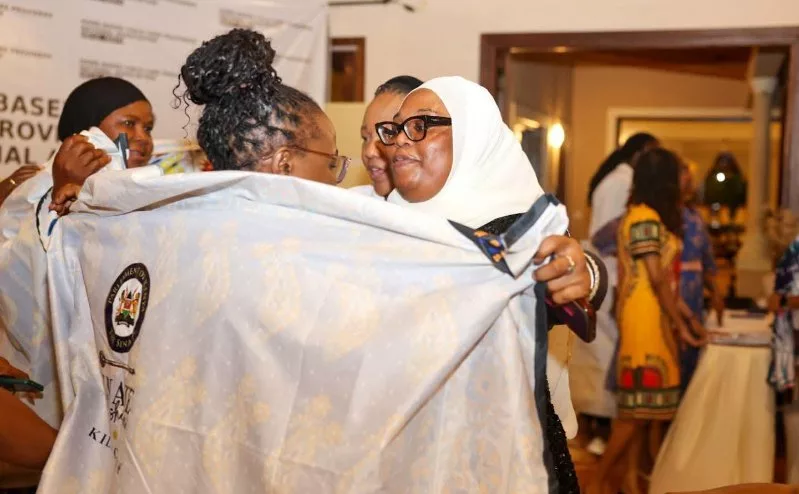 Nominated Senator Miraj Abdillahi and Priscah Dzame in Kilifi county on Tuesday / BRIAN OTIENO
Nominated Senator Miraj Abdillahi has lamented the increasing number of teenage pregnancies in Kilifi county, stating the situation is putting immense pressure on social services.
She said the crisis calls for more child protection centres in the county and the entire country.
“That is why I introduced the Care and Protection of Child Parents Bill, 2023. It is meant to give a second chance to the girl child who has suddenly become a parent at an age when she should not be, allowing her to return to school,” Abdillahi said.
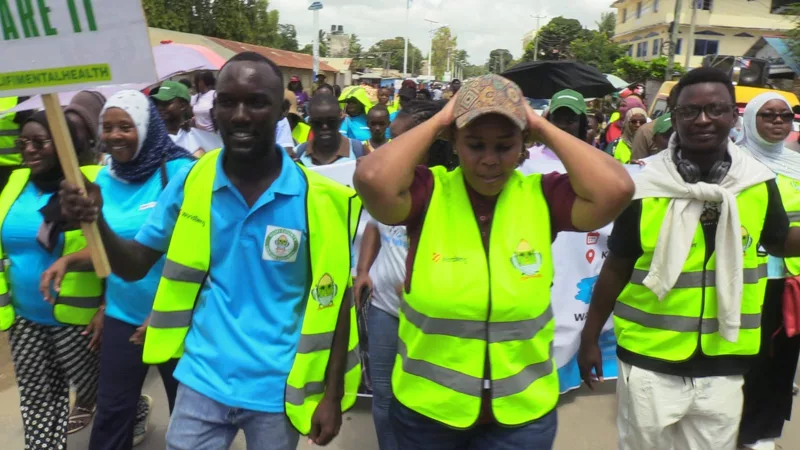
The senator spoke on Tuesday in Kilifi county during a joint forum organised by the Home-Based Child Care Providers’ National Association, Sauti ya Wanawake Pwani and the Kenya Women Senators Association (Kewosa) to discuss childcare and teenage pregnancies.
In 2025, Kilifi recorded 7,253 cases of teenage pregnancies involving girls aged between 10 and 19 years.
The situation is exacerbated by the fact the county set an unwanted record by registering the youngest mother in the country, aged 10, and the youngest grandmother, aged 24.
Nationally, Abdillahi said Kenya recorded more than 240,000 cases of teenage pregnancies in 2025. This translates to an average of 660 underage girls being impregnated daily across the country.
“And these children were supposed to be in class, pursuing an education,” she said.
Abdillahi emphasised that child parents retain their right to education, while their infants require proper care while the young mothers are in school.
If passed, the bill will establish 47 childcare centres—one in each county.
“Statistics show that 80 per cent of Kenyans are employed in the informal sector. They are mama mbogas (vegetable vendors), mama pimas (informal brewers), mama fuas (laundry workers), and night-shift workers,” Abdillahi said, noting that such parents cannot adequately care for their babies during work hours.
“In my home area of Likoni, we have lost more than three children who were locked inside houses when fires broke out. They were burnt beyond recognition because they could not be rescued.”
Abdillahi described the issue as a growing national disaster that requires robust legal infrastructure.
Kewosa called on Parliament and county assemblies to enact stiffer penalties for individuals who impregnate underage girls.
Statistics from the National Syndemic Diseases Control Council indicate that Kilifi recorded 359 new HIV-Aids infections among young people in the last five months alone, with 62 cases occurring among children aged between 10 and 19.
Kewosa also urged the Kilifi government to enhance sensitisation campaigns against teenage pregnancies in schools to curb cases that continue to retard regional development.
“We need a solid legal framework within which to exercise oversight to better protect our children,” Abdillahi said.
She said the care policy before the National Assembly—which addresses the plight of home-based caregivers who offer essential services without commensurate compensation—will be a game-changer.
The women senators stressed that women’s voices must be amplified and respected to accelerate national development. They insisted the girl child’s right to education must never be compromised.
Finally, they urged county assemblies, particularly in Kilifi and Kwale counties, to pass legislation that complements the Care and Protection of Child Parents Bill, 2023.