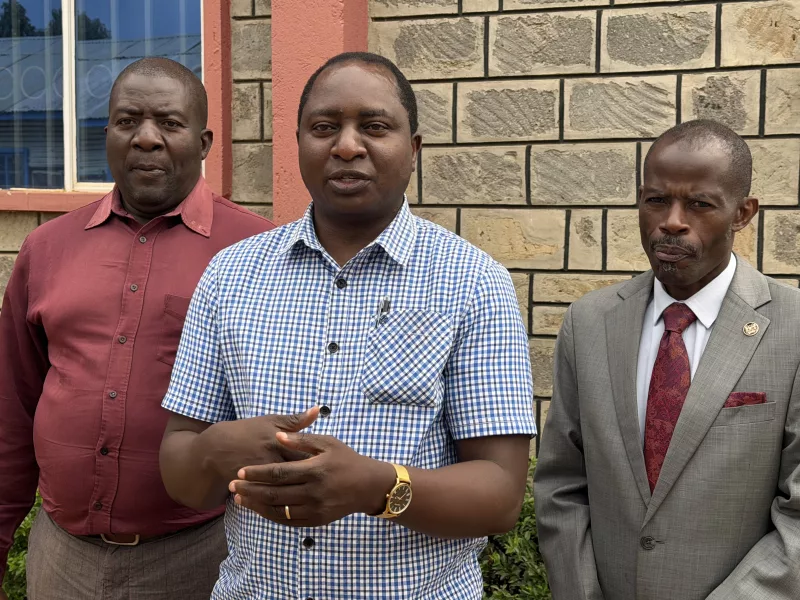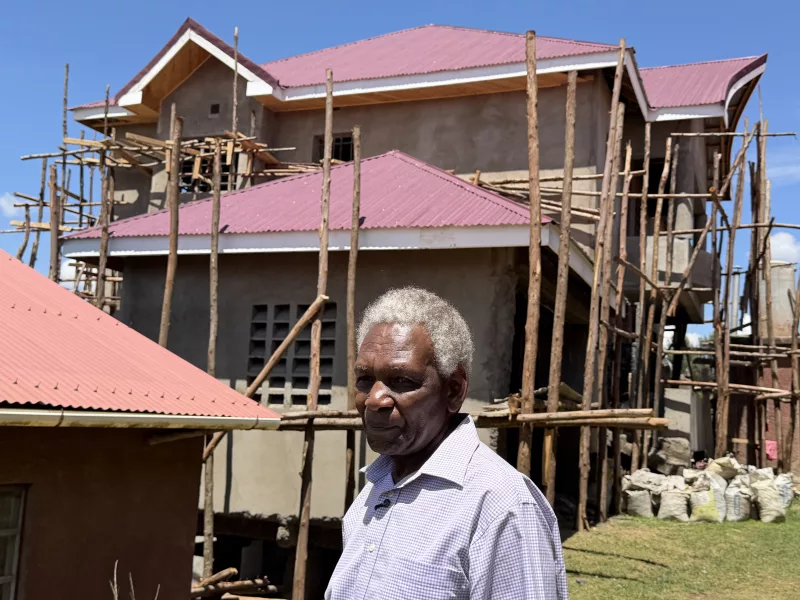
Some of the more than 8,000 victims who say they lost over Sh2 billion in deposits in the collapsed Goodlife Sacco in Eldoret have told a court how they were affected by the loss of their money.
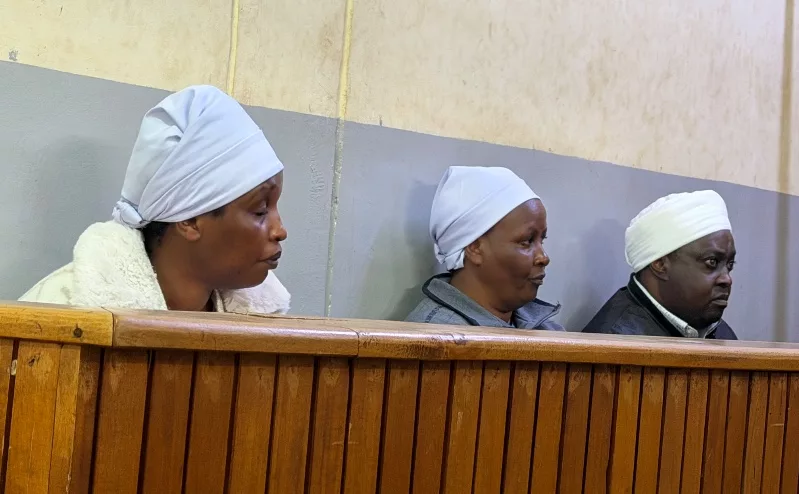
They testified as the prosecution presented evidence in the case against Sacco chairman Obadia Macharia Maina, his wife Rachael Wangui Wachira and manager Hannah Njoki Boro.
The three are facing 13 criminal charges before Resident Magistrate Naima Chelagat over the operations of Goodlife Sacco, which also operated as Fedha Micro Finance Limited.
They have denied all the charges, including conspiracy to defraud the listed victims.
The Office of the Director of Public Prosecutions tabled in court a licence that allowed the Sacco to operate in Thika. The prosecution told the court that the licence was extended to Eldoret and other areas without authorisation.
The accused are charged with jointly undertaking deposit-taking Sacco business under the name Goodlife Sacco Limited Eldoret branch without a licence issued by the Sacco Societies Regulatory Authority (SASRA).
The alleged offence occurred between June 1 and August 5, 2015, in Eldoret town, Eldoret West Subcounty, Uasin Gishu County.
In another count, the three are accused of taking or assisting in taking Sh17 million from businessman Onesmus Karanja Kinyua, allegedly with intent to defraud him by claiming the money was an investment in Goodlife Sacco and/or Fedha Micro Finance Limited.
Karanja told the court that he was convinced by one of the accused to invest the money after being promised lucrative monthly interest.
“As a business person, I considered the deal to be very profitable and decided to venture into it. Initially, I was paid interest for some time, but it stopped and later I could not access the money I had invested,” he said.
Karanja said he invested the money because he trusted the accused and their assurances.
However, lawyers representing the accused questioned Karanja and other victims on whether their investments amounted to a criminal act or whether the Sacco had collapsed because of business challenges.
The lawyers maintained that their clients had committed no criminal acts.
They also told the court that the Sacco was under liquidation and that the liquidator was working to sell its assets and repay the depositors.
“I do not know about the liquidator and I have never met them. I hope the courts will help me to recover my money,” Karanja said.
The victims, led by Joseph Njuguna, have vowed to continue pursuing recovery of their money through the courts.
The hearing continues.