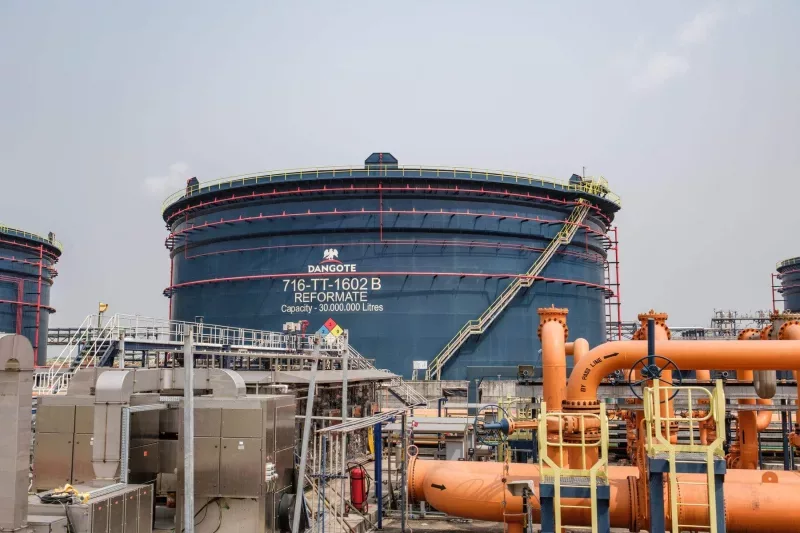
Lamu County could soon be on the verge of a major economic transformation as Nigerian billionaire Aliko Dangote prepares to break ground for a massive oil refinery on September 30, 2026.
The proposed refinery is estimated at KSh2.2 trillion and is expected to have the capacity to process up to 700,000 barrels of crude oil per day. Once completed, it would be the largest refinery in East Africa.
Thousands of Jobs and New Opportunities
Read Also
One of the biggest changes could come through employment.
The project is projected to create more than 60,000 jobs across construction, engineering, logistics, manufacturing, energy, and other supporting industries.
Around half of the jobs are expected to be skilled positions, creating opportunities for professionals in fields ranging from engineering and technology to transport and construction.
But the impact could extend far beyond people directly employed by the refinery.
A project of this scale would require accommodation, food businesses, transport services, shops, contractors, suppliers and other services. This could create opportunities for small businesses and entrepreneurs in Lamu and neighbouring counties.
Lamu Could Become an Industrial Hub
The refinery could also change the character of Lamu’s economy.
Instead of being known mainly for tourism, fishing and its historic coastal heritage, Lamu could develop into a major industrial and energy centre. The refinery would also complement the wider infrastructure around the Port of Lamu and the LAPSSET corridor.
Supplying Fuel Beyond Kenya
The project’s significance could stretch beyond Kenya’s borders.
Plans for the 700,000-barrel-per-day facility envisage refined petroleum products being supplied to markets across East and Central Africa. That could give Lamu a much larger role in the regional petroleum supply chain while reducing dependence on imported refined fuel.

A New Chapter for Lamu
Construction is expected to take up to about three years once it begins.
If the project proceeds as planned, its biggest impact may not simply be the refinery itself, but the ecosystem that develops around it — new businesses, workers, infrastructure, suppliers and industries.