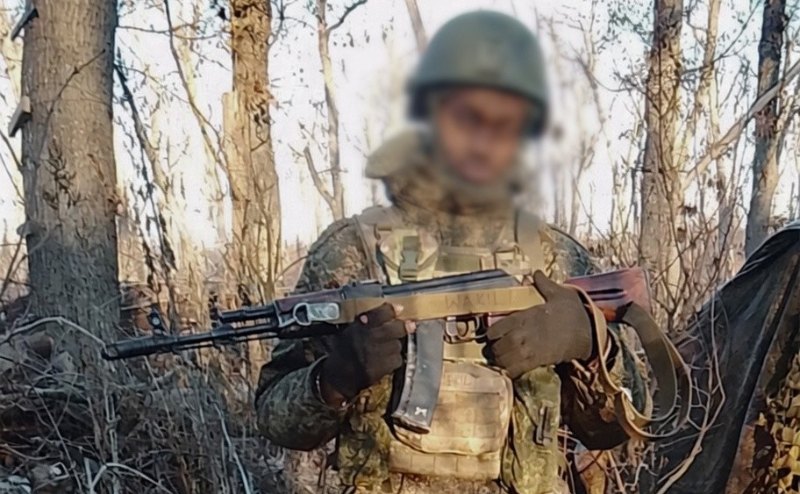
African nationals were among foreigners allegedly drawn into Russia’s war in Ukraine through promises of civilian employment, better incomes and, in some cases, assistance with immigration status, Amnesty International has said.
In a report examining the recruitment of foreign nationals into the Russian Armed Forces, Amnesty documented accounts involving citizens from several African countries, including Somalia, South Africa, Sierra Leone, Egypt and a Central African country.
The organisation said some of those interviewed had travelled to Russia after responding to what they believed were civilian job opportunities. Others were already in Russia and were allegedly pressured to join the military after encountering legal or immigration problems.
One of the cases involved a Somali national identified as Ahmed, who was interviewed by Amnesty in March 2025 while being held in a prisoner of war camp.
Ahmed said he had faced severe economic difficulties in Somalia and was desperate to leave the country.
“I had no job, no income, no future in Somalia,” he told Amnesty. “I needed to leave at any cost and would have gone anywhere.”
According to the report, Ahmed had no military background and little understanding of what service in the Russian Armed Forces would involve. He said he received almost no proper training before finding himself near the front line.
Amnesty said his experience reflected concerns over the recruitment of people from countries facing economic hardship, instability and other difficult conditions.
A South African national identified as Joseph also described being recruited after responding to what he believed was a driving job in Poland in late 2025.
Joseph said a woman contacted him through WhatsApp and arranged his travel to Moscow, telling him he would collect a truck there and drive it to Poland.
However, after arriving in Russia, he was allegedly told that he would not be travelling to Poland and would instead become a soldier.
Joseph's wife told Amnesty that he had no previous military experience and had received little training. She also said he had been promised payment but had not received the money.
The report also documents cases involving two Egyptian nationals who were studying in Russia when they were detained over minor drug related offences.
According to Amnesty, the men were threatened with lengthy prison terms and offered military service as an alternative. One of them said he initially did not understand what joining the Russian military meant.
He later described the experience as a rapid confrontation with “actual war” and serious risks.
Amnesty also interviewed a national of a Central African country who had fled persecution and received temporary protection in Russia.
The man said his protection status was extended in 2024 but that a further extension was later refused after he declined to sign a contract with the Russian Armed Forces.
He told Amnesty that he and other refugees, particularly Africans, faced pressure to join the military as a condition for regularising their stay in Russia.
The report said a legal specialist confirmed that foreign nationals could be offered fast track Russian citizenship through military service. The specialist maintained that the process did not involve coercion, but Amnesty said the circumstances could make the choice difficult for vulnerable migrants and refugees.
Sierra Leone was also among the African countries represented in Amnesty's research into foreign nationals recruited into the Russian military.
The organisation said recruiters frequently targeted people outside Russia with offers of civilian work, including positions in security, logistics, construction and other sectors. Some were promised high salaries and expedited access to Russian citizenship.
Amnesty said many recruits received only about two weeks of military training before being sent towards the front line. The report also raised concerns about inadequate preparation, equipment and language barriers.
The organisation's findings indicate that Africans entered the Russian military through different routes. Some travelled after responding to civilian job advertisements, while others were already in Russia and encountered pressure linked to their immigration or legal status.
Amnesty said these cases highlighted the vulnerability of foreign nationals seeking employment or legal protection abroad, particularly those from countries facing economic or humanitarian difficulties.
The report said the accounts of African nationals formed part of a wider investigation into the recruitment of foreigners for Russia's war in Ukraine. It documented cases in which recruits said they had been misled about the nature of the work or did not fully understand that they would be sent to fight.