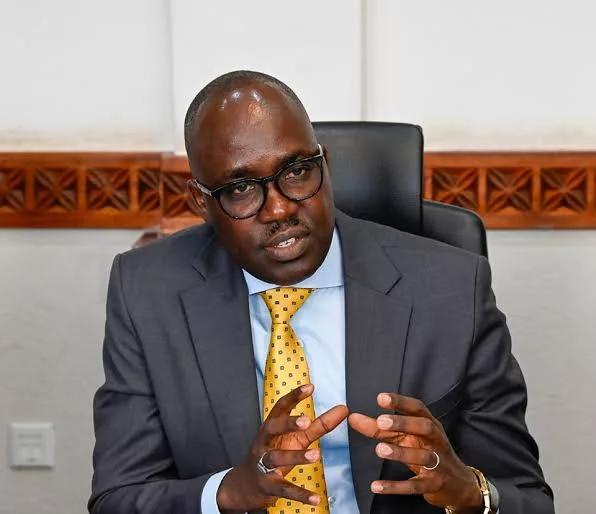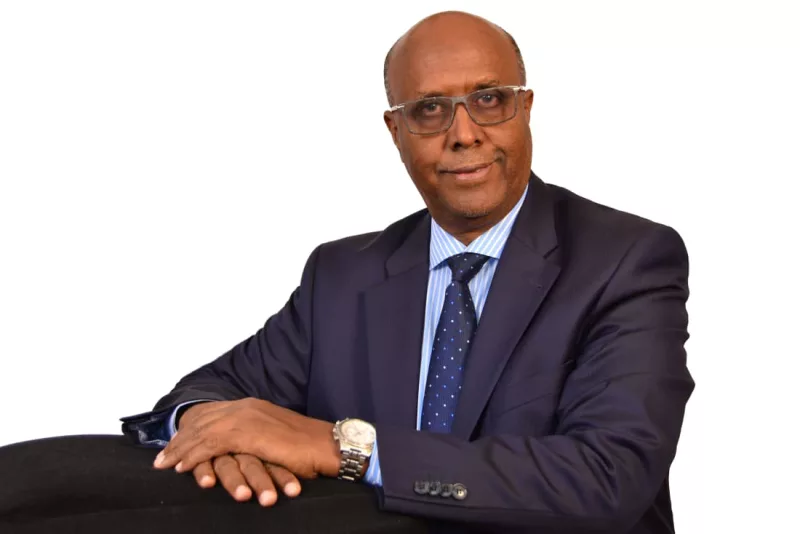
Somalia is heading towards a crucial political transition ahead of the 2027 presidential election, with businessman and presidential candidate Omar Abdulkadir Ahmedfiqi positioning himself as a new voice in the country’s leadership debate.
The election is expected to test Somalia’s progress in strengthening democratic institutions, rebuilding public confidence and creating a stable environment for economic growth.
Ahmedfiqi has made accountable governance, institutional strengthening, economic development and improved public services key pillars of his political message.
His entry into the presidential conversation comes as Somalia continues to grapple with insecurity, corruption, unemployment and institutional weaknesses.
“The time has come for Somalia to look beyond the politics of the past and shape a new economic and political future,” Ahmedfiqi said.
“Our people deserve leadership that can turn Somalia’s enormous potential into opportunity, strengthen institutions and create an environment where citizens and businesses can thrive.”
The 2027 election is also being shaped by ongoing discussions between the federal government, opposition groups and federal member states over the electoral framework.
The talks have exposed differences over the model to be used in the election, with the government supporting a one-person, one-vote system while some political stakeholders continue to push for an arrangement based on broader political consensus.
The credibility of the eventual electoral process is expected to be critical to Somalia’s political stability.
A free, fair and transparent election could strengthen the legitimacy of the next administration while boosting confidence among citizens, investors and regional partners.
However, a disputed outcome could deepen political uncertainty as the country works to consolidate state institutions and pursue economic recovery.
Ahmedfiqi’s campaign will also have to navigate Somalia’s complex political environment, where alliances involving political leaders, lawmakers and federal member states can significantly influence electoral outcomes.
Beyond politics, the election comes at a time when Somalia is seeking to exploit its considerable economic and strategic potential.
The country’s extensive Indian Ocean and Gulf of Aden coastline places it along key maritime routes, while emerging oil and gas prospects could provide new opportunities for investment and government revenue.
Ahmedfiqi’s supporters argue that unlocking this potential will require stronger institutions, transparent management of national resources and policies capable of attracting long-term investment.
Somalia’s growing role in the East African Community and its strategic importance in the Horn of Africa have also raised the stakes surrounding the 2027 poll.
As discussions on the electoral framework continue, the central challenge will be whether Somalia can achieve a credible democratic transition and elect leadership capable of translating its strategic position and natural resources into sustainable development.