Latin Grammys CEO Manuel Abud, President of the Recording Academy (Home of the Grammys), Panos Panay, US Embassy Deputy Chief of Mission, Carla Benini, during a networking event at Tribe Hotel on September 11, 2026./DOUGLAS OKIDDYKenya’s creative economy is growing and attracting major attention both locally and internationally, with some of the biggest names in the global entertainment industry visiting the country in recent months.
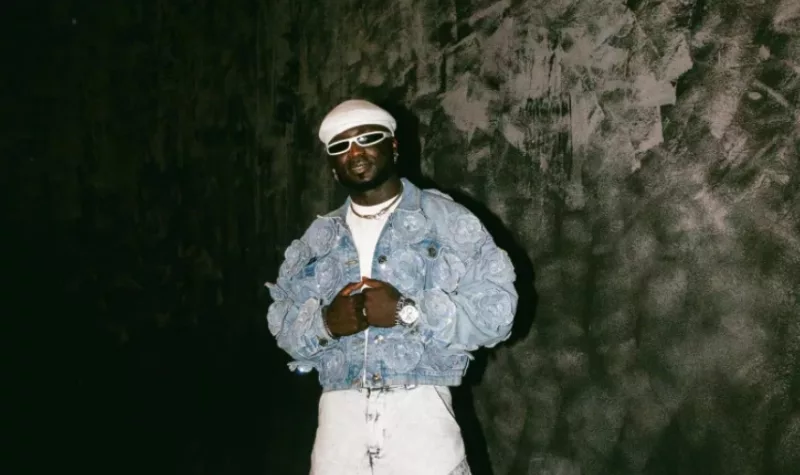
During his first visit in May, Recording Academy President Panos Panay held a high-level talk with President William Ruto to explore strategic opportunities within Kenya’s creative economy. This month, Panay joined a high-profile delegation, including senior executives from the Grammys, Latin Grammys and Hollywood, who visited Nairobi to explore deeper creative and business ties between Kenya and the United States.Recording Academy President Panos Panay, together with Latin Recording Academy CEO Manuel Abud and Nicky Weinstock, President of Invention Studios in Hollywood, met with Kenyan musicians, artists and creative industry players, the likes of Amb Thomas Kwaka, also known as Big Ted, Octopizzo, DJ Pinye, Suzanne Owiyo, Iyanii, Sophia Nzau, Anto Neo Soul, Prince Indah, among others, to explore more possibilities for creative business advancement and growth during a two-day networking event in Nairobi.The engagement brought together key players in the creative industry, among them artists, songwriters, producers, make-up artists, entrepreneurs, and other players in Kenya’s creative sector, with Deputy Chief of Mission Carla Benini, Counsellor for Public Affairs Drew Giblin and Hustle Sasa Founder Peng Chen among those in attendance.For Panay, who heads the organisation behind the Grammy Awards, Kenya’s appeal lies not only in its artistic talent but also in the energy of its young population, its rapidly changing digital landscape and the ambition of its people. He said each visit had reinforced his belief that Kenya can play a much bigger role on the global creative stage. “You come to the continent, and you realise just the excitement and the enthusiasm of youth that exists here,” Panay said. He further described Kenya as a great country looking to assert itself, adding that, given its size, history, depth of culture and the ambition of its people, he believes the country was “much below its weight.” But he emphasised the changing shift, pointing to the growing number of creative entrepreneurs and international players coming into the country, as well as the quality and diversity of Kenyan artistic talent in Africa and worldwide.
Panay was amused by the way Kenyans are consuming music and media through digital platforms.
“When you come to a country like Kenya, you hear statistics that there are over 90% users of smartphones, and people are primarily consuming music and media through their mobile devices,” he said.
Advertisement
Advertisement
His visits to creative businesses and facilities, including 1RPM and MultiChoice Studios, offered a glimpse into the vibrancy of Kenya’s creative sector.
But beyond the talent and technology, Panay said government interest in supporting the creative economy could be critical in attracting greater attention from businesses and investors.
He applauded the involvement of the U.S. government and the Embassy in Nairobi in facilitating the delegation’s visit, which demonstrated the importance of intentional engagement between the two countries.
Latin Grammys CEO Manuel Abud and Polycarp Otieno, also known as Fancy Fingers, during a networking event at Tribe Hotel on September 11, 2026./DOUGLAS OKIDDY“These programs for me signal intentionality from both sides,” Panay said. “When the American Chamber of Commerce is interested in putting on an event and brings American business people together with Kenyan business people, it makes it very important.”
Panay said such engagements could go beyond individual business deals, helping to “transform mindsets, unlock possibilities, and foster the kind of ties that are really, really critical that focus on creating an enabling environment.”
US Embassy deputy chief of Mission, Carla Benini, in her remarks said the U.S. mission viewed the creative industries as more than a cultural sector.
“Maybe I'm a creative bureaucrat, but when I look at the creative industries, we want it to be this asset class,” Benini said. "The mission is looking at the business environment and whether policies and regulations were inhibiting the sector from reaching its potential."Benini said continued engagement with the Kenyan government would be important in ensuring “freedom for investment, freedom for innovators to make it happen.”Giblin, meanwhile, highlighted the broader opportunities for collaboration between American and Kenyan companies, innovators and creative industry leaders in sectors including music, film and television.He also highlighted the importance of African partnerships in developing content and creative products capable of connecting with audiences across the continent.Media personality Anto Neosoul, Catherine Kamau and singer Sofiya Nzau during a networking event at Tribe Hotel on September 11, 2026./DOUGLAS OKIDDYFor Giblin, Kenya’s potential extends beyond its creative talent to the wider business opportunities that can emerge when American expertise and investment connect with Kenyan entrepreneurs and innovators.
He pointed to major sporting events as potential catalysts for the creative economy, particularly with Kenya set to co-host the 2027 Africa Cup of Nations alongside Tanzania and Uganda. Such an event, he noted, could create opportunities across music, film, sports and other creative industries.
Musician Polycarp Otieno, popularly known as Fancy Fingers, said: "U.S.-Kenya collaboration in the creative industry has become increasingly intentional, creating opportunities for institutions and artists from both countries to work together."
Noting that the upcoming AFCON tournament will offer a major opportunity to showcase Kenya’s creative talent globally, which will create jobs and strengthen the wider economy, with the Grammys and other U.S. industry leaders exploring ways to plug into the event.
These conversations come at a time when Kenya’s musicians, filmmakers, digital creators and other artists are increasingly looking beyond the domestic market for audiences, investment and sustainable business opportunities. And the presence of senior executives from the Grammy and Hollywood industries therefore offers a potential bridge between Kenyan creative talent and international markets.
Advertisement
Advertisement
Latin Grammys CEO Manuel Abud, President of the Recording Academy (Home of the Grammys) Panos Panay, US Embassy Deputy Chief of Mission, Carla Benini, President of Invention Studios, Hollywood Nicky Weinstock and Hustle Sasa Founder Peng Chen, during a networking event at Tribe Hotel on September 11, 2026./DOUGLAS OKIDDY
For Kenya, the challenge will be turning international interest into tangible opportunities, from investment and partnerships to intellectual property development, international distribution and stronger pathways for artists to build sustainable careers.
The engagement points to a broader conversation about the future of Kenya’s creative economy, whether the country can transform its youthful population, artistic talent, technology and entrepreneurial energy into a globally competitive industry.
For Panay, the possibilities are already becoming visible. Reflecting on his own childhood growing up on an island with limited connectivity, he said the world had changed dramatically.
“Now, between this and the connectivity that exists, man, it's only a matter of time,” he said.

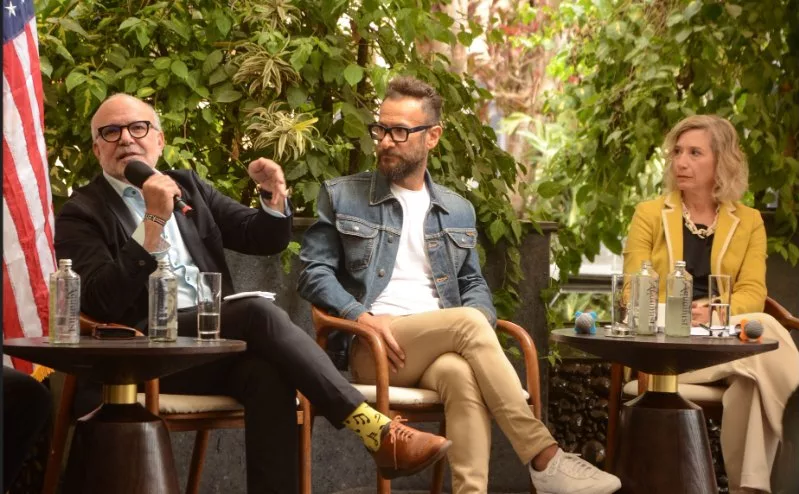 Latin Grammys CEO Manuel Abud, President of the Recording Academy (Home of the Grammys), Panos Panay, US Embassy Deputy Chief of Mission, Carla Benini, during a networking event at Tribe Hotel on September 11, 2026./DOUGLAS OKIDDY
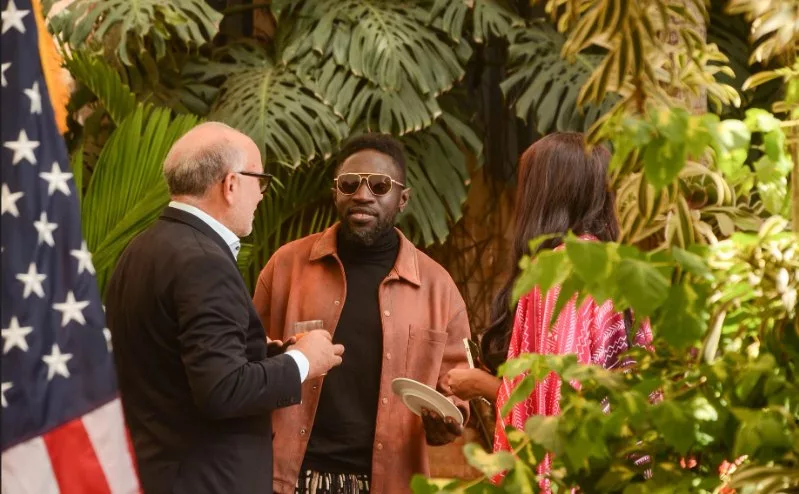 Latin Grammys CEO Manuel Abud and Polycarp Otieno, also known as Fancy Fingers, during a networking event at Tribe Hotel on September 11, 2026./DOUGLAS OKIDDY
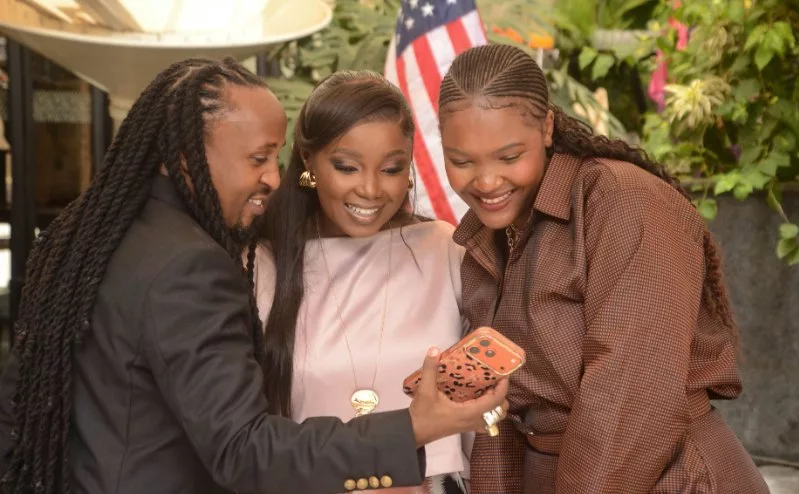 Media personality Anto Neosoul, Catherine Kamau and singer Sofiya Nzau during a networking event at Tribe Hotel on September 11, 2026./DOUGLAS OKIDDY
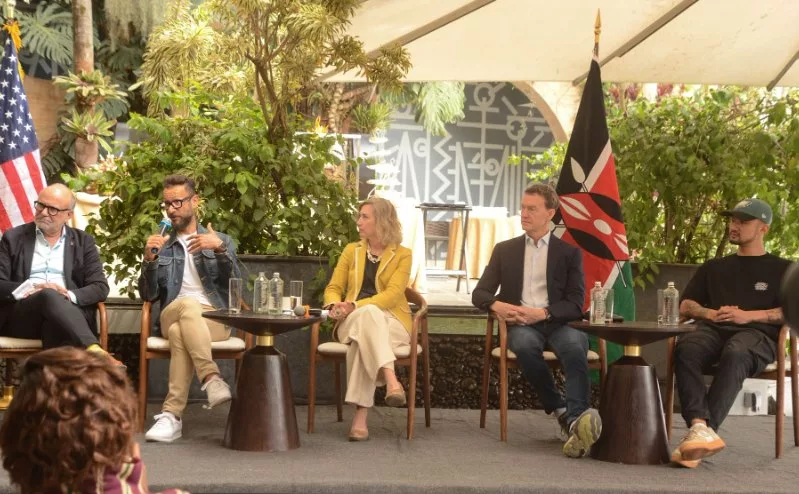 Latin Grammys CEO Manuel Abud, President of the Recording Academy (Home of the Grammys) Panos Panay, US Embassy Deputy Chief of Mission, Carla Benini, President of Invention Studios, Hollywood Nicky Weinstock and Hustle Sasa Founder Peng Chen, during a networking event at Tribe Hotel on September 11, 2026./DOUGLAS OKIDDY