The clergy who held a meeting will elders in Eldoret agreed to piled pressure on politicians to avoid inciting Kenyans during campaigns.
They want those seeking various elective seats to focus on peace and development issues instead of propagating hate and tribalism.
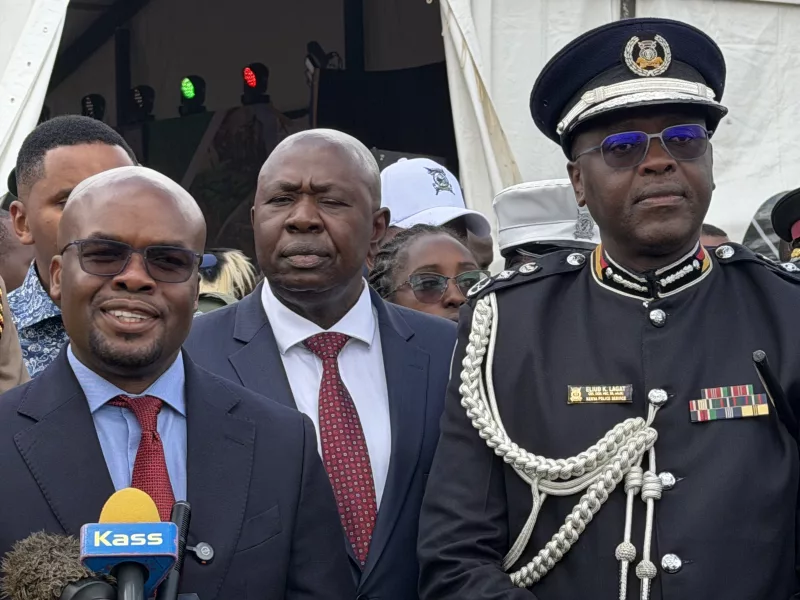
Coordinator of the clergy in the region, Bishop Phillip Rono and spokesman of the elders, Major (rtd) John Seii, led the meeting where they pledged to work together to promote peace and unity.
Advertisement
Advertisement
“All we want is peace, and we do not want situations where people lose lives or get injured just because of politics,“ Rono said.
He said they will meet and pray for political leaders while also urging them not to turn political contests into forums for hate and tribalism.
"At the end of the day, all the leaders are Kenyans who will remain in the country after the elections. There is therefore no reason why we should destroy our country just because of a political season that will always come and go. Kenya will remain our home always,” Rono said.
Seii said elders will focus on preaching peace and unity for all Kenyans during the campaigns.
“As the politicians go out to campaign, we will have our forums and also use all other meetings to ask Kenyans to keep peace, which is paramount for the stability of our country,” he said.
He said politicians should avoid making utterances aimed at causing tribal animosity and fear among Kenyans, saying everyone has the democratic right to participate in elections.
“Let’s use policies and development agenda as the basis to look for votes and not intimidation or threats that can cause damage to this country," Seii said.
The elders and bishops asked the IEBC, security agencies and other stakeholders to ensure the elections will go on smoothly so that the country remains stable.
Rono discouraged political leaders from using goons to perpetrate violence during campaigns and urged them to instead come up with plans that will help create jobs for the youth.
“We should positively use the energy in our youth instead of having them to harm each other or cause chaos that can’t benefit the country,” he said.
They have also planned to meet youth leaders and sensitise them on the need to support peace and unity of the country during the election period.
Last week, IEBC chairman Erastus Ethekon warned that Kenya must not take peace for granted as it prepares for the 2027 general election.
Recalling how a country once considered an island of peace was plunged into deadly post-electionviolence in 2007/08, Ethekon said violence that followed the disputed 2007 presidential election should remain a reminder that Kenya is not immune to political and ethnic conflict.
Speaking during a high-level meeting of the National Election Security Roundtable Consultative Forum, Ethekon said the country had learnt to form peace committees from the events of 2007/08.
“This programme started in 2007 and during that time, we used to think of Kenya as an island of peace in a sea of turmoil,” Ethekon said.
“Those who studied conflict and analysts in those days used to analyse regional conflicts. They never thought that the country could go the way it did in 2007, but it happened, and it was very unfortunate.”
Ethekon said the experience fundamentally changed how Kenya viewed electoral violence and conflict.
He recalled being among young officials called upon to support peacebuilding efforts after the violence, including efforts to stabilise Kibra and facilitate dialogue between communities.
“We went to 14 districts and we saw what the madness that is called electoral violence can cause to our society,” he said.
At the time, Ethekon said, conflict experts had largely focused on areas affected by cross-border and inter-community violence, particularly in northern Kenya.
“There was Kenya A and Kenya B. Kenya B, where some of us come from, had never known peace. It was about cross-border conflicts and that is why we learnt about conflict and its sources,” he said.
Peace committees had been established in areas such as Wajir, where communities had long dealt with conflict, but the 2007/08 violence demonstrated that electoral violence could erupt even in parts of the country considered peaceful.
“By the time we went to 2007, we realised that the part of Kenya where there was progress was now burning. Conflict happened in places where we thought there was peace.”

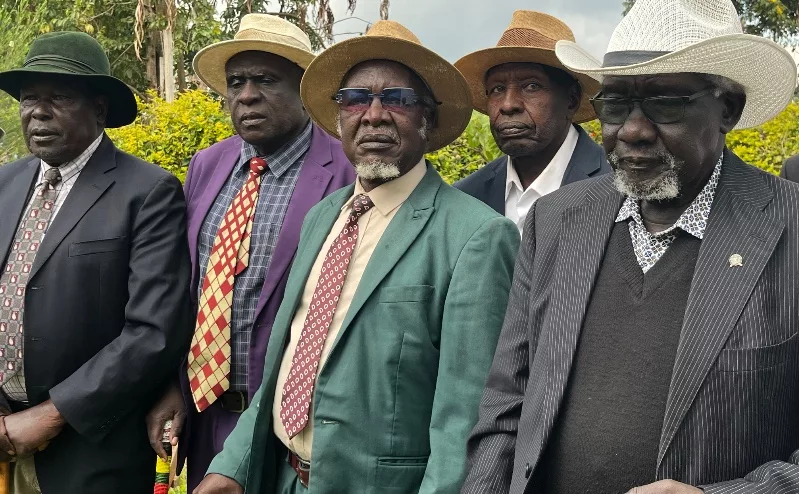 Elders after a meeting in Eldoret on Tuesday /MATHEWS NDANYI