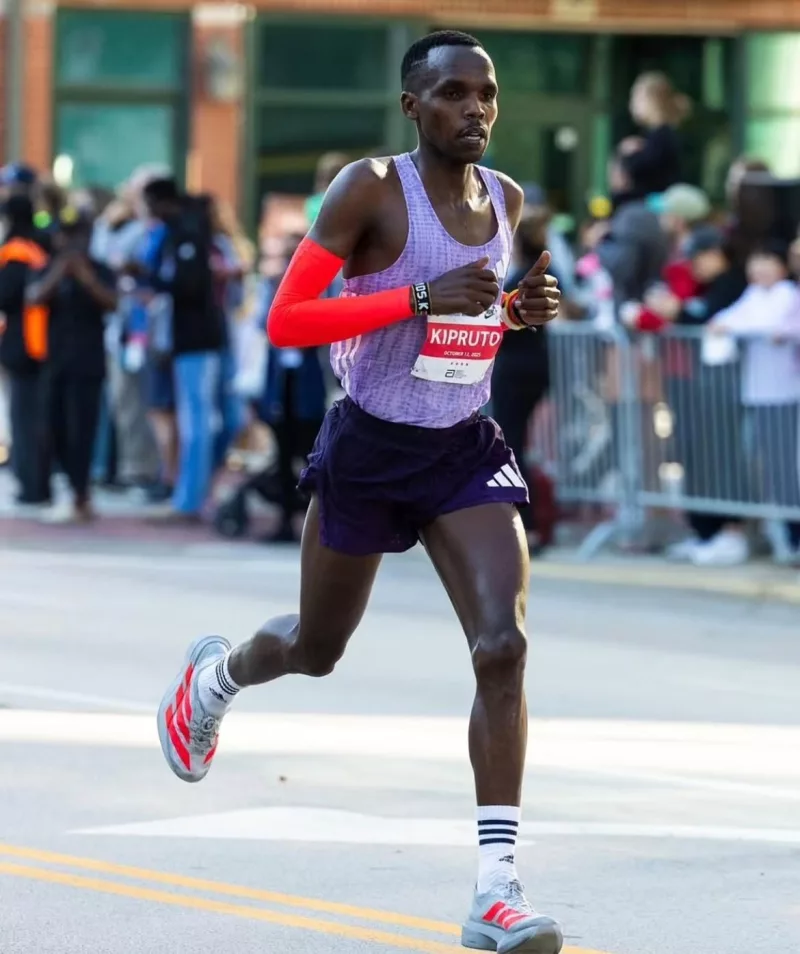
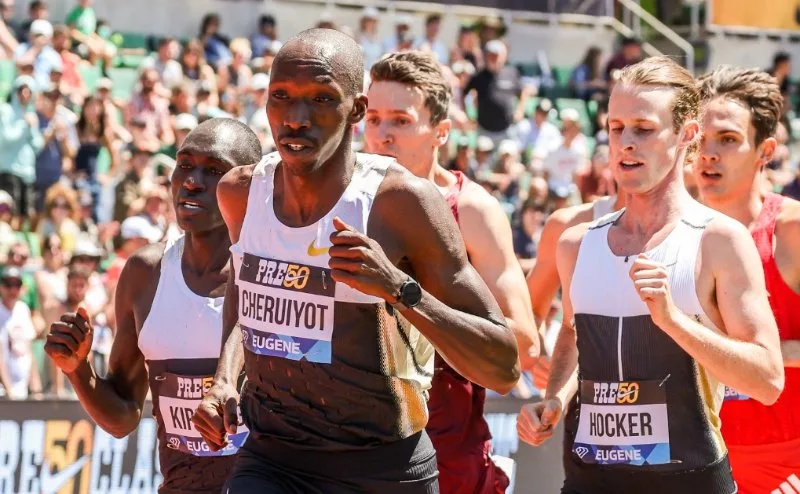
 Timothy Cheruiyot during a past race/ FILE
A brand new chapter in athletics begins this weekend as the World Ultimate Championship makes its debut in Budapest, Hungary, bringing together the world's finest track and field stars for a high-stakes season finale.
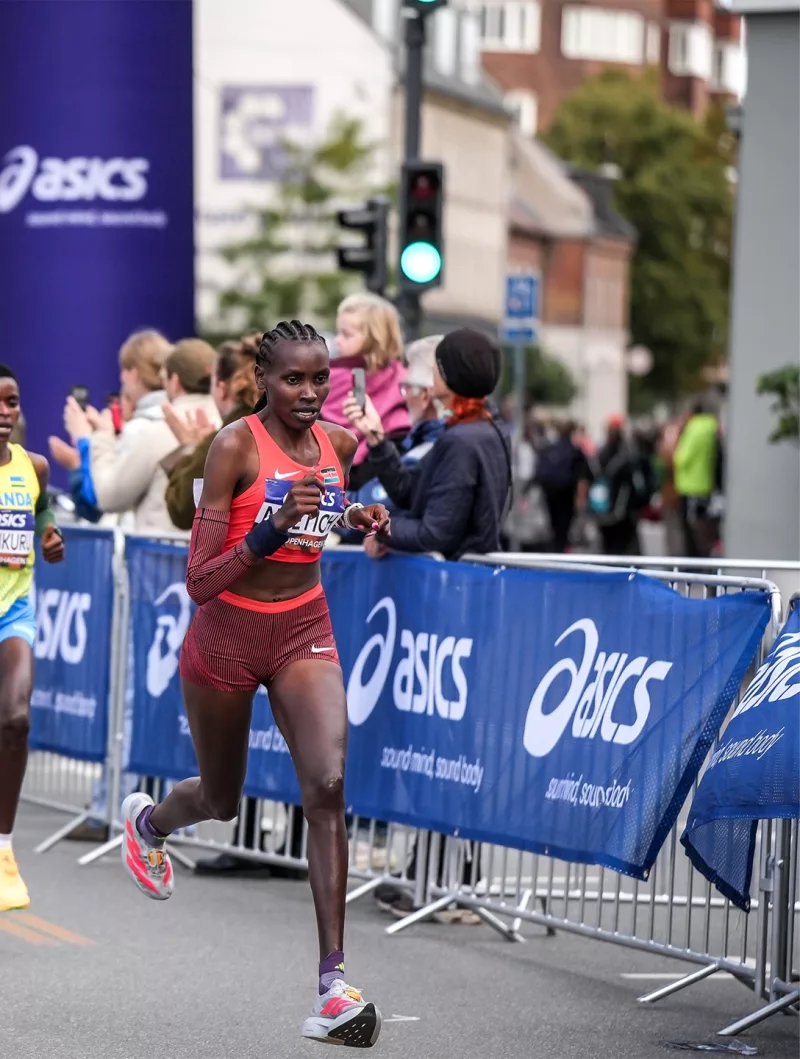
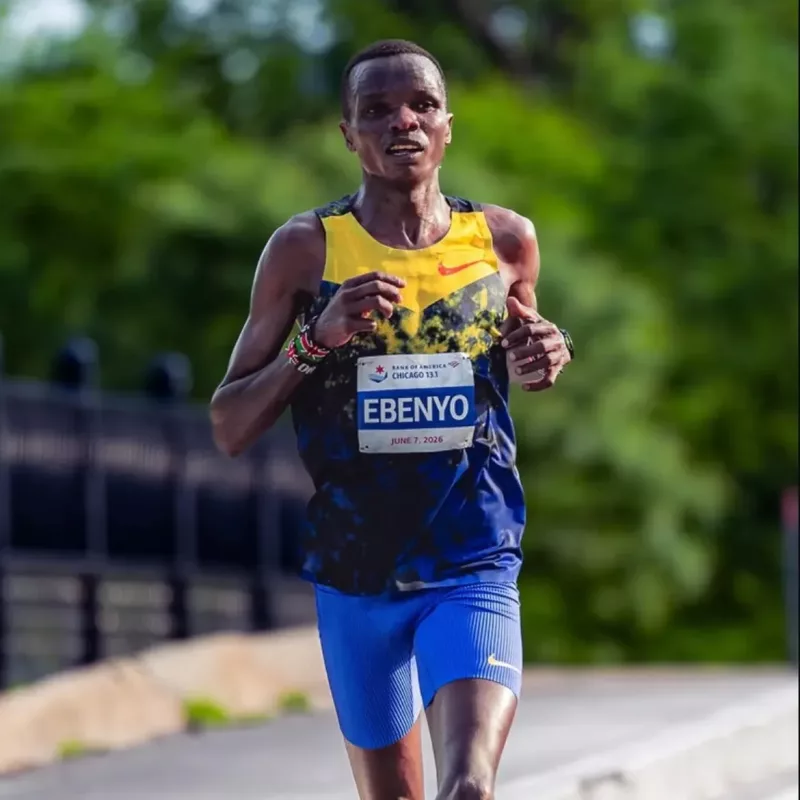
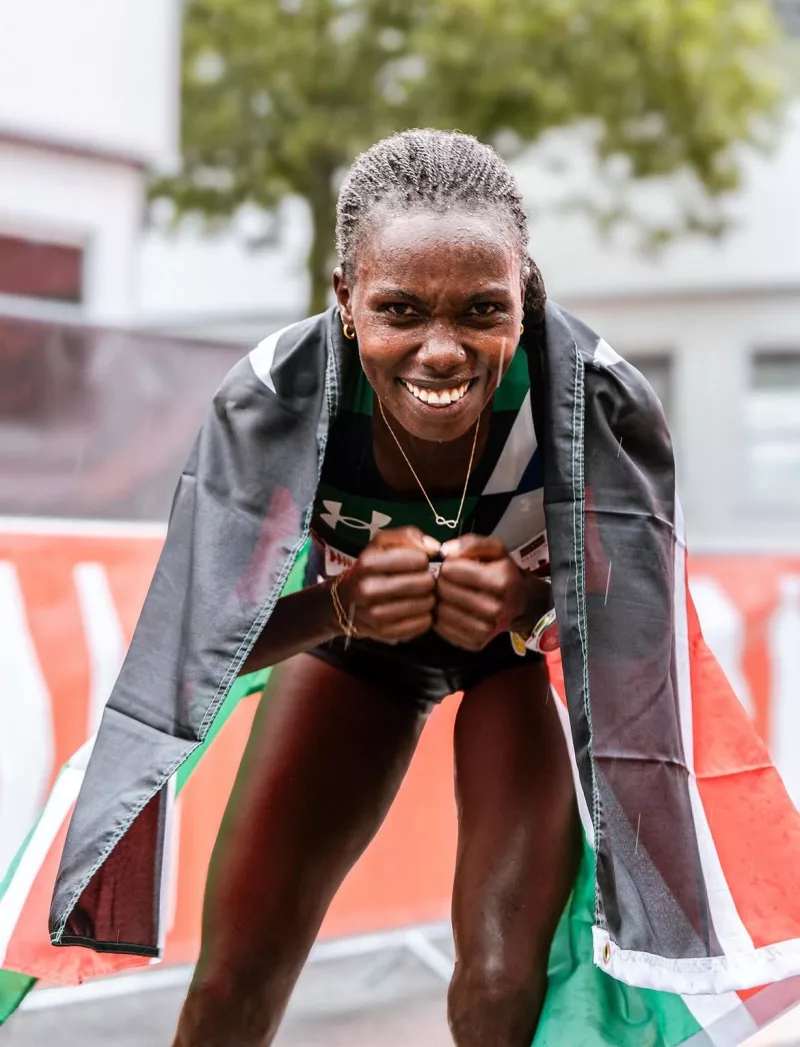
As always, Kenya will be among the nations chasing glory, with Olympic and world 800m champion Emmanuel Wanyonyi and world 1,500m silver medallist Dorcus Ewoi leading the country's challenge. Former world 1,500m champion Timothy Cheruiyot as well as 2016 Olympic javelin silver medallist Julius Yego are also heading to the inaugural event.
But what exactly is this new championship and why has World Athletics created it? Today's episode of Know Your Sport unpacks the brand new global competition and what it entails. The World Ultimate Championships is a biennial, invitation-only competition designed to feature only the very best athletes in the world.
Unlike the traditional World Championships, where hundreds of competitors qualify through national selections, this event is built around elite matchups, a television-first spectacle aimed at deciding the world's true number one in each discipline. The inaugural edition will be held from September 11–13, 2026, in Budapest across just three evening sessions, each lasting under three hours.
Instead of spreading competition over more than a week, World Athletics has condensed the action into a fast-paced programme with virtually no downtime.
A total of 28 disciplines will be contested. The track programme includes the men's and women's 100m, 200m, 400m, 800m, 1,500m, 5,000m as well as the sprint hurdles (100m/110m hurdles and 400m hurdles).
Field events will feature the high jump, pole vault, long jump and javelin for both genders, and the women's triple jump and men's hammer throw.
The mixed 4x100m and mixed 4x400m relays complete the schedule. Several familiar events are notably absent. The 10,000m, 3,000m steeplechase, race walks, shot put, discus and combined events were left out after World Athletics used fan engagement research and broadcast analysis to select the most dynamic events for a compact television window. The format is equally unique.
Distance races and relays are contested as straight finals, and field events feature small elite lineups with a progressive elimination system that reduces attempts from eight athletes to six and finally four. Vertical jumps cannot end in a tie, as jump-offs are used to determine the champion.
Qualification is based purely on excellence. Invitations are automatically awarded to Paris 2024 Olympic champions, Tokyo 2025 world champions and winners of the 2026 Diamond League Final. The remaining places are filled through World Athletics rankings and a limited number of host nation wildcards, with no national quotas, meaning multiple athletes from one country can compete in the same event if they have earned their place.
The rewards are unprecedented. The championship boasts a record Sh1.3 billion ($10 million) prize fund, the largest in athletics history. Individual champions receive Sh19.4 million ($150,000), second place earns Sh9.7 million ($75,000), and third takes home Sh5.2 million ($40,000), with prize money extending all the way to 16th place.
Winning relay teams collect Sh10.4 million ($80,000). The World Ultimate Championships is the brainchild of World Athletics president Sebastian Coe, who envisioned a marquee event for even-numbered years when there is no outdoor World Championships. More than just another competition, it is an attempt to modernise athletics with shorter broadcasts, bigger prize money and the sport's biggest stars competing head-to-head on one stage.