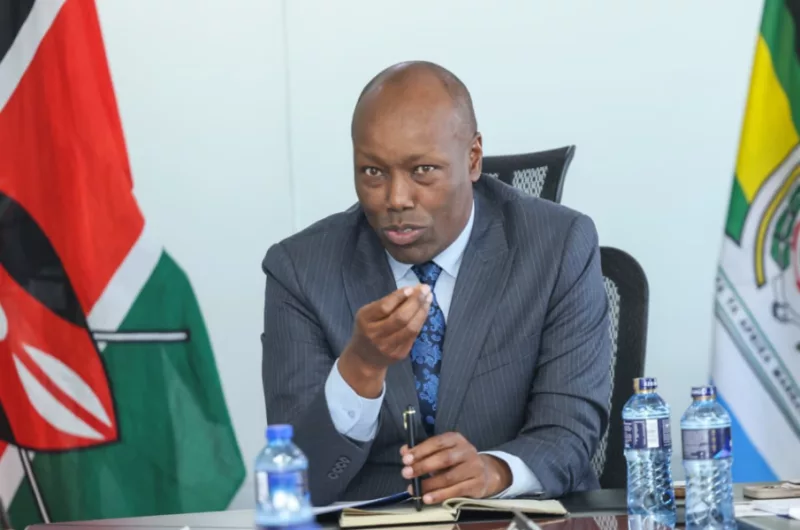
 Investments, Trade and Industry Cabinet Secretary Lee Kinyanjui. /FILE
The government has warned foreign nationals in Kenya that visa-free entry or exemption from electronic travel authorisation (eTA) requirements does not give them the right to work, trade or run businesses in the country.
Investments, Trade and Industry Cabinet Secretary Lee Kinyanjui said foreigners engaging in employment, retail or other commercial activities must comply with immigration, work permit and other regulatory requirements.
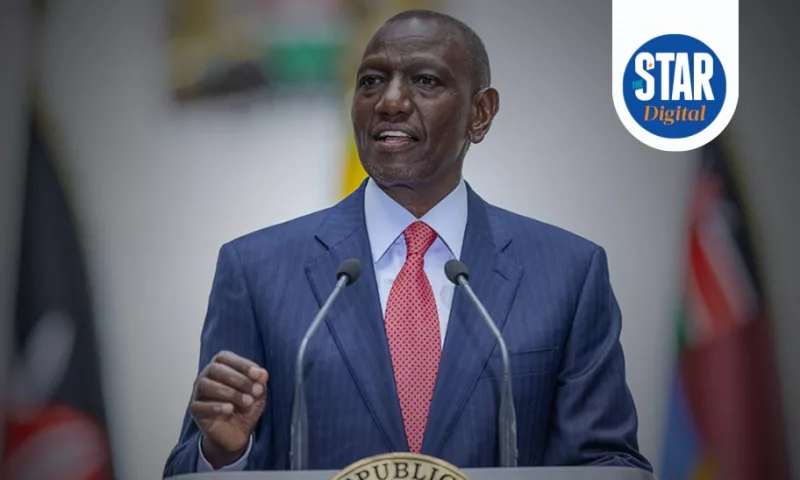
His clarification comes a day before the September 7 deadline set by President William Ruto for foreign nationals operating small-scale retail shops and hawking businesses to close the enterprises.
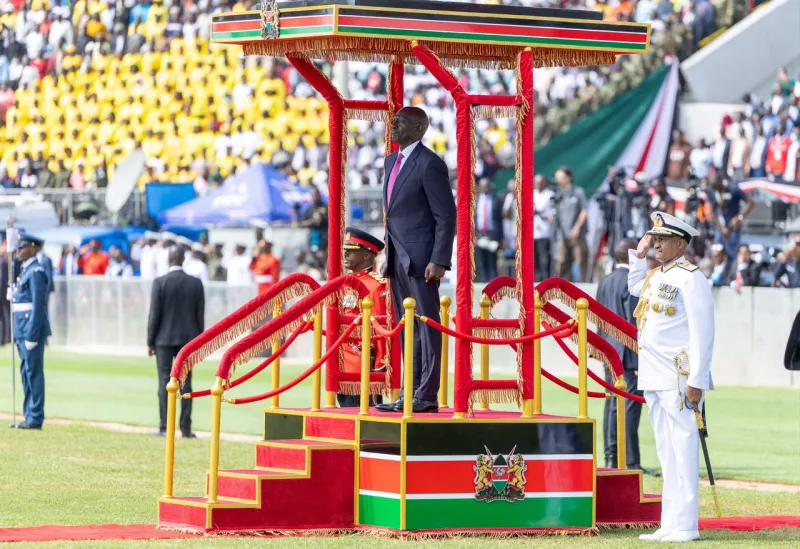
President Ruto issued the directive on September 2 at State House in Nairobi, saying petty trade and hawking should be reserved for Kenyan citizens while the country remains open to large-scale foreign investment.
In a statement on Sunday, Kinyanjui said Kenya's visa-free entry regime, introduced in January 2024, and subsequent removal of eTA requirements for citizens of most African countries in January 2025, would continue to be implemented.
However, Kinyanjui said some visitors had deliberately misused visa arrangements by entering the country as tourists or investors and then engaging in activities outside the terms of their status.
“Owing to the high number of foreigners involved in the retail and local trade sectors, there is therefore a need to align their activities and ensure compliance with work permit provisions,” he said.
"Visa-free entry or exemption from eTA requirements does not in itself confer the right to engage in employment, trade or business in Kenya. Such activities remain subject to the applicable immigration, work permit and other regulatory requirements."
Foreign nationals found violating the applicable immigration provisions risk having their entry status revoked, he added.
It means foreign nationals cannot rely solely on visa-free access or an exemption from eTA requirements to justify employment or commercial activity.
The directive is expected to have significant implications for Kenya's informal economy, where foreign migrants and some refugees have established livelihoods through small retail businesses, hawking and other petty trade.
Kenya has in recent years witnessed a growing presence of foreign traders, including nationals from East African Community partner states such as Uganda, Tanzania, Burundi and South Sudan, as well as traders from outside the region, including China.
Local traders have repeatedly complained that some foreign operators have an unfair advantage because they sell goods such as clothing, bedding and other merchandise directly on the streets or through small shops at prices they say are difficult for Kenyan micro-enterprises to match.
The government's position also comes as Parliament considers the Local Content Bill, 2025, which seeks to strengthen the participation of Kenyans in economic activities and supply chains.
Sponsored by Laikipia Woman Representative Jane Kagiri, the Bill proposes that foreign firms source at least 60 per cent of their goods, services and supplies from local Kenyan companies.
It also proposes that at least 80 per cent of the workforce of a foreign company should comprise Kenyan citizens.
Taken together, the presidential directive and proposed legislation could carry diplomatic and economic risks if affected countries respond with similar restrictions against Kenyans operating small businesses in their territories.
There's therefore need for Kenya to strike a balance and ensure protecting opportunities for local traders does not undermining regional trade commitments, legitimate foreign investment or the livelihoods of migrants who depend on the informal economy.
The implementation could prove sensitive, particularly within the East African Community.
However, Kinyanjui acknowledged that Kenya is bound by its regional commitments on the free movement of goods and people under the EAC Customs Union, saying these obligations would be considered when enforcing immigration and work permit requirements affecting citizens of partner states.
The CS said Kenya remained open to legitimate investors and businesses operating within the law and contributing to economic growth, job creation and development.
He said enforcement would be conducted in accordance with the law and in an orderly and transparent manner and would take into account the spirit of the EAC.