Kenya and UN Women are collaborating to confront AI-generated attacks and doxing against women candidates ahead of the 2027 polls.
UN Women and the Kenya government through the Communications Authority are working towards establishing the Agency Coordination Mechanism to curb the problem.
The agency seeks to fast-track policies aimed at mitigating the rise of AI-manipulated images and doxing targeting female candidates, according to the Africa Tech Policy Summit Report 2026.
UN Women and the Communications Authority are also working towards an agency mechanism to manage digital safety during the election cycle.
The warning comes as artificial intelligence makes it increasingly easy to create convincing images, videos and audio portraying candidates saying or doing things that never happened.
“Technology-Facilitated Gender- Based Violence (TFGBV) emerged as another major theme. Stakeholders discussed the increasing prevalence of online harassment, AI-generated abuse, doxing, and digital violence targeting women, political candidates, journalists, and vulnerable groups.
“Participants called for stronger integration of TFGBV into existing gender-based violence frameworks, improved digital safety mechanisms, survivor- centered support systems, and better coordination among government agencies, civil society organizations, and digital platforms,” the report reads in part.
It is against this background that UN Women and CA are working toward an agency coordination mechanism to manage digital safety during the election cycle.
Discussants noted that the emerging threat could amplify online abuse, which has already become a feature of past elections in an attempt to undermine candidates’ credibility, intimidate them or drive them out of political competition.
The 2022 election offers a glimpse of what may lie ahead. During the campaign, a doctored photograph circulated purporting to show then-Kirinyaga MP Wangui Ngirici attending a rally associated with then DP William Ruto. A reverse-image search found her image had been digitally inserted into an unrelated photograph.
Another fabricated graphic carrying the branding of a popular digital media claimed Ngirici had abandoned her bid for Kirinyaga governor, a claim she dismissed as fake, while the news organisation disowned the graphic.
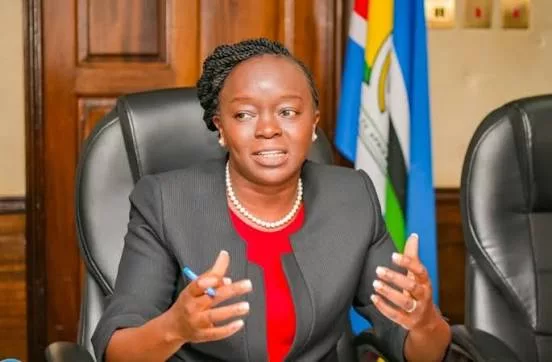
Raila Odinga’s running mate Martha Karua was also repeatedly targeted by fabricated political content.
A fake poster circulated claiming she had been selected as Ruto's running mate, while another fabricated graphic attributed inflammatory remarks to her.
A fake graphic purporting to be from Nation also claimed Karua had won a running-mate debate opinion poll. Nation subsequently labelled it fake.
With technology advancement and wider use of AI tools, what previously required basic photo editing or graphic-design skills can increasingly be produced using generative AI tools. A fabricated photograph can be made to look authentic, while synthetic video and cloned voices can potentially create much more convincing political deception.
The summit report specifically identifies AI-generated abuse, doxing and digital violence as growing forms of technology-facilitated gender-based violence targeting women, political candidates, journalists and other vulnerable groups.
Doxing — the malicious publication of someone's private or identifying information — adds another dimension to the threat. The exposure of personal information of aspirants and candidates can facilitate harassment, intimidation and threats beyond the digital space.
Women are often vulnerable because online attacks often focus on their personal lives, appearance and sexuality.
Research by Westminster Foundation for Democracy on violence against women in politics during the 2022 election found that 55.7 per cent of women's monitored Facebook accounts experienced some form of online violence, compared with 35.4 per cent of men's accounts. The attacks against women were often focused on personal and sexual aspects rather than their political qualifications.
UN Women has similarly documented how online abuse can push women away from politics.
Helen Tullie Apiyo, who contested an MCA seat in Kisumu in 2022, told UN Women that she experienced severe violence on Facebook, including attacks directed at her and her family. She subsequently said she would not seek an elected position again. UN Women reported that women candidates faced name-calling, threats and blackmail involving negative images, tactics intended to instil fear, undermine credibility and reduce women's participation in elections.