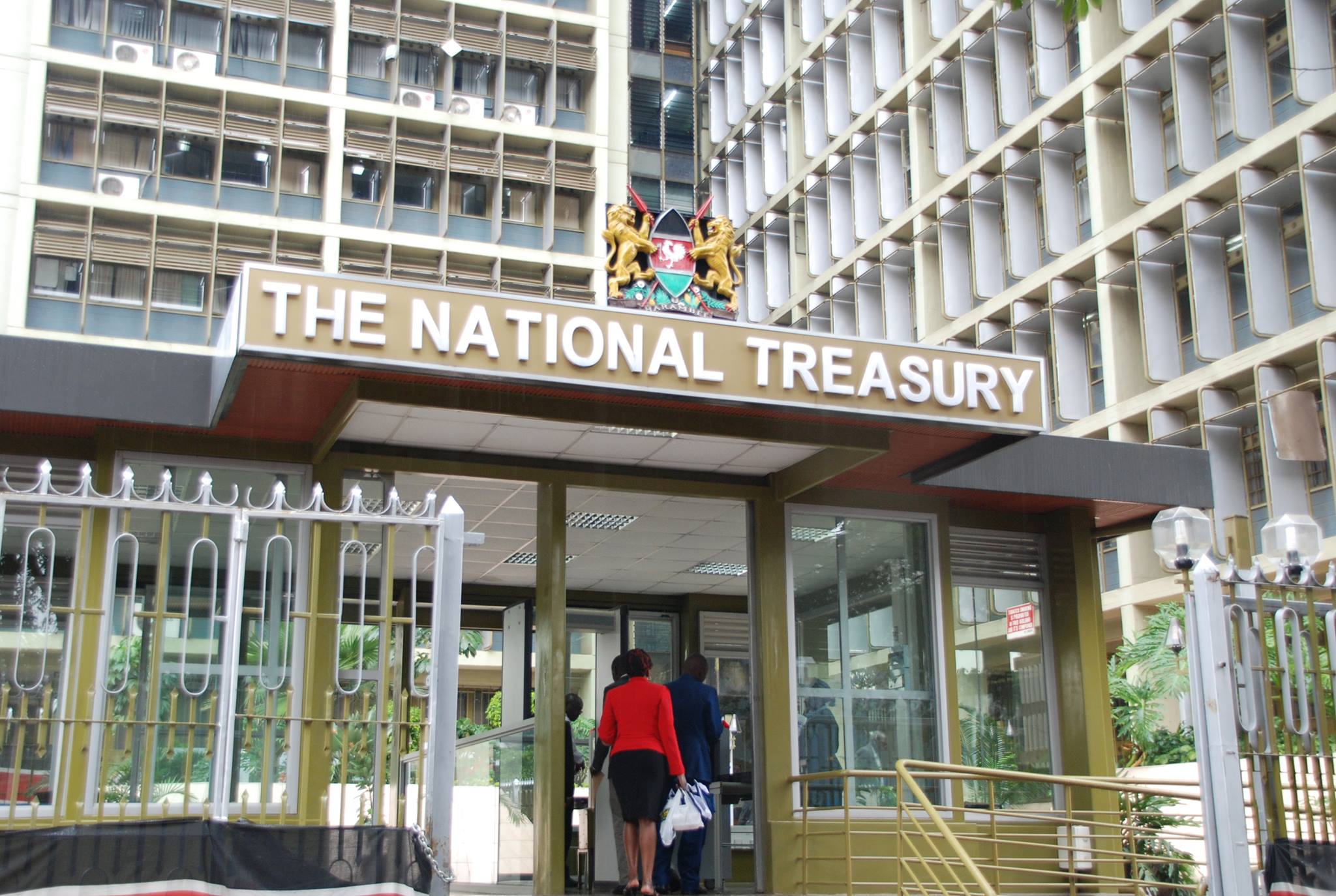
The draft National Policy on Unclaimed Financial Assets, released last month, comes as the value of unclaimed assets continues to rise sharply, exposing weaknesses in the systems used to identify owners, safeguard assets and reunite them with beneficiaries.
The proposed reforms put technology and data at the centre of the new framework.
The Government plans to introduce standardised reporting formats for institutions holding unclaimed assets and establish integrated data management systems to facilitate sharing, validation and reconciliation of information.
Existing unique identifiers and digital records will also be leveraged to improve the tracing of owners and beneficiaries.
The policy also seeks to simplify access to claims, particularly for low-value assets.
It proposes differentiated claims procedures to reduce the administrative burden on claimants and improve settlement rates.
Legal reforms will seek to bring emerging asset classes, including digital financial assets, within a clearer regulatory framework.
The Government also intends to harmonise provisions across laws governing financial assets to eliminate conflicts and strengthen enforcement of reporting and surrender obligations by institutions.
Asset protection is another major pillar. The proposed framework will cover the receipt, custody and safeguarding of different asset classes, while providing clearer rules for foreign currency-denominated assets.
Such assets would be surrendered in Kenya shillings using prevailing Central Bank of Kenya exchange rates.
The policy further proposes an enterprise risk management framework to strengthen accountability and protect assets held in trust for rightful owners.
The exchequer also wants UFAA to expand its physical and digital footprint.
This includes recruiting and training specialised staff, decentralising services, automating claims and reporting, and strengthening inter-agency coordination.
Public awareness will receive greater attention, with sustained education campaigns targeting both asset holders and beneficiaries.
Financial institutions, regulators, government agencies, professional bodies and other stakeholders will be expected to play a more active role in improving compliance and tracing owners.
The proposed reforms come with ambitious performance targets.
The policy seeks at least 90 per cent compliance among reporting institutions, at least 95 per cent accuracy in submitted reports and an annual reunification rate of at least 20 per cent.
At its core, the policy seeks to turn unclaimed financial assets from dormant wealth into resources returned to households and businesses.
The National Treasury argues that successful reunification can strengthen household savings, investment and economic resilience while protecting the constitutional right to property.
According to the policy, the estimated value of unclaimed financial assets in Kenya rose by 63 percent from Sh241 billion in 2018 to Sh394 billion in 2025.
The financial and insurance sector accounts for the largest share at 67.7 per cent, followed by the energy sector at 13 per cent and telecommunications companies at five per cent.
Insurance firms accounted for 5.3 per cent, while pension funds and Sacco societies held 0.1 per cent and 0.3 per cent respectively.
The estimates, based on regulators’ reports, Auditor-General audits, licensing records and other government data, underscore the difficulty of tracking dormant assets across a fragmented economy.
Yet only Sh2.8 billion had been reunited with rightful owners by December 2025, equivalent to about eight per cent of the assets held by the Unclaimed Financial Assets Authority (UFAA).
The figure represents an improvement from the 1.5 per cent reunification rate recorded in 2018, but remains well below the 20 per cent annual target under the Fourth Medium Term Plan and the policy’s cited global benchmark of about 40 per cent.
The policy attributes the low recovery rate to a combination of legal gaps, weak institutional capacity, poor-quality records, limited public awareness and cumbersome claims procedures.
A particular challenge is the largely manual nature of verification, which makes tracing beneficiaries costly and time-consuming.
The Authority’s centralised operating model has also limited its reach across the country, while weak integration with national identification systems makes it difficult to automate verification of owners and beneficiaries.