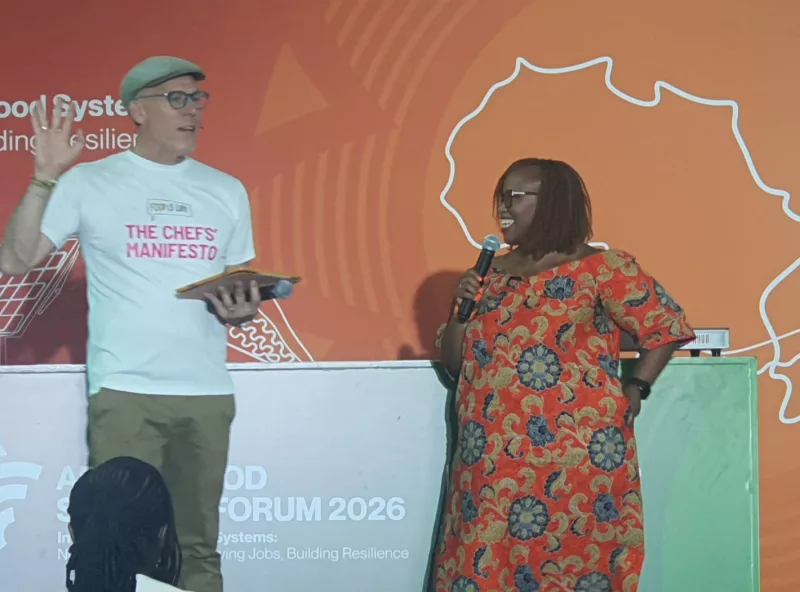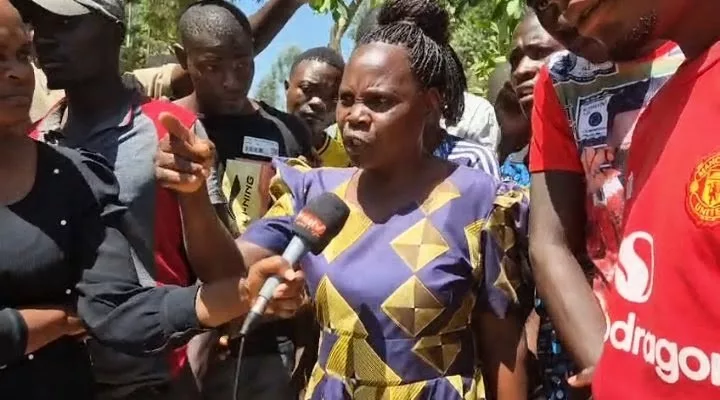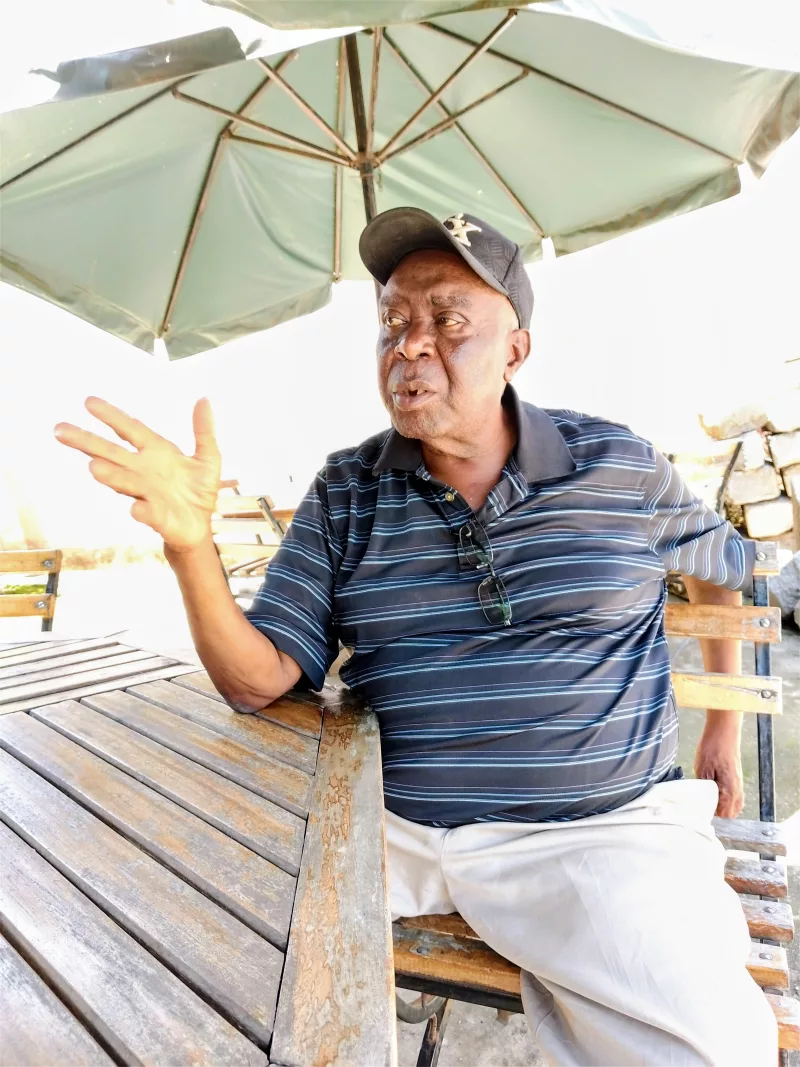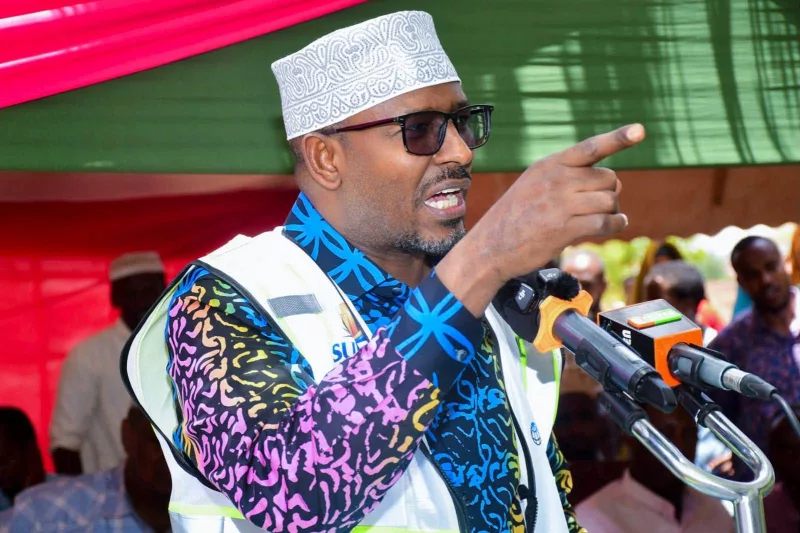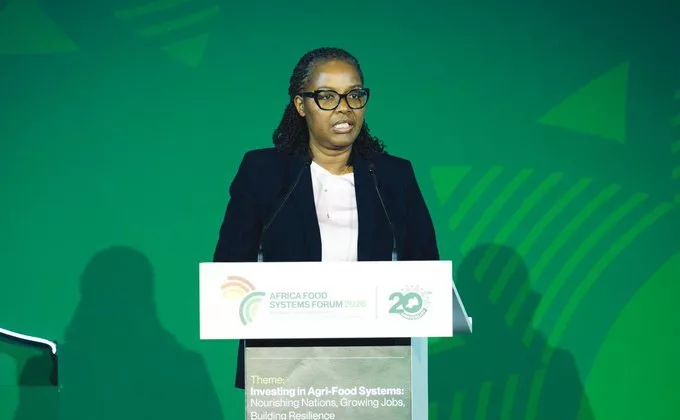
IFAD Vice-President Gérardine Mukeshimana announced on Tuesday that the funds will go towards expanding climate adaptation financing.
"Approximately 60% of IFAD’s core resources are invested in Africa. At this Forum, with Equity Bank, Finland, Denmark, NDF and GCF, we are launching a US$200 million blended finance mechanism to expand climate adaptation financing in Kenya, Tanzania, Uganda and Rwanda," she said.
Mukeshimana made her remarks during the opening ceremony of the 2026 Africa Food Systems Forum.
The Forum which is now in its 20th year has catalysed billions in agricultural investment, shaped continental food policy through the Malabo Declaration, and built an unrivalled network of stakeholders committed to advancing Africa's food systems.
The 2026 edition in Kigali, Rwanda convenes under the theme ‘Investing in Agri-Food Systems.’
It brings together over 5,000 delegates from over 50 countries for four days of high-impact programming, deal-making and policy dialogue.
Mukeshimana said latest State of Food Security and Nutrition in the World report shows that the rise in hunger in Africa has halted.
“Our task now is to turn this progress into lasting transformation."
She said African governments are already leading the way.
However, public finance alone cannot deliver the transformation needed, she said.
AGRA PresidentAlice Ruhweza said they began with a clear conviction 20 years ago.
“That African smallholder farmers were not just waiting to be saved. They were waiting for the conditions around them to work - soils, seeds, science, knowledge, markets, finance, policy, partnerships,” she said.
Ruhweza said farmers always had the innovation and the courage.
“They just needed a system to carry them forward. And that is the part that we've done. But we haven't done it alone. It is not the story of one institution. It is the story of many arms, many of which are in this room".
Africa Food Systems Forum Managing Director Amath Pathé Sene said the first 20 years prove that Africa can convene with excellence, ambition and impact.
“Our next 20 years must prove that Africa can deliver. We must move capital, we must move businesses, we must create jobs for African young people and our women, we must nourish our people and we must build food system capable of withstanding the climate change challenge ahead. This is the next chapter of the Africa food system," he said.
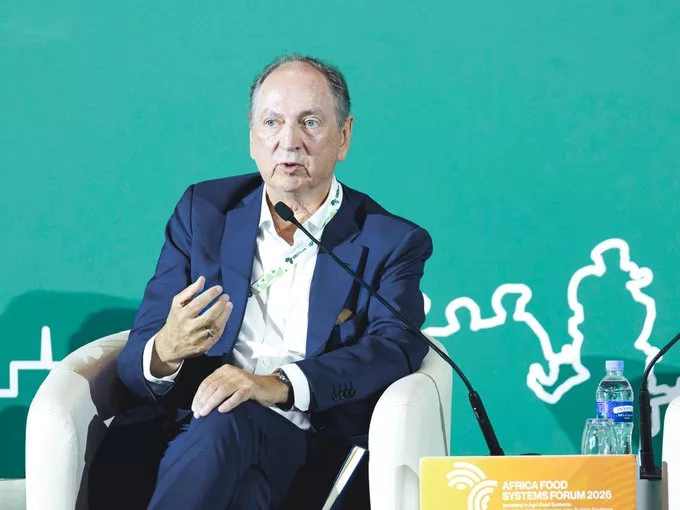
Yara Special Adviser on Sustainable Development Arne Cartridge said there is a need for consensus on what needs to be done.
"We have technical alignment but we need technical consensus. If we stay as 54 fragmented markets, I don't think we will get the scale that is required. We need to find ways, how the continent works together across borders to create bigger markets," he said.
Rwanda Prime Minister Dr. Nsengiyumva Justin said his country like many countries across the continent, is learning what it takes to translate agricultural potential into broader prosperity, and it is this very spirit that underpins our commitment to the Comprehensive Africa Agriculture Development Programme (CAADP).
"We welcome the CAADP Strategy and Action Plan for 2026–2035 as an opportunity for countries to learn from one another while translating shared commitments into action.”
Justin said the strategy will succeed through collaboration.
“None of us can do this alone. No single government, business or institution has all the answers or all the resources required. But together, we have what it takes."
Commissioner for Agriculture, Rural Development, Blue Economy and Sustainable Environment, African Union Commission Moses Vilakati challenged African countries to confront the reality.
“Africa spends a lot to import food, yet we have the resources. Every carton of milk and every kilogram of meat should represent an opportunity for African farmers. We must reduce food imports. Africa should become a proper processor of food. Not an importer."
Rwanda Minister of Agriculture and Animal Resources Dr. Telesphore Ndabamenye said beyond the numbers, the quality and depth of discussion on finance, soil health, climate resilience, digital agriculture and AI, nutrition, trade, food corridors, youth and women entrepreneurship, and investment demonstrate that Africa is not short of ideas, innovation or opportunities".
"The task before us is to move from dialogue to implementation, from commitment to investment for our farmers, businesses, communities and economies."