Nairobi is increasingly becoming a stop that major African artists consider when introducing new music to audiences outside their home markets.
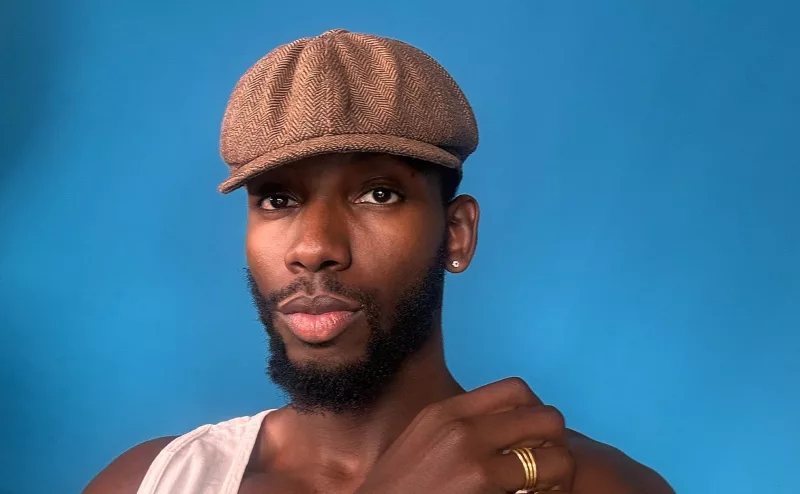
The latest example is Nigerian singer Patoranking, who held an exclusive listening experience in Westlands ahead of his upcoming project.
The event brought together Kenyan musicians, industry players, media personalities and influencers, giving the Nigerian star an opportunity to test his new material in one of East Africa’s most active music markets.
For Patoranking, the Nairobi connection is not new. He previously held an exclusive listening party for his 15-track album World’s Best in Westlands, where he performed the project for an audience that included Sauti Sol’s Bien-Aimé Baraza, Chimano and representatives from Boomplay.
Nairobi is becoming more than a touring destination for African stars. It is increasingly a place to introduce, test and build momentum around new music.

Why Nairobi matters
The city has a young and highly engaged music audience.
Spotify reported in July that listeners aged 18 to 24 account for 53.7 per cent of music streams in Nairobi. The platform also found that the evening period between 6pm and 9pm represented 20.9 per cent of daily music listening among that age group.
That audience is also exposed to music from across the continent.
Patoranking's presence therefore places Nairobi within the wider conversation about how African music travels between markets.
His catalogue already reflects that cross-border approach. He has worked with artists including Diamond Platnumz and Sauti Sol, while his official biography lists collaborations with international names such as Major Lazer, Wizkid and Davido.
What Patoranking sees in Kenya
This publication is contacting Patoranking to ask why Nairobi was selected for the listening experience, what he believes makes Kenyan audiences different and whether Kenyan artists could appear in his upcoming collaborations.
Those questions matter because the relationship between Nigerian and Kenyan music has increasingly moved beyond occasional performances.
Patoranking has previously worked with Sauti Sol on “Melanin”, while his more recent African collaborations have included Tanzanian star Diamond Platnumz.
The next step could be more direct collaboration with Kenyan artists.
Nairobi's growing role
The city's appeal is also being reinforced by major music platforms.
Spotify brought its Greasy Tunes residency to Nairobi in July, describing the programme as an attempt to take the city's listening culture from playlists into physical spaces. The 12-day programme combined performances, workshops, podcasts and music-focused events.
For international African artists, that ecosystem offers more than fans.
It provides access to musicians, producers, brands, media and a regional audience that can help extend a project beyond its original market.
Patoranking's latest Nairobi visit raises a bigger question: is Kenya becoming one of Africa's preferred testing grounds for music with continental ambitions?
His response could provide an indication of whether Nairobi's growing importance is simply about its audience or whether the city is becoming part of the creative strategy behind Africa's next wave of cross-border music.