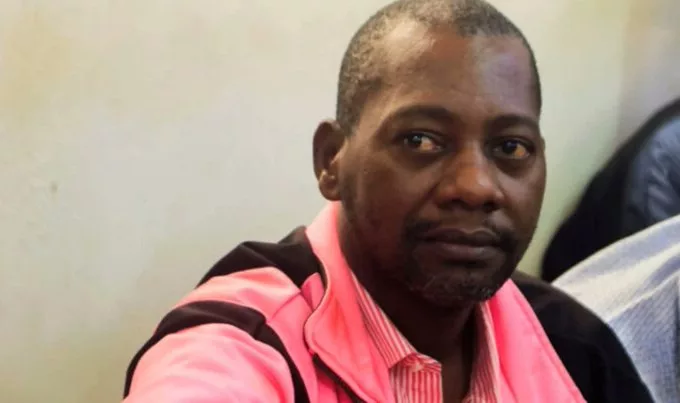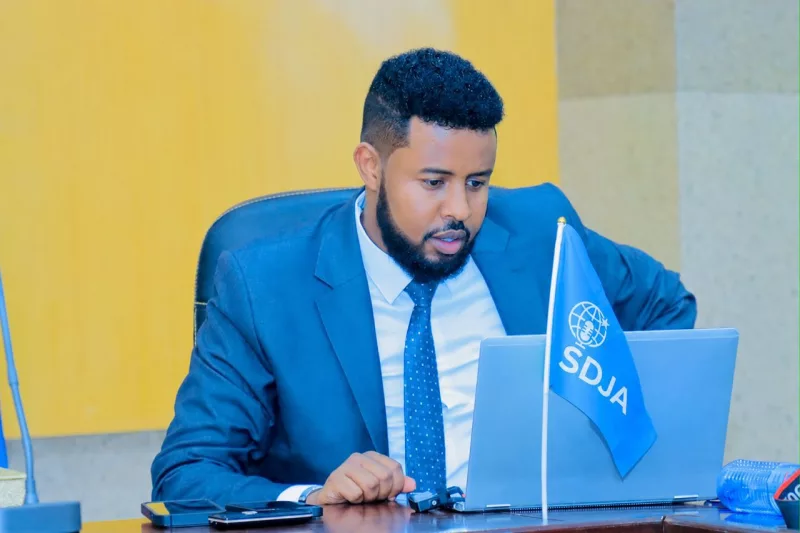
The Somali Diaspora Journalists Association (SDJA) has entered a new chapter following the election of Mohamed Yusuf Said, widely known as Bakayle, as its new chairperson on February 20.
Bakayle, a seasoned journalist with extensive experience in political reporting and field journalism, has been entrusted with leading the association for a two-year term.
His election marks the beginning of a new leadership period focused on strengthening professional journalism, expanding opportunities for Somali diaspora media professionals, and building stronger connections between Somali journalists and international media institutions.
Following his election, Bakayle outlined an ambitious vision for his two-year mandate, placing professional development, journalist safety, and international cooperation at the centre of the SDJA’s future agenda.
He pledged to work towards securing advanced training and capacity-building opportunities for Somali diaspora journalists and media workers, enabling them to strengthen their professional skills and adapt to the rapidly evolving global media landscape.
The new leadership also plans to promote access to specialised training in areas including modern journalism practices, digital media, investigative reporting, media ethics, and other emerging areas of the profession.
A key priority of Bakayle’s leadership will also be the establishment of stronger safety and support networks for journalists.
Recognising the challenges faced by media professionals, particularly those working in difficult environments, the SDJA aims to develop mechanisms that promote journalist protection, professional solidarity, and access to support networks.
Under his leadership, the association also plans to strengthen cooperation between international media organisations and local Somali newsrooms.
The initiative is expected to create greater opportunities for knowledge-sharing, professional exchanges, mentorship, and collaborative reporting.
Through these efforts, the SDJA hopes to help bridge the gap between Somali media professionals and the wider international journalism community, while contributing to higher reporting standards and stronger global partnerships.
As Mohamed Yusuf Said begins his two-year mandate, his leadership is expected to focus on building a more connected, professionally equipped, and internationally engaged community of Somali diaspora journalists—one capable of contributing meaningfully to the development and advancement of journalism within Somali communities around the world.