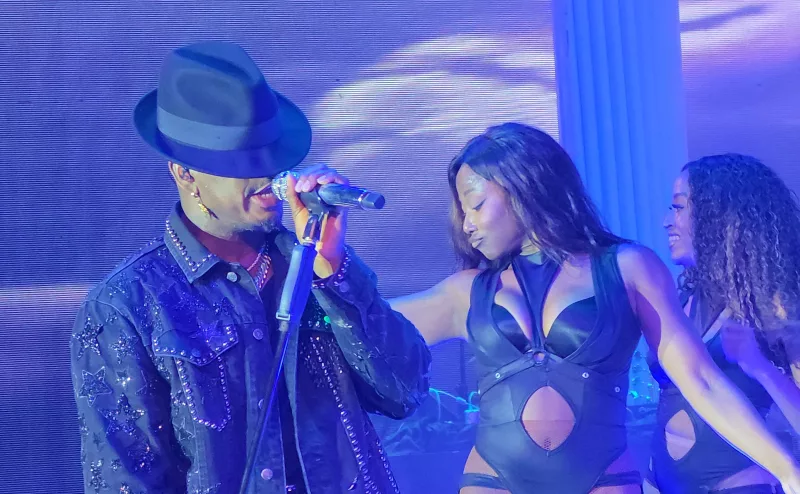
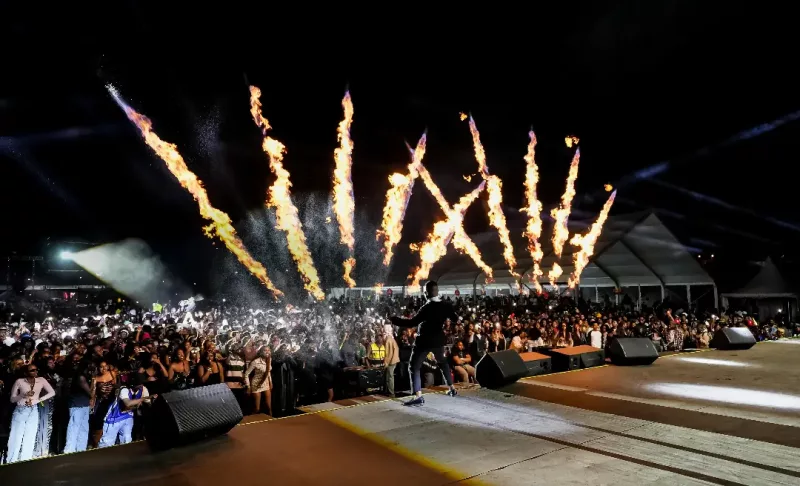
On Saturday, August 29, Uhuru Gardens was transformed from a site steeped in Kenya’s history into one of Nairobi’s biggest contemporary dance floors.
Thousands of young Kenyans gathered for TheMostWanted & Friends Africa Live Tour, drawn by a lineup featuring some of South Africa’s biggest names, including Dlala Thukzin, Scotts Maphuma, Nkosazana Daughter, Thukuthela, Jazzwrld and GL Ceejay.
But beneath the lights, music and massive crowds was a bigger story.
Nairobi’s nightlife is changing—and amapiano is at its centre.
Read Also
When South Africa Came to Nairobi
Kenyan nightlife once had a distinctly local soundtrack.
Genge, gengetone, kapuka and Kenyan Afro-pop regularly dominated clubs, matatus, university parties and radio stations. Nairobi had developed a musical identity of its own.
Today, those boundaries are becoming increasingly blurred.
South African sounds have found a comfortable home in Kenya, with amapiano moving from Johannesburg and Pretoria’s nightlife into Nairobi’s clubs, TikTok trends, parties and now some of the city’s biggest live events.
TheMostWanted was a striking example of that shift.
Why Nairobi Can’t Get Enough of Amapiano
Amapiano’s appeal may lie partly in its simplicity.
You do not necessarily need to understand every lyric to enjoy the music.
The bass, rhythm and dance culture do much of the work.
The bass, rhythm and dance culture do much of the work.
For a young Nairobi crowd looking for an escape after a long week, that can be enough.
The genre also thrives on participation. It is music made for crowded dance floors, viral videos and collective experiences.
And Nairobi has embraced it enthusiastically.

But Is Kenyan Music Losing Ground?
The success of imported African sounds raises an uncomfortable question.
Has Kenya simply fallen in love with amapiano—or is local music struggling to compete?
Criticism surrounding the event’s heavy amapiano presence and concerns about repetitive performances have added another dimension to the conversation.
It is a question worth asking because Kenyan music has an enormous history of creating sounds that once travelled beyond the country’s borders.
So why aren’t more Kenyan sounds commanding the same attention today?
A Cultural Exchange, Not an Invasion
It would be unfair to describe amapiano’s popularity as a takeover.
African music has always travelled.
Kenyan audiences have embraced Nigerian Afrobeats, South African house, Congolese rumba and countless other sounds without necessarily abandoning their own culture.
TheMostWanted demonstrated just how powerful that cultural exchange can be.
A Nairobi crowd dancing to South African music is not necessarily a rejection of Kenya.
It can also be evidence of a generation that sees African culture as one enormous musical ecosystem.
It can also be evidence of a generation that sees African culture as one enormous musical ecosystem.
The Challenge for Kenyan Artists
But there is a warning hidden inside that success.
If Kenyan artists want to dominate the next generation of African nightlife, simply copying whatever is trending will not be enough.
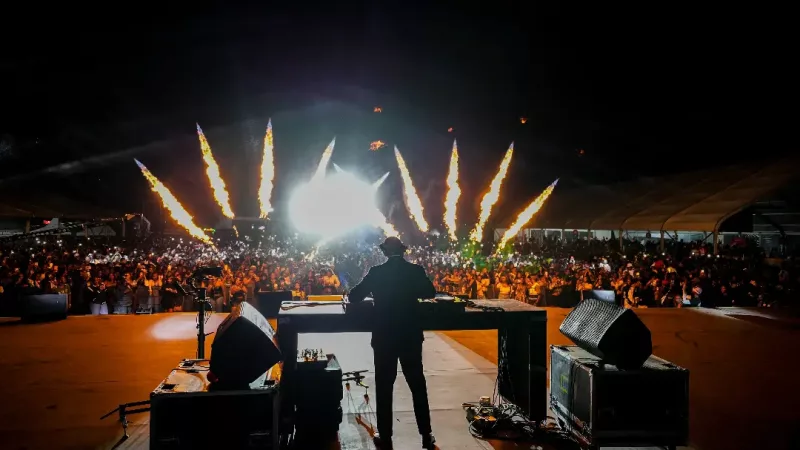
They will need sounds that feel fresh, collaborations that cross borders and performances capable of competing with the spectacle audiences are increasingly demanding.
The question is no longer whether Nairobi loves African music.
It clearly does.
The question is whether Kenya can create the next sound that Africa falls in love with.