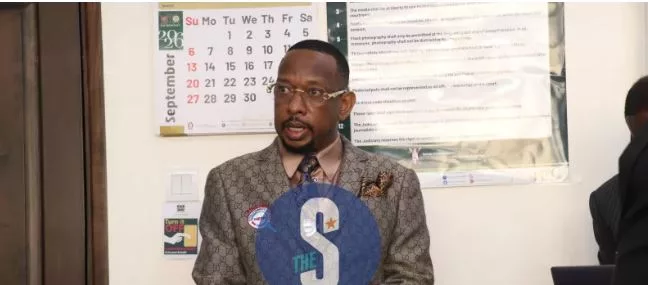
Students and human rights defenders have raised concerns over gaps in access to healthcare and sexual and reproductive health services as they assessed the implementation of Kenya’s 2010 Constitution at the University of Nairobi.
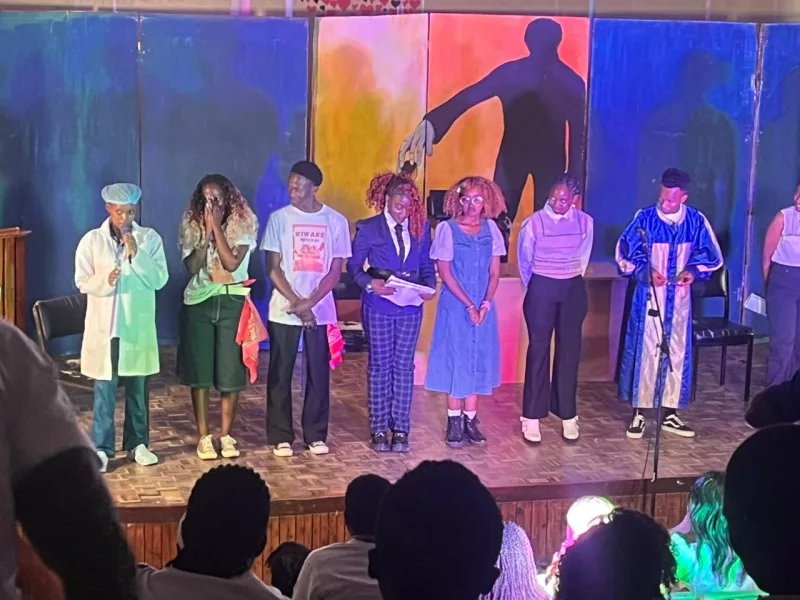
The participants converged at the university on Thursday to mark Katiba Day, using a theatre performance to examine how constitutional rights are experienced by young people seeking healthcare, information and justice.
The performance, Kanini, staged by members of the University of Nairobi Travelling Theatre, was inspired by a landmark court case involving a teenage girl who sought emergency medical treatment after developing complications during pregnancy.
Human rights defender Wangare Ireri said the play sought to bring out realities that may not be captured in court decisions, particularly the circumstances surrounding young people's access to healthcare and the decisions they make about their lives.
“Today for us when we are playing this out is to look at the dynamics that surround her,” Ireri said, referring to the girl at the centre of the case.
She said the performance was intended to help students understand their constitutional rights when seeking services, justice and recourse after those rights have been infringed.
“So we are here to pass information; we are here to sensitise people,” she said.
Ireri said the Constitution provides an important framework for young people to live with dignity, access information and exercise their freedoms.
She said holding the performance on Katiba Day was deliberate because the Constitution had, in her view, played an important role in protecting young people and providing avenues for redress when their rights are violated.
“When institutions have breathed life into Katiba, it has ensured that many comrades can access services without being detained, without being harassed,” Ireri said.
She added that young people should understand the information available to them so they can make informed decisions and avoid situations that could disrupt their education and lives.
The play's director, Ethan Kinyua, said the production was also intended to remind young people of their responsibility to uphold the Constitution.
“The play is important because it teaches us about the role we have in upholding the Constitution today,” said Kinyua, a student and member of the University of Nairobi Travelling Theatre.
He said the story follows a young girl who becomes pregnant and requires emergency medical intervention, but finds herself caught up in a dispute over the circumstances surrounding the procedure and subsequent arrest.
Kinyua said the production demonstrated that constitutional rights remain important even when people face difficult circumstances.
“This play shows us and teaches us that in everything that we do, even if it's the hard times of life, justice needs to prevail,” he said.
He said Chapter Four of the Constitution, which contains the Bill of Rights, provides protections that young people should understand and defend.
“There are some aspects where the power is abused at some point. And if the Constitution is there to keep us safe and things to be done just, we need to uphold it,” Kinyua said.
The discussions formed part of broader reflections on the implementation of the 2010 Constitution, with participants pointing to continuing challenges in access to healthcare, accountability and the protection of human rights.
Katiba Day is marked every August 27 to commemorate the promulgation of the Constitution in 2010.
The day provides an opportunity to reflect on the progress made in implementing the country's constitutional framework as well as gaps that continue to affect Kenyans.
At the university, the students and human rights defenders used theatre not only to revisit a significant court case but also to connect constitutional protections with the everyday experiences of young people seeking healthcare and exercising their rights.