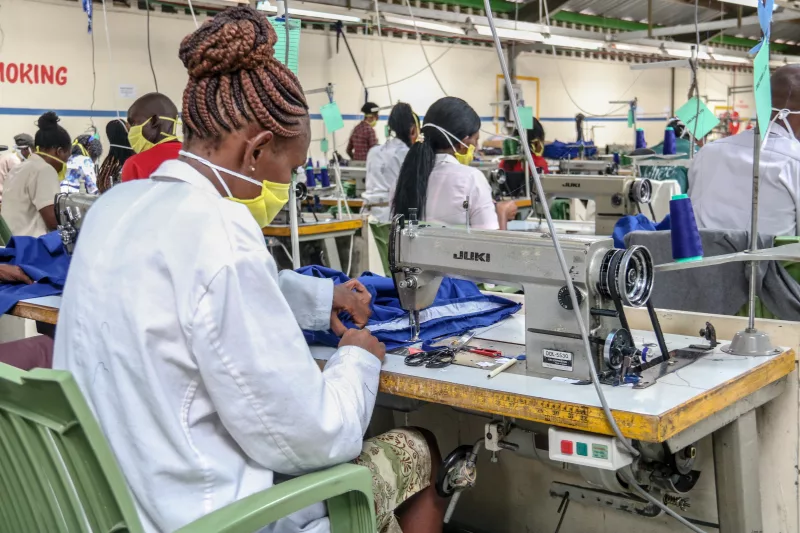
 For many smaller manufacturers, social commerce offers a relatively low-cost route to market. /HANDOUT
African skincare companies are increasingly turning to social media and online marketplaces to reach consumers, reducing their reliance on traditional retail as competition intensifies across East Africa’s growing beauty and personal-care market.
Platforms such as TikTok, Instagram and WhatsApp are giving smaller brands direct access to customers, allowing them to showcase products, build communities and take orders without first securing shelf space in supermarkets, pharmacies and specialist beauty stores.
The shift is changing how African-owned skincare businesses build and expand their brands, particularly those that lack the financial resources and distribution networks of established international cosmetics companies.
For many smaller manufacturers, social commerce offers a relatively low-cost route to market.
A product can be demonstrated through a short video, promoted by an influencer or shared through messaging groups before a customer places an order online.
Online marketplaces and delivery services can then extend that reach beyond the neighbourhood or city where a company is based, creating opportunities for businesses to test demand in new markets without immediately investing in physical outlets.
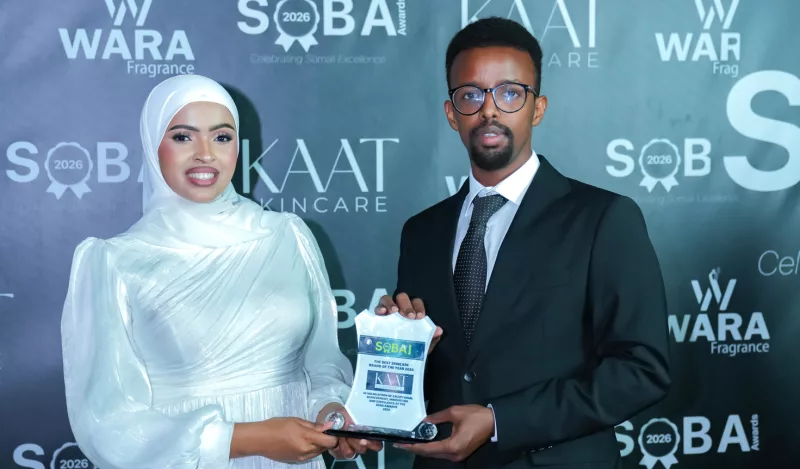
Kaat Skincare, which was recently named Best Skincare Brand of the Year 2026 at the seventh edition of the Somali Business Awards, illustrates the growing ambition among African beauty companies to build brands that can compete beyond their domestic markets.
Abdirahman Hussein Mohamed, CEO and Co-Founder of Kaat Skincare, said the company wants to develop into a recognised regional brand.
“Our ambition is not only to build a successful skincare company, but to establish Kaat Skincare as a leading regional brand from East Africa, recognized for quality, innovation and products that genuinely serve our consumers.”
The growing use of digital channels comes as consumers increasingly discover and evaluate beauty products online.
Product demonstrations, customer reviews and influencer recommendations can play a significant role in shaping purchasing decisions, particularly for younger consumers.
However, digital visibility does not automatically translate into a profitable business.
Companies still have to manage product development, manufacturing, packaging, regulatory compliance, inventory, fulfilment and delivery costs.
Reaching consumers in another country can also introduce additional expenses and regulatory requirements that can erode margins.
The challenge becomes greater when brands move from selling directly to consumers to supplying retailers and distributors.
Higher sales volumes may require larger production capacity, warehousing and reliable cross-border distribution.
Customer acquisition is another concern. While social media can provide inexpensive exposure, brands may increasingly have to spend on influencers, advertising and promotional campaigns to remain visible in crowded digital feeds.
For African skincare manufacturers, the key business question is therefore whether social commerce can evolve from a marketing tool into a sustainable regional distribution channel.
Kenya is particularly important to that expansion because of its established retail networks, developed mobile-money ecosystem and growing digital-commerce market.
A successful entry into Kenya could also give regional brands a platform from which to reach consumers in other East African markets.
The rise of social commerce is consequently lowering some of the barriers that previously limited smaller beauty companies, but it has not removed the fundamental challenges of scaling a consumer business.