Nyanza must move away from political rhetoric and adopt a deliberate economic agenda focused on investment, value addition, skills development and accountability if the region is to fully exploit its resources, leaders and professionals have said.
The call emerged during the TWAK Town Hall Series 2026, where professionals from academia, public service, the private sector, civil society and the media reflected on why Nyanza, despite its natural resources and human capital, has continued to lag behind its economic potential.
The dialogue examined opportunities in the blue economy, agriculture, tourism, mining, manufacturing and the digital economy, while discussing the barriers that have prevented the region from translating its resources into jobs, wealth and better livelihoods.
Participants said Nyanza’s proximity to Lake Victoria, fertile agricultural land, mineral resources, growing urban centres and a large pool of educated and skilled young people give it a strong foundation for economic transformation.
However, they said the region must confront persistent challenges, including limited value addition, inadequate access to markets, skills gaps, weak investment linkages and a failure to turn political commitments into measurable development outcomes.
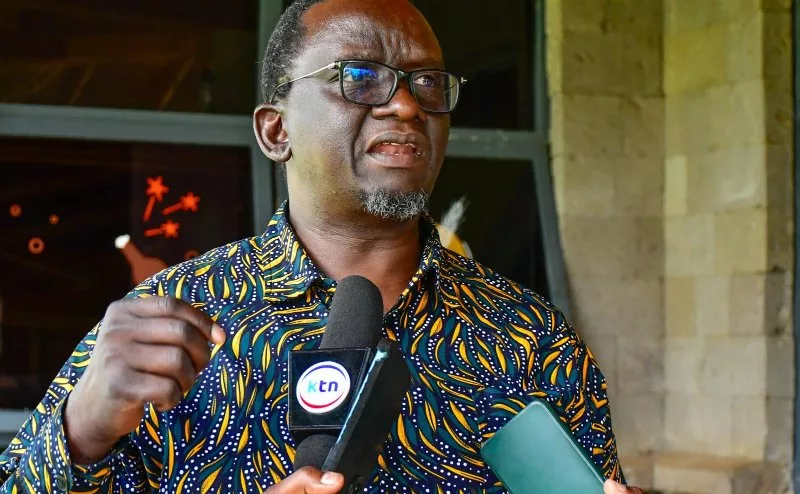
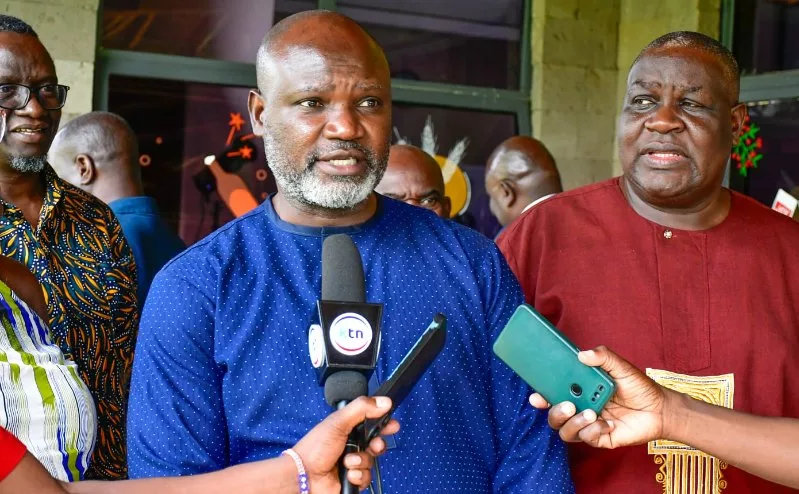
President of the Africa Editors Forum Churchil Otieno said the town hall was the second series organised by TWAK Show, with the latest dialogue focusing on economic opportunities around Lake Victoria and lessons that could be drawn from how the resource has been exploited for the growth and development of the region and its people.
He said the discussions were also intended to draw lessons from past experiences and identify better ways of exploiting the region’s resources while ensuring sustainability.
Otieno said the discussions would seek to create conditions that would enable communities to better exploit resources available in the region.
“We have had the various sectors that potentially could thrive in our region, and we have also heard why perhaps some of them haven't performed to the levels that we expected,” he said.
Otieno added, “Sometimes that means getting faster routes to market. Sometimes that means better ways to add value to some of the natural resources. Sometimes it also means developing relevant talent amongst our people so that they can get jobs and livelihoods in this space".
Otieno said the TWAK initiative would hold eight thematic sessions examining different sectors and identifying the people and institutions required to move the proposals from discussion to implementation.
“Eventually, we will ask ourselves the questions, who do we need to be in which spaces to help us affect this?” he said.
Participants said the region’s economic challenges could no longer be addressed through a business-as-usual approach, while others stressed the importance of political goodwill in ensuring that proposed interventions are implemented.
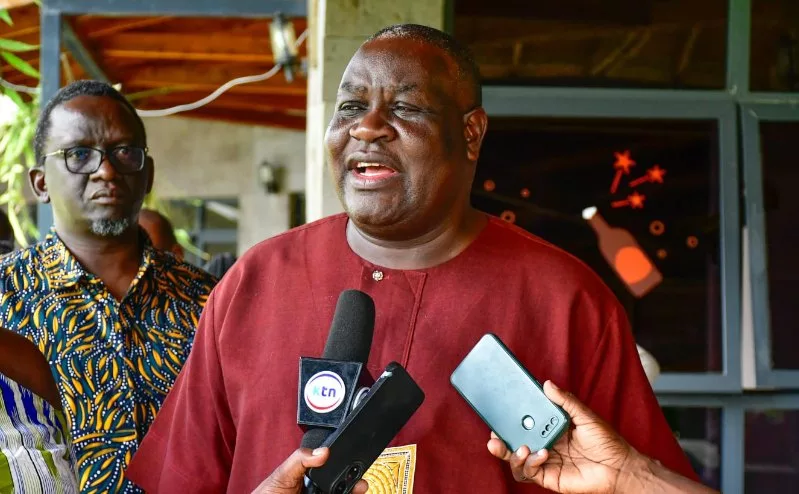
Advocate Joshua Nyamori said the conversation was particularly important as the country considers its long-term development priorities.
He said Nyanza’s position around Lake Victoria presented opportunities that had not been fully exploited and called for stakeholders to examine what had been achieved while identifying new areas for investment.
“These town hall meetings, especially when organised by non-partisan journalists who are experienced and practising, give us an opportunity as a community to talk about the real issues affecting our people,” Nyamori said.
He said the region needed a clear economic vision for the Lake Victoria basin that could feed into the wider national development agenda.
Nyamori also called for political leaders, professionals and private-sector players to make specific commitments and establish mechanisms for tracking their implementation.
He said development should ultimately be judged by whether residents could enjoy their constitutional socio-economic rights, including access to food, healthcare, housing, education and water.
He urged leaders to shift the focus from political contests to the economic and social needs of residents.
Education experts at the meeting said skills development must form part of the region’s economic transformation strategy, particularly as Nyanza seeks to address youth unemployment and prepare young people for emerging opportunities.
Dr Julius Jwan, an education expert and former Principal Secretary, challenged communities to stop treating poor performance in secondary school as the end of a young person’s education journey.
He said students who do not attain university entry grades should be encouraged to pursue technical and vocational education and training.
“We need to appreciate that the idea of learning and failing should not be a way to stop people from enhancing their skills,” Jwan said.
He said young people who leave Form Four with grades such as D-minus or E could still acquire practical skills through technical training institutions and progress from artisan to craft and eventually higher levels of training.
“What we should do as a community is to ensure that after our children leave Form Four, we take them to technical training if they don't qualify to go to university,” he said.
Jwan said changing attitudes towards technical training would help reduce youth idleness while ensuring that young people develop skills that respond to actual economic opportunities.
He also pointed to infrastructure development, including roads and markets, as an important component of economic growth, saying improved connectivity could help traders and producers reach markets.
The dialogue further highlighted the role of women in driving the region’s economy.
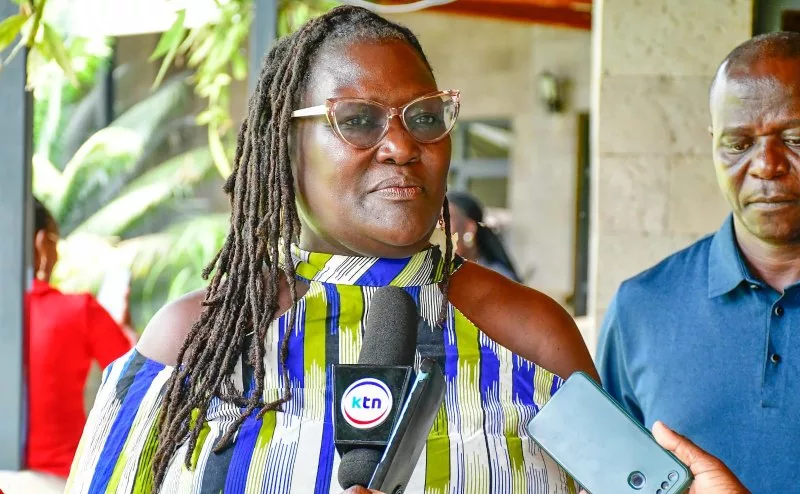
KEFEADO’s Easter Achieng said women should not merely be invited to development forums but should have a meaningful influence on decisions affecting the region.
She said women in the informal sector, trade and education, including those who own schools, were already making significant contributions to the economy.
“Today's town hall meeting is just showing that women are not at the periphery of the conversations that we are having,” Achieng said.
She said future discussions should recognise women not only as political leaders but also as entrepreneurs, workers, investors and contributors to household and regional economies.
The speakers agreed that Nyanza’s economic transformation would require sustained collaboration between communities, government, professionals, investors and the private sector.
They said the region has the resources and talent needed to create a stronger economy but must now focus on value creation, skills, investment, infrastructure and accountability to turn its potential into tangible opportunities for residents.